

Understanding the nuances of aluminum scrap value is essential for anyone involved in the recycling industry, from individual collectors to large-scale industrial operations. As a lightweight, infinitely recyclable metal, aluminum plays a critical role in the circular economy. Whether you are wondering about the current Aluminum Scrap Price In 2026 or trying to optimize your collection process, this guide provides the authoritative insights you need.
The Fundamentals of Aluminum Scrap Grades
Not all aluminum is created equal. To maximize the aluminum scrap value of your inventory, you must understand how recyclers categorize the metal. Purity is the primary driver of price; contamination from paint, plastic, steel, or other alloys significantly devalues a load. In Australia, the most common grades include:
- Aluminum Extrusion (6063): Commonly found in window frames and door tracks. It is highly sought after due to its consistent alloy composition and low impurity levels.
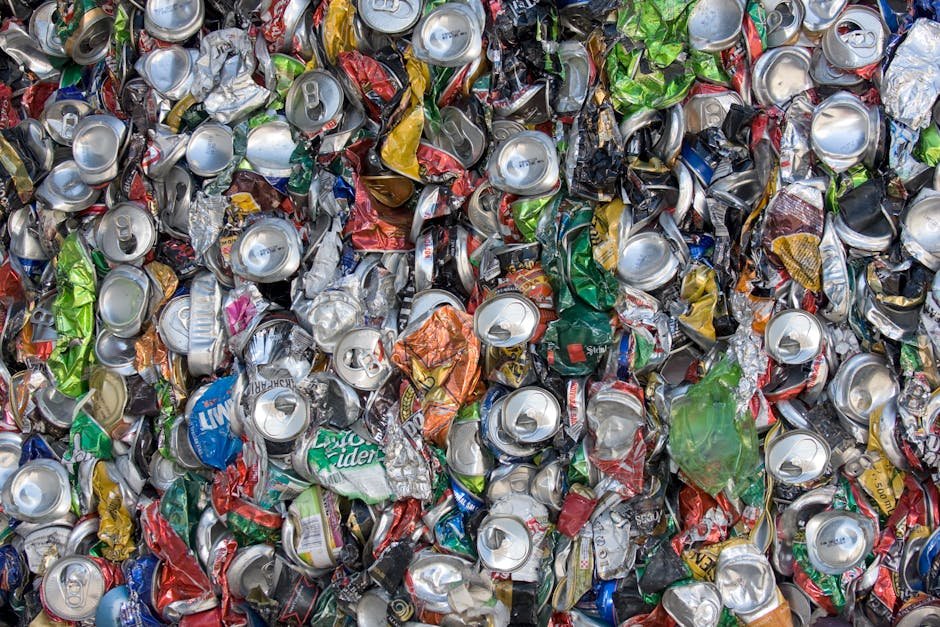
- Used Beverage Cans (UBCs): These are the gold standard for high-volume recycling. Because they are made from a specific, high-quality alloy, they are easily processed into new cans.
- Cast Aluminum: Often found in engine blocks or transmission housings. This grade contains more silicon and is slightly less valuable than clean extrusion.
- Aluminum Turnings and Borings: These are the byproduct of machining processes. Because they have a high surface area, they oxidize quickly and are harder to melt, resulting in lower prices.
- Sheet Aluminum: Includes siding, roofing, and general industrial sheeting. It often contains coatings that must be removed during the smelting process.
By segregating these grades at the source, you ensure that your material reaches the highest possible market valuation. If you are curious about how these prices compare to other metals, you might also want to research the scrap value of steel per kg to diversify your recycling portfolio.
How Aluminum Recycling Works: A Circular Process
The recycling process is a marvel of industrial efficiency. Unlike many other materials that degrade in quality through successive cycles, aluminum can be recycled indefinitely without losing its physical properties. The process begins with collection and sorting, often utilizing advanced technology like X-ray fluorescence (XRF) to identify specific alloy compositions. Once sorted, the scrap is shredded into small pieces to remove coatings and labels. The material is then melted in massive furnaces at temperatures exceeding 700°C. During this stage, fluxing agents are added to remove impurities. The molten metal is then cast into ingots, which are rolled into sheets or extruded into new products. Understanding this process is vital to What Scrap Trade Actually Is in the modern era, where efficiency and purity are the keys to profitability.
The Environmental Benefits of Recycling Aluminum
Beyond the financial incentives, the environmental case for recycling is overwhelming. Producing primary aluminum from bauxite ore is an energy-intensive process that requires vast amounts of electricity and results in significant greenhouse gas emissions. In contrast, recycling aluminum saves approximately 95% of the energy required to produce the same amount of metal from scratch. This energy saving directly translates to a massive reduction in the carbon footprint of the manufacturing sector. By participating in the recycling market, you are not just capturing aluminum scrap value; you are actively contributing to the reduction of landfill waste and the preservation of natural resources. For businesses looking to scale their operations, learning How To Sell Aluminum Scrap In Bulk Internationally allows you to tap into global markets that prioritize sustainable, recycled materials.
Market Drivers and the Aluminum Price
The aluminum price is influenced by a complex web of global factors. These include the London Metal Exchange (LME) benchmarks, currency fluctuations, energy costs, and geopolitical stability. Because Australia is a major exporter of raw materials, local scrap yards are heavily influenced by these international trends. When global demand for construction and automotive manufacturing rises, the demand for high-grade aluminum increases, driving up prices. Conversely, economic downturns can lead to a surplus of scrap and a subsequent price drop. To stay ahead, it is important to monitor the aluminum recycle value regularly. If you are looking for a reliable partner to help navigate these market shifts, our Australian-based scrap trading platform offers the transparency and support you need to maximize your returns.
Practical Tips for Maximizing Scrap Returns
To ensure you are getting the best possible price for your material, follow these professional tips:
- Clean Your Material: Remove as much non-aluminum contamination as possible. A magnet is your best friend; if a magnet sticks, it is likely steel or iron, which will lower your grade.
- Sort by Alloy: Don’t mix your 6063 extrusion with cast aluminum. Keeping grades separate allows recyclers to pay you the premium rate for the cleanest material.
- Store Properly: Keep your scrap under cover if possible. Corrosion and oxidation from rain and humidity can degrade the surface of the aluminum, potentially lowering its grade.
- Build Relationships: Working with a consistent, reputable buyer like the experts at Scrap Trade ensures you get fair pricing and accurate grading every time you deliver a load.
- Volume Matters: While small amounts are accepted, bulk deliveries are more cost-effective for both you and the recycler, often leading to better negotiated rates.
Future Trends in the Aluminum Industry
The future of the aluminum industry is tied to the global transition toward green energy. Aluminum is a key component in electric vehicles (EVs), solar panels, and wind turbines. As the world moves away from fossil fuels, the demand for high-purity recycled aluminum is expected to skyrocket. This shift will likely lead to more sophisticated sorting technologies and a greater emphasis on “closed-loop” recycling, where manufacturers recover their own scrap to feed back into their production lines. For those currently holding aluminum scrap, the long-term outlook is positive. The integration of digital tracking and blockchain in the supply chain will also make it easier to verify the origin and quality of recycled aluminum, further stabilizing the market for high-quality scrap.
Navigating Regulations and Safety
In Australia, the recycling industry is subject to strict environmental and safety regulations. When handling large volumes of scrap, it is important to ensure that your site complies with local waste management laws. This includes proper storage to prevent runoff, fire safety protocols for handling metal dust, and ensuring that no hazardous materials are mixed in with your aluminum. Safety should always be your top priority. Use appropriate personal protective equipment (PPE) such as gloves and steel-toed boots when handling sharp metal sheets or heavy industrial components. By operating responsibly and safely, you protect both the environment and your bottom line, ensuring that your business remains a sustainable part of the Australian recycling ecosystem.
The Role of Technology in Modern Scrap Trading
The days of manual sorting and guessing the grade of a pile of metal are largely behind us. Modern scrap trading platforms are leveraging digital tools to provide real-time pricing updates, logistics coordination, and detailed reporting. By using data-driven insights, sellers can choose the optimal time to sell their scrap, effectively hedging against market volatility. Furthermore, the use of handheld spectrometers allows for near-instant verification of alloy grades, removing the guesswork from the transaction. This technological evolution has made the market more transparent and accessible, allowing even small-scale recyclers to participate in the global trade with confidence. Whether you are dealing with aluminum extrusion or complex industrial alloys, the right digital infrastructure is the key to unlocking the full potential of your scrap inventory.
Frequently Asked Questions
What is the most valuable type of aluminum scrap?
Clean aluminum extrusion (such as window frames) and used beverage cans (UBCs) are generally the most valuable due to their high purity and ease of processing.
Does aluminum scrap value change daily?
Yes, aluminum scrap value fluctuates based on the London Metal Exchange (LME) prices, currency exchange rates, and local supply and demand factors.
How can I tell if my scrap is aluminum or steel?
Use a magnet. Aluminum is non-magnetic, so if the magnet sticks to the metal, it is likely steel or iron, not aluminum.
Why is it important to sort my aluminum scrap?
Sorting your scrap by alloy and removing contaminants like plastic or steel ensures you receive the highest price per kilogram, as recyclers pay more for clean, sorted material.











