
Navigating the nuances of bringoo market value is essential for any professional or commercial entity looking to maximize returns on their metal recycling efforts. In the Australian scrap metal landscape, pricing is rarely static; it is a living, breathing metric that responds to international trade policies, currency fluctuations, and the manufacturing requirements of emerging economies. Understanding these variables allows sellers to time their sales effectively, ensuring that they receive the highest possible compensation for their scrap inventory.
The Mechanics of Scrap Metal Valuation
At its core, the valuation of scrap metal is dictated by the London Metal Exchange (LME) and the COMEX, which provide the global baseline for commodity pricing. However, the ‘bringoo market value’ is specifically adapted to the local Australian context, incorporating logistics, processing costs, and the purity of the material being traded. When you approach a recycling yard, the price you are quoted is a derivative of these global indices adjusted for local supply chain constraints.
For instance, high-purity copper or industrial-grade alloys command premium pricing because they require less energy to refine back into usable raw materials. Conversely, mixed-grade scrap requires intensive labor for sorting and cleaning, which inevitably lowers the net payout. To get a better grasp of how specific metals are valued, you should explore the Brass Per Kg Price Understanding Brass Scrap Value And Market Trends, which highlights how alloy composition impacts the final market rate.
Factors Influencing Market Fluctuations
Several macroeconomic factors exert pressure on the scrap metal market. Currency exchange rates are perhaps the most significant; since most scrap commodities are traded in USD, a fluctuating Australian Dollar can either inflate or deflate the local value of your scrap. Furthermore, industrial demand from major manufacturing hubs in Asia significantly dictates the volume of scrap exported from Australian ports. When global production slows, the demand for recycled feedstock decreases, leading to a softening in prices.
Another critical aspect is the logistical overhead. Transporting heavy, low-density scrap is expensive. Sites that have optimized their collection and processing methods can often command a higher price because they reduce the burden on the buyer. Whether you are managing a large-scale Business Closure Scrap Sale How To Get Top Market Value or simply clearing out a warehouse, understanding these logistical costs is key to negotiation.
Categorizing Metals for Maximum Profit
Not all scrap is created equal. To maximize returns, you must be able to categorize your inventory accurately. Ferrous metals, such as steel and iron, are typically traded in high volumes but at lower price points per kilogram. If you are dealing with large quantities of iron, it is imperative to track the scrap value of iron to ensure your quotes remain competitive. Non-ferrous metals, on the other hand, such as copper, aluminum, and lead, offer significantly higher returns due to their scarcity and infinite recyclability.
For those dealing with specialized industrial waste, the scrap value of carbide is a vital metric, as these materials contain rare earth elements that are highly sought after by cutting-tool manufacturers. Furthermore, common items like beverage containers require a different strategy. You can learn more about optimizing your returns by reading Aluminum Can Prices Todays Market How To Sell Maximize Value.
The Role of Purity and Contamination
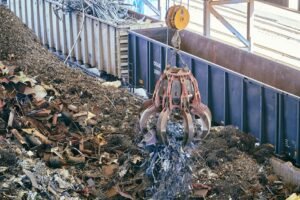
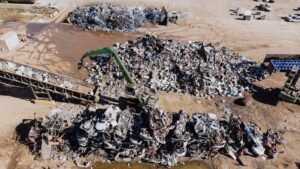
Contamination is the silent killer of scrap value. When a load of high-grade copper is mixed with steel or plastic insulation, the recycler must factor in the cost of removing these impurities. This often results in the entire load being downgraded to a lower price tier. To maintain high value, it is essential to implement strict sorting protocols at the source. Using magnetic separators for ferrous metals and manual stripping for cables can drastically improve the purity of your scrap, thereby increasing your leverage when negotiating the bringoo market value.
Professional scrap traders often use portable XRF analyzers to determine the exact alloy composition of materials on-site. If you are a high-volume producer, investing in basic sorting equipment or partnering with a reputable scrap metal recycling platform can provide the transparency needed to ensure you are paid for the true grade of your material.
Strategic Timing and Market Cycles
The scrap metal market is cyclical. Prices tend to peak when manufacturing activity is high and inventories are lean. Conversely, during holiday periods or economic downturns, demand may dip. Savvy sellers monitor these cycles, holding onto their scrap during low-price periods and releasing it into the market when the indices show an upward trend. While timing the market is never a guarantee, having a long-term strategy is far superior to reactive selling.
For businesses, this means incorporating scrap management into your operational budget. By treating scrap as a revenue stream rather than a waste management cost, you can align your disposal schedule with peak market conditions. For the best local insights, many professionals turn to professional scrap metal trading services in Australia to stay updated on real-time price shifts.
Compliance, Sustainability, and Future Trends
The future of scrap metal is inextricably linked to the circular economy. As Australia moves toward stricter environmental regulations, the demand for recycled metals will only increase. Carbon-intensive primary mining is becoming more expensive, making recycled scrap a more attractive feedstock for green steel and aluminum production. This shift is expected to provide a long-term floor for scrap prices, as the industry moves away from a ‘take-make-waste’ model.
Compliance with environmental standards is also a factor in your bottom line. Recyclers who operate with transparent, ethical, and environmentally sound practices are often preferred by large-scale industrial clients. By ensuring your scrap is processed through certified channels, you not only contribute to a sustainable future but also ensure that your business remains compliant with evolving ESG (Environmental, Social, and Governance) requirements.
Practical Tips for Sellers
- Sort at the Source: Keep different metals in separate bins to avoid contamination fees.
- Clean Your Scrap: Remove non-metallic attachments like rubber, wood, or plastic to boost the grade.
- Build Relationships: Work with a consistent buyer who provides transparent pricing and reliable pickup services.
- Monitor Indices: Keep a close eye on LME data to understand the direction of the market.
- Volume Matters: Aggregate your scrap to reach higher weight thresholds, which often unlock better pricing tiers.
- Safety First: Always follow safe handling procedures, especially when dealing with heavy or sharp industrial scrap.
Conclusion
The bringoo market value is a complex but manageable metric for those willing to invest time in understanding the market. By focusing on purity, efficient sorting, and strategic timing, you can transform your scrap metal from a logistical burden into a reliable revenue stream. Whether you are a small business owner or an industrial plant manager, the principles of market awareness and material quality remain the same. Utilize the resources provided, stay informed on global trends, and leverage professional partnerships to ensure you are getting the maximum value for your scrap metal assets.
Frequently Asked Questions
What is the primary factor affecting scrap metal prices?
The primary factor is the global commodity market, specifically prices set on the London Metal Exchange (LME), which are then adjusted for local supply, demand, and processing costs.
How does purity affect the value of my scrap?
Purity is critical; higher purity levels reduce the energy and labor required for recycling, which allows recyclers to pay a premium price. Contaminated scrap often incurs a penalty or is downgraded to a lower price category.
Should I sell my scrap immediately or wait for better prices?
If you have the storage space, it is often beneficial to monitor market trends and sell when global demand is high. However, for most small-scale sellers, consistent, regular sales are usually the most practical approach.
Why is it important to sort my scrap metal?
Sorting prevents contamination and ensures you are paid the highest possible rate for each specific metal grade. Mixed loads are almost always valued at the price of the lowest-grade metal in the pile.