

Navigating the volatile market for ferrous metals requires a clear understanding of the iron scrap rate today. Whether you are a demolition contractor, a metal fabricator, or an individual looking to clear out a workshop, knowing how the market functions is essential to maximizing your profit. In the Australian context, the price you receive for your materials is rarely static; it is a reflection of complex industrial demand and the purity of the scrap you bring to the yard.
The Fundamentals of Ferrous Scrap and Grading
To understand the iron scrap rate today, one must first distinguish between the various types of ferrous metals. Ferrous scrap contains iron, which makes it magnetic and highly valuable for steel production. The most common types include cast iron, wrought iron, and various grades of mild steel. Cast iron, often found in engine blocks, old pipes, and heavy machinery, is prized for its carbon content, which dictates its specific value in the foundry market. Wrought iron, while rarer in modern construction, is highly sought after for its purity and historical value in architectural salvage.
When you visit a facility like the Australian metal recycling experts, your material is graded based on its chemical composition, density, and freedom from contaminants. Contaminants such as plastic, rubber, or non-ferrous metals like copper or aluminum can significantly lower the value of your load. By sorting your scrap before arrival, you ensure that you receive the highest possible payout. This process of classification is the backbone of the industry, ensuring that mills receive the specific feedstock they need to produce high-quality steel.
Market Dynamics: What Influences Iron Scrap Prices
The iron scrap rate today is not a random figure. It is the result of a global economic equation. Demand from major steel-producing nations, particularly in Asia, acts as a primary driver. When construction booms in emerging economies, the demand for recycled steel spikes, pushing prices upward. Conversely, when domestic manufacturing slows, local yards may see an oversupply, leading to a temporary dip in rates.
For those looking for deeper context on how these fluctuations occur, our guide on Scrap Iron Prices What Affects Rates And How To Get The Best Value Today provides an exhaustive breakdown of the variables involved. Additionally, traders often compare domestic rates with international benchmarks, such as those found in the Scrap Rate India reports, to gauge the broader health of the global commodity market. Understanding these macro trends allows you to time your sales for maximum profitability.
The Recycling Process: From Yard to Steel Mill
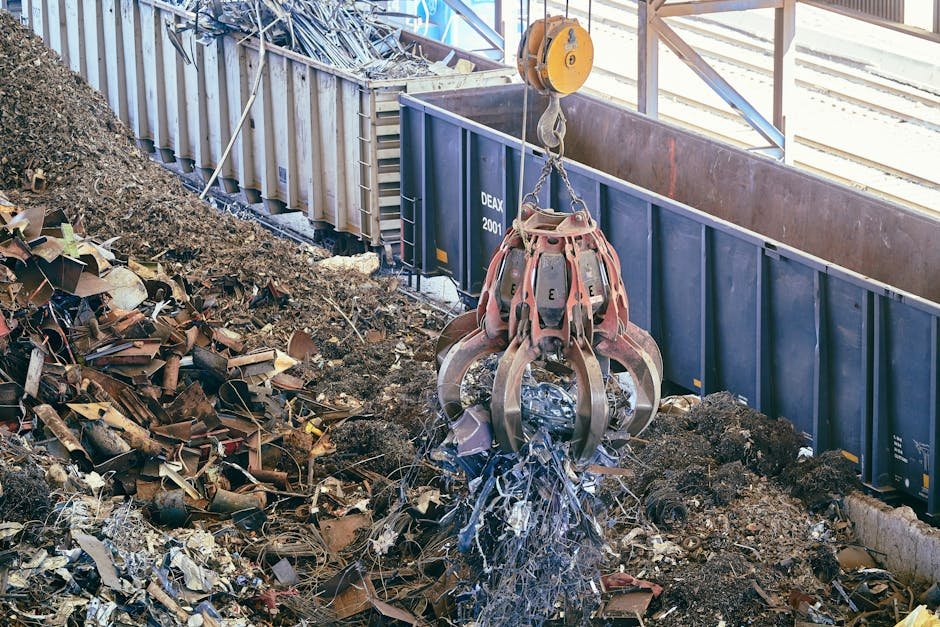
The journey of a piece of scrap metal is a marvel of industrial efficiency. Once scrap is collected at a facility, it undergoes a rigorous processing phase. Large hydraulic shears and shredders reduce bulky items into manageable, uniform pieces. This preparation is critical because steel furnaces require consistent feedstock to maintain temperature and chemical balance. Magnetic separators are then used to pull ferrous materials from the mix, ensuring that the final product is pure enough for high-grade steel manufacturing.
For those interested in the industrial side of the business, joining an Iron Scrap Group can provide invaluable insights into regional processing capabilities and supply chain logistics. By participating in these professional networks, you gain access to real-time data regarding iron scrap prices today, allowing you to make informed decisions about when to hold or sell your inventory. This level of professional engagement is what separates casual sellers from strategic market participants.
Environmental Benefits of Iron Recycling
Beyond the financial incentives, recycling iron is one of the most effective ways to reduce industrial carbon emissions. Extracting iron ore from the earth is an energy-intensive process that involves massive mining operations and significant greenhouse gas emissions. In contrast, using recycled scrap metal requires up to 75% less energy than producing steel from virgin ore. By choosing to recycle, you are directly contributing to the circular economy and preserving natural resources for future generations.
The steel industry is currently undergoing a green transition, with a heavy emphasis on electric arc furnaces (EAFs) that rely almost exclusively on recycled scrap. This shift has made high-quality ferrous scrap more valuable than ever. Keeping track of iron and steel scrap prices helps you understand the growing importance of your role in this sustainable loop. Every ton of scrap you recycle saves over a ton of carbon dioxide emissions, making your contribution to environmental health measurable and significant.
Strategic Tips for Maximizing Your Payout
If you want to get the best return, preparation is key. First, always clean your metal. Removing non-metallic attachments like wood or concrete can turn a load of “mixed scrap” into “prepared steel,” which commands a higher price. Second, store your metal under cover if possible. Rust is a natural process, but heavy oxidation can reduce the weight and quality of the scrap, which may impact your payout at the scales. Third, build a relationship with your local yard. Being a consistent, reliable supplier often grants you access to better pricing tiers.
Furthermore, use digital resources provided by platforms like the global scrap trading hub to stay updated on market shifts. By tracking trends, you can avoid selling during seasonal lulls and capitalize on peak demand periods. Remember, the scrap industry is built on volume and quality; the cleaner and more organized your material, the more the buyer is willing to pay. Always ask for a breakdown of your weight and the grade assigned to your material to ensure transparency.
The Future of Ferrous Metal Trading
As technology advances, the way we trade and recycle metal is evolving. Blockchain technology is beginning to track the provenance of recycled materials, ensuring that steel mills can verify the sustainability of their supply chain. This transparency will likely lead to premium pricing for scrap that can be proven to be ethically and sustainably sourced. For Australian businesses, this represents a unique opportunity to lead the world in high-standard recycling practices.
As we look toward the next decade, the integration of AI in sorting facilities will further increase the purity of recycled metal. This technological leap will reduce waste and increase the efficiency of the entire recycling ecosystem. Staying informed about these developments is essential for anyone involved in the scrap trade. Whether you are a small-scale collector or a large industrial firm, the future of the industry is bright, provided that we continue to prioritize quality, sustainability, and informed market participation.
Conclusion: Taking Action in the Scrap Market
The scrap metal industry is a vital pillar of the global economy, bridging the gap between waste management and industrial production. By understanding the factors that influence the iron scrap rate today, you position yourself to benefit from a market that rewards knowledge and diligence. Remember to keep your materials sorted, stay updated on global price trends, and always prioritize safety when handling heavy metals.
Recycling is more than just a way to make extra money; it is a commitment to a more sustainable future. By participating in this industry, you are helping to reduce the reliance on virgin mining and supporting the growth of a cleaner, more efficient manufacturing sector. Use the resources provided in this guide to navigate the market with confidence, and never hesitate to reach out to professional recyclers to discuss your specific needs. Your scrap is a valuable resource—treat it as such, and the market will reward you accordingly.
Frequently Asked Questions
What is the primary factor that changes the iron scrap rate today?
The primary factor is global industrial demand, particularly from steel mills that require consistent feedstock. Supply chain logistics and the current purity of the scrap also play major roles in daily price fluctuations.
How can I get the best price for my scrap iron?
You can maximize your returns by sorting your metal by grade, removing non-metallic contaminants like plastic or wood, and keeping your scrap clean and dry. Building a relationship with a trusted local yard also helps.
Why is recycling iron better for the environment?
Recycling iron uses significantly less energy compared to extracting and refining virgin iron ore. This process reduces carbon emissions by up to 75% and preserves natural resources.
Does cast iron have a different value than regular steel scrap?
Yes, cast iron is often valued differently due to its unique carbon content and specific uses in foundries. It is usually graded separately from light or heavy mild steel.











