
Navigating scrap metal near me prices can feel like a complex task, as the industry is influenced by a web of global economic factors. Whether you are a tradesperson cleaning up a job site or a homeowner clearing out a garage, understanding the scrap metal near me prices is essential for ensuring you get a fair return on your materials. Because metal is a global commodity, the scrap metal near me prices you see today are a direct reflection of international supply and demand, currency fluctuations, and industrial manufacturing requirements.
How Global Markets Influence Local Scrap Metal Prices
To understand the value of your scrap, you must first recognize that you are participating in a global commodities market. Metal is traded on exchanges like the London Metal Exchange (LME). When you search for Scrap Metal Prices, you are essentially looking at a snapshot of a highly volatile index. The price per tonne for copper, aluminium, or steel shifts constantly based on geopolitical stability, mining output, and the strength of the Australian dollar.
For instance, when the manufacturing sector in China or the United States expands, the demand for raw materials spikes, driving up the price per kg for recyclers. Conversely, an economic slowdown can lead to a surplus of scrap, causing prices to dip. Because local scrap yards must sell their collected material to large-scale refineries and mills, they pass these global fluctuations down to you. This is why checking Current Scrap Metal Prices before you head to the yard is a smart move. By keeping an eye on the market, you can time your sales to coincide with peaks in the cycle, ensuring you get the best possible return for your efforts.
The Role of the Local Scrap Yard in Price Setting
While global markets set the ceiling, your Scrap Metal Prices Near Me are also heavily influenced by local operational costs. A local recycler has to account for transport, processing, labour, and compliance with environmental regulations. When you bring your scrap to a facility, the price they offer is the global market rate minus the costs required to turn your raw scrap into a furnace-ready commodity.
Factors that influence the specific offer you receive include:
- Volume: Larger quantities often command a higher price per kg as they reduce the yard’s logistical overhead.
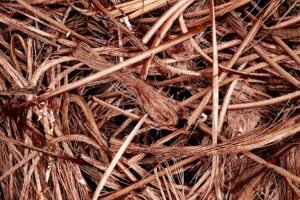
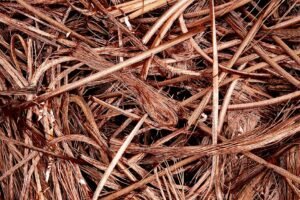
- Purity: Contaminated metal—such as copper wire with plastic insulation still attached—will fetch a lower price than clean, stripped copper.
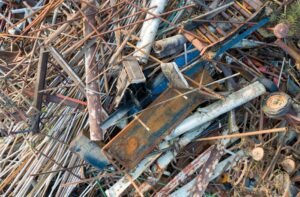
- Sorting: If you arrive with mixed metals, the yard must spend time and labour separating them. If you arrive with pre-sorted materials, you are providing a service that often results in a better payout.
- Location: Proximity to major shipping ports or refineries can reduce transport costs, which may be reflected in more competitive local pricing.
Using a reputable Australian-based scrap metal recycler ensures that you are dealing with a transparent business that adheres to industry standards. These professionals use calibrated scales and provide clear documentation for every transaction, which is crucial for both tax purposes and ensuring you aren’t being short-changed.
Understanding Metal Grades and Their Impact on Value
Not all metal is created equal. In the recycling industry, metals are classified into specific grades, each with its own market value. Understanding these grades is the most effective way to increase your profit. For example, in the world of copper, you have ‘Bright and Shiny’ (Number 1 copper) which is unoxidized, clean wire. This is the gold standard and commands the highest price per kg. Then you have ‘Number 2’ copper, which may have minor oxidation or paint, and ‘Number 3’ (light copper), which includes thinner, lower-grade items.
Similarly, aluminium is graded by its alloy content. Cast aluminium (like engine blocks) is priced differently than extruded aluminium (like window frames or ladder rails). Ferrous metals, such as steel and iron, are generally priced much lower than non-ferrous metals like copper, brass, and stainless steel. When you research scrap metal prices per kg, always ensure you are looking at the correct grade for your specific material. A common mistake is assuming all ‘copper’ pays the same; taking the time to strip insulation off wires or separate brass fittings from steel pipes can significantly increase the total weight value of your load.
The Recycling Process: From Your Bin to the Mill
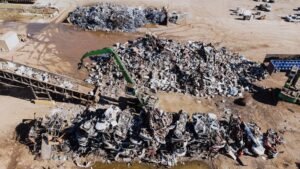
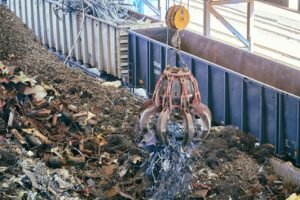
Ever wondered what happens after you drop off your scrap? The recycling lifecycle is a marvel of modern industrial efficiency. Once the material is collected at a nearby recycler, it undergoes a rigorous process of sorting, shredding, and melting. Shredders break large items like appliances and car bodies into small, manageable pieces. Magnetic separators then pull out the ferrous metals, while eddy current separators use electromagnetic fields to eject non-ferrous metals like aluminium and copper.
Once sorted, the metal is baled or compacted to make it efficient for transport. It is then sent to smelters where it is melted down into ingots or billets. These ingots are the raw material for new products, ranging from new car parts and construction beams to beverage cans and electrical wiring. This circular economy is vital for Australia’s sustainability goals. By recycling, we reduce the need for energy-intensive mining and ore processing, which has a massive positive impact on the environment.
Environmental Benefits and Sustainability
The environmental case for scrap metal recycling is undeniable. Mining for virgin metal is one of the most resource-heavy activities on the planet, requiring massive amounts of water, energy, and land excavation. By contrast, recycling aluminium saves approximately 95% of the energy required to produce it from raw bauxite ore. For steel, recycling saves roughly 75% of the energy compared to producing steel from iron ore.
When you take your scrap to a local recycler, you are directly contributing to a reduction in carbon emissions. Furthermore, keeping scrap metal out of landfills prevents heavy metals from leaching into the soil and groundwater. As Australia shifts toward a more circular economy, your participation in the recycling chain is a tangible way to support national sustainability targets. Understanding the scrap metal prices is not just about the money; it is about valuing the finite resources we have already extracted and ensuring they stay in the production loop indefinitely.
Tips for Maximizing Your Payout
If you want to get the most out of your scrap runs, strategy is key. First, keep your metals separated. If you mix your stainless steel with your aluminium, the recycler will likely grade the entire load as the lowest common denominator, or charge a fee for sorting. Use separate bins or bags for different types of metal.
Second, clean your scrap. Remove plastic, rubber, wood, and glass. While it takes time, the increase in the price per tonne for clean, high-grade copper or aluminium is usually well worth the effort. Third, keep track of the market. Sign up for newsletters or check online trading platforms regularly. If you have a large amount of a specific metal, you might wait for a week when the market rate is trending upward before making your delivery.
Finally, build a relationship with your local yard. If you are a consistent supplier who brings in well-sorted, clean material, some yards may be willing to offer you a slightly better rate or provide better service. Always ask for a receipt and ensure the scales are visible so you can verify the weight of your load. Transparency is the hallmark of a professional recycling operation.
The Future of Metal Recycling in Australia
As Australia continues to focus on infrastructure development and urban renewal, the demand for recycled metal will only increase. With the transition to renewable energy technologies—which are heavily reliant on copper and aluminium—the scrap industry is poised to become even more critical to the national economy. Innovations in automated sorting technology, such as X-ray fluorescence (XRF) and AI-driven robotics, are making the recycling process faster and more accurate than ever before.
For the individual seller, this means more efficient yards and potentially more accurate pricing. As we move away from a ‘throwaway’ culture, the value of scrap metal will likely remain a strong incentive for individuals and businesses alike to recycle responsibly. By staying informed about the market and choosing to work with reputable recyclers, you are not only securing a financial benefit but also helping to build a more sustainable future for Australia.
Frequently Asked Questions
To help you navigate the process, we have compiled answers to the most common questions regarding scrap metal recycling and pricing.
Frequently Asked Questions
Why do scrap metal prices change so often?
Scrap metal prices are tied to global commodity markets, which fluctuate daily based on supply, demand, currency rates, and manufacturing activity. Because scrap is a global trade, local prices must adjust to reflect these international shifts.
Is it worth it to strip copper wire?
Yes, stripping copper wire is almost always worth the effort. Clean, bare bright copper fetches a significantly higher price per kg than insulated wire, as the recycler does not have to pay for the labour or machinery to remove the plastic coating.
How can I find the best scrap metal prices in my area?
You can find the best rates by checking our online platform for real-time market data and comparing quotes from reputable scrap yards in your local area. Consistency and high-quality, sorted materials are the best ways to ensure you receive the top market rate.
Do I need identification to sell scrap metal?
In many Australian states, you are required to provide valid photo identification when selling scrap metal. This is a legal requirement designed to prevent the sale of stolen goods and ensure transparency in the recycling industry.