
Navigating the complex world of scrap prices requires a solid understanding of how global economic forces translate into the cash you receive at the weighbridge. Whether you are a tradesperson clearing a site, a manufacturer managing industrial waste, or a household recycler, knowing how to maximize your returns depends on understanding the nuances of the Australian metal market. By staying informed about Scrap Prices, you can time your sales to align with peak market conditions, ensuring you get the best possible value for your materials.
The Mechanics of Global Metal Pricing
At its core, the Australian scrap market is a derivative of the global commodities exchange. Most scrap metals prices are pegged to the London Metal Exchange (LME), which sets the international standard for base metals like copper, aluminium, zinc, and lead. However, the price you see on the LME is for high-purity, refined metal, not the raw scrap found in a backyard or a demolition site.
When you look at Scrap Metal Prices, you are seeing a calculation that subtracts the cost of processing, transport, and refining from the LME spot price. This is why current scrap prices fluctuate daily. Factors like the strength of the Australian Dollar (AUD) against the US Dollar (USD) play a massive role, as most metal trading is conducted in USD. If the AUD is weak, imported goods become more expensive, which can sometimes boost the value of local recycled materials. Conversely, high demand from manufacturing hubs in Asia—particularly China—often drives up the market rate for copper and steel, leading to higher payouts for Australian suppliers.
How Scrap Grades Influence Your Payout
Not all metal is created equal. The industry classifies scrap into specific grades based on chemical composition, contamination levels, and physical size. Understanding these grades is the single most effective way to increase your price per kg.
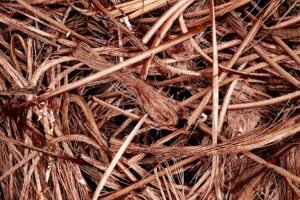
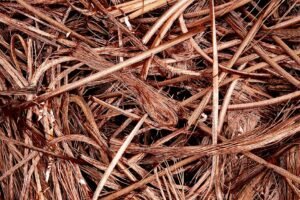
- Copper: This is the gold standard of scrap. Bright shiny copper (Grade 1) fetches the highest price per tonne because it requires minimal processing. Burnt or insulated copper wire, or copper with solder, is classified as a lower grade because the refinery must work harder to remove impurities.
- Aluminium: From clean extrusions to cast aluminium and UBCs (used beverage cans), aluminium is graded by its alloy composition. Clean, non-painted extrusion is worth significantly more than mixed-grade scrap containing plastic or steel attachments.
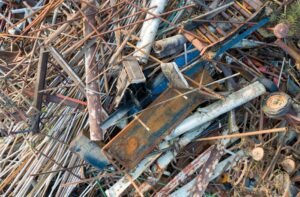
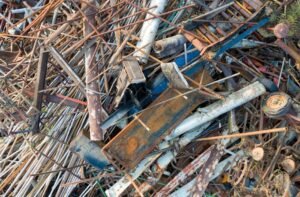
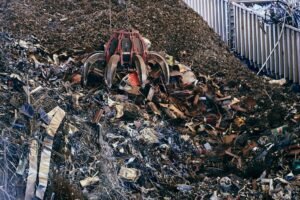
- Steel: While often lower in value compared to non-ferrous metals, steel is traded in high volumes. If you are researching scrap steel prices, you will find that heavy melting steel (HMS) is preferred over light gauge sheet metal because it is easier to melt down in electric arc furnaces.
- Brass and Bronze: These alloys are valued for their copper content. Clean, plumbing-grade brass will always command a better return than mixed scrap containing iron fittings.
Always ensure your scrap is sorted. A load of mixed metal will almost always be valued at the lowest common denominator price. By separating your copper, aluminium, and steel, you ensure that your high-value items are priced at their true market potential.
Factors Affecting Current Metal Prices Today
Why do metal prices today change so frequently? Beyond the LME, several localized factors dictate the final figure you see on your dockets. Firstly, logistics and transport costs are a major component. If you are located in a remote area, the cost of trucking scrap to a processing facility must be factored into the offer. This is why many people search for Scrap Metal Prices Near Me to minimize transport overheads and improve their net profit.
Secondly, supply and demand cycles in the construction and automotive sectors are critical. When building activity is high, the demand for recycled rebar and copper wiring skyrockets, pushing prices up. Conversely, during economic downturns, industrial demand may soften, leading to a surplus of scrap and a subsequent drop in prices. Finally, environmental regulations and energy costs impact the bottom line. Recycling aluminium, for example, uses 95% less energy than producing it from virgin ore. When energy prices rise, the value of recycled metal becomes even more attractive to manufacturers, which can help support higher scrap metals prices even when commodity markets are volatile.
The Lifecycle of Metal: From Scrap to Commodity
The recycling process is a sophisticated industrial operation. Once you drop off your scrap, it undergoes a journey of transformation. First, it is weighed on certified scales to determine the exact price per kg. Then, it is sorted—often using advanced technology like X-ray fluorescence (XRF) analyzers to determine the exact chemical makeup of alloys. Ferrous metals are separated from non-ferrous using powerful magnets and eddy current separators.
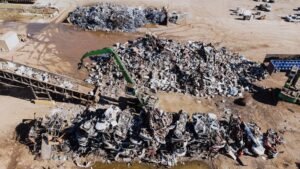
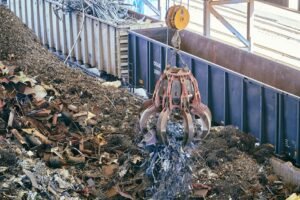
Once sorted, the metal is shredded or sheared to reduce its volume for efficient transport. This processed scrap is then melted down in furnaces, cast into ingots, and sold back to manufacturers to be turned into new products. By participating in this circular economy, you are not just making money; you are reducing the need for destructive mining and lowering the carbon footprint of the global manufacturing industry. You can learn more about these processes by visiting the leading scrap metal trading platform or exploring resources at Australia’s premier recycling hub.
Environmental Benefits and Sustainability
The environmental case for scrap recycling is undeniable. Mining for virgin metal is one of the most energy-intensive and environmentally damaging industries on the planet. By recycling, we save vast amounts of electricity, reduce greenhouse gas emissions, and prevent millions of tonnes of waste from ending up in landfills. For instance, recycling steel saves enough energy to power millions of homes for a year. Every time you bring your scrap to a registered recycler, you are contributing to a more sustainable future. This is why governments and corporations are increasingly prioritizing ‘green’ supply chains, where the use of recycled content is a key performance indicator.
Maximizing Your Returns: Practical Tips
To get the most out of your scrap, treat it like a business. Start by keeping your scrap clean. Remove plastic, wood, and rubber attachments from your metal items. If you have a large volume of scrap, contact the yard in advance to discuss the best time to drop it off. Larger yards often have better equipment and can offer more competitive rates for bulk quantities. Keep track of the market by checking scrap prices regularly. If you see a downward trend, it might be worth holding onto your scrap for a few weeks if you have the storage space. However, if the market is hitting record highs, it is usually best to sell immediately, as commodity prices can be notoriously unpredictable.
Future Trends in the Metal Recycling Industry
The future of the scrap industry is digital. We are seeing a move toward real-time pricing transparency, where apps and platforms allow users to see the market rate in real-time. This shift empowers the individual, removing the ‘black box’ nature of traditional scrap yards. Furthermore, as the world transitions to electric vehicles and renewable energy, the demand for copper and lithium-ion battery recycling is expected to surge. This will create new opportunities for those who understand the value of these materials. Staying ahead of these trends will ensure you remain profitable in an ever-evolving market.
Conclusion: Your Role in the Circular Economy
The scrap metal industry is the backbone of the global manufacturing sector. By understanding the factors that influence scrap prices, you can turn what many consider ‘junk’ into a valuable financial asset. Whether you are dealing with copper, steel, or aluminium, the principles of sorting, timing, and local market awareness remain the keys to success. By utilizing professional platforms, keeping an eye on the price per tonne, and committing to responsible recycling, you are playing a vital role in the transition to a more sustainable, circular economy. Start sorting your materials today and take advantage of the current market opportunities to maximize your returns.
Frequently Asked Questions
What is the best time to sell my scrap metal?
The best time to sell is when global commodity prices are high and the Australian dollar is favourable. It is recommended to monitor market trends for a few weeks before selling to spot a peak in the market rate.
Why does my scrap metal get a lower price than the LME rate?
The LME rate is for pure, refined metal. Scrap yards must deduct costs for collection, sorting, processing, transport, and the energy required to refine the metal back into a usable commodity.
Does it matter if my scrap is dirty or mixed?
Yes, significantly. Mixed or contaminated scrap is much harder to process, which leads to lower offers. Sorting your metals by type and removing non-metal attachments will always result in a higher price per kg.
How can I find the most accurate scrap prices in my area?
You can use online scrap trading platforms or contact local yards directly to ask for their current buy rates. Prices can vary between yards based on their specific equipment and local demand.