
Navigating the complex landscape of scrap steel prices requires a deep understanding of the global commodities market and local Australian industrial dynamics. Whether you are a demolition contractor, a metal fabricator, or a household owner looking to clear out unwanted materials, knowing the value of your scrap is essential for maximizing your returns. In this guide, we will explore the intricacies of the steel recycling industry, the factors that drive daily fluctuations, and how you can optimize your scrap collection efforts for the best possible financial outcome.
The Fundamentals of Scrap Steel Pricing in Australia
To understand the current market, one must first recognize that steel is a global commodity. The steel price per tonne is heavily influenced by the international demand for iron ore and coal, as well as the manufacturing output of major economies like China and the United States. In Australia, scrap yards translate these global figures into local current scrap prices by accounting for transport, processing, and refining costs.
When you look for Scrap Prices, you are essentially looking at a snapshot of a highly volatile market. Factors such as regional demand, the cost of electricity used in electric arc furnaces, and even the price of shipping containers play a role. For those operating in specific regions, it is vital to check localized data, such as scrap steel prices qld, to ensure you are getting a fair valuation based on local logistics. Similarly, if you are located in the capital, searching for scrap steel prices brisbane will provide more accurate expectations than national averages.
The price per kg you receive at the weighbridge is the final output of this complex chain. To stay ahead, many professionals use a professional scrap trading platform to track trends. By understanding that your scrap is not just waste but a raw material for new production, you can better time your sales to match market peaks.
Categorizing Scrap: Grades and Their Impact on Value
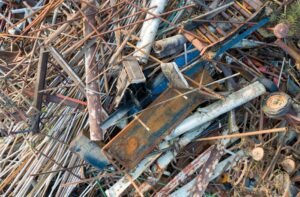
Not all steel is created equal. The value of your scrap is dictated by its grade, which determines how easily it can be melted down and repurposed. As a ferrous metal, steel is magnetic and occupies the largest portion of the recycling market. However, the purity of the alloy significantly impacts the final price per tonne.
- Mild Steel: This is the most common form of scrap. It is low-carbon and highly versatile. Because it is easy to process, it generally fetches a consistent price, though it is usually lower than high-grade alloys.
- Sheet Metal: Often found in roofing, car panels, and ducting, this grade is lightweight and requires significant compacting before it can be efficiently melted.
- Heavy Melting Steel (HMS): This is the gold standard for scrap yards. It consists of thick, structural steel, such as beams, plates, and heavy machinery parts. Because it is dense and relatively free of contaminants, it commands a premium price.
- Turnings and Borings: These are the byproduct of machining processes. Because they are often contaminated with cutting oils and are difficult to handle, they are valued lower than structural steel.
Understanding these grades is crucial. If you mix your high-quality HMS with low-value sheet metal, you may find your entire load is graded at the lower price point. Proper sorting is the easiest way to increase your revenue when visiting a yard for Scrap Metal Prices.
How Global Markets Affect Metal Prices Today
The term metal prices today is a bit of a misnomer, as prices are rarely static. They are subject to the same pressures as any other traded commodity. The primary driver is the ‘spread’—the difference between the cost of raw iron ore and the cost of recycled scrap. When iron ore prices are high, steel mills are more incentivized to use recycled scrap, driving up demand and, consequently, the price you receive.
Furthermore, the manufacturing sector in Australia relies heavily on the export of scrap. When international shipping costs rise, the net price paid to the local supplier often drops to compensate for the higher logistics overhead. This is why it is beneficial to use a tool to find Scrap Metal Prices Near Me, as local yards may have different inventory needs based on their current export contracts or domestic supply agreements.
Environmental regulations also play a significant role. As Australia moves toward a circular economy, there is increasing pressure on manufacturers to use recycled content. This policy shift is creating a long-term upward trend in the demand for high-quality scrap, which is excellent news for those who invest time in proper sorting and collection.
The Mechanics of Steel Recycling: From Yard to Mill
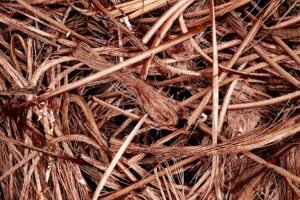
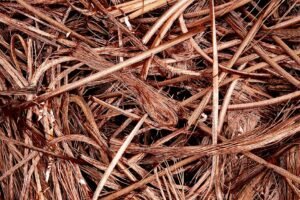
The journey of your scrap metal is a fascinating industrial process. Once it leaves your hands, it undergoes several stages of transformation. First, it is weighed and inspected for contaminants. Non-ferrous metals, such as copper or aluminum, are separated, as they have vastly different melting points and chemical properties than steel.
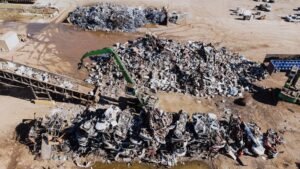
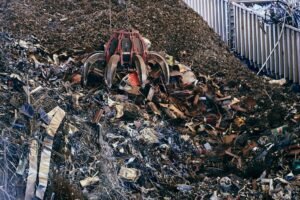
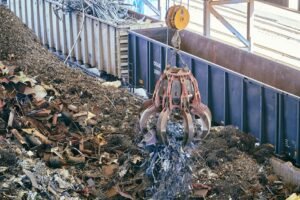
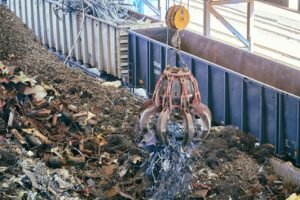
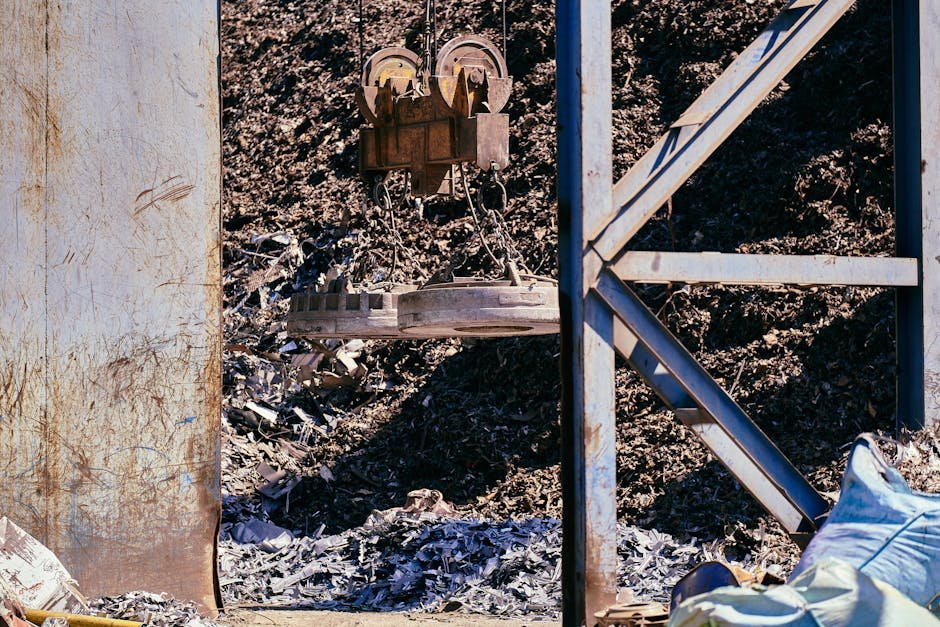
Next, the steel is processed. This may involve shearing (cutting large pieces into smaller, manageable sizes), shredding (using massive hammer mills to break down automobiles or appliances), or baling (compressing loose sheet metal into dense cubes). Shredding is particularly important because it allows for the magnetic separation of steel from plastics, foams, and rubbers.
Once processed, the steel is shipped to a steel mill. Here, it is fed into an Electric Arc Furnace (EAF). Unlike traditional blast furnaces that rely on iron ore and coke, EAFs use high-voltage electricity to melt scrap steel. This process is significantly more energy-efficient and produces a much lower carbon footprint, which is the primary environmental benefit of the industry. You can learn more about these industrial processes by visiting the leading Australian scrap metal resource.
Environmental Benefits and the Circular Economy
Recycling steel is one of the most effective ways to reduce industrial environmental impact. Steel is 100% recyclable and can be melted down indefinitely without losing its structural integrity. Every tonne of recycled steel saves approximately 1.5 tonnes of iron ore, 0.5 tonnes of coal, and significantly reduces water usage.
The energy savings are equally impressive. Producing steel from scrap requires up to 75% less energy than producing it from virgin ore. By participating in the scrap market, you are directly contributing to lower greenhouse gas emissions and a reduction in the need for destructive mining practices. This is a vital component of the global transition to a greener economy, and your role as a supplier of scrap is a key link in that chain.
Practical Tips for Maximizing Your Scrap Returns
If you want to get the best possible price per kg for your steel, preparation is everything. Here are a few professional tips to ensure you are not leaving money on the table:
- Sort by Grade: As mentioned, mixing grades leads to the lowest common denominator pricing. Keep your heavy structural steel separate from light sheet metal.
- Clean Your Load: Remove non-metallic attachments like plastic, wood, or rubber. Yards charge for the labor required to remove these contaminants, which will be deducted from your payout.
- Build Relationships: If you are a regular supplier, talk to your local yard manager. They are often willing to offer better rates to reliable, high-volume, or well-sorted suppliers.
- Monitor Trends: Use online platforms to keep an eye on market trends. If you have the storage space, it can sometimes be profitable to hold onto your scrap if you see a market dip, waiting for a rebound.
- Safety First: Scrap metal can be sharp and heavy. Always wear appropriate PPE, including gloves and steel-capped boots, and ensure your load is safely secured during transport.
By treating your scrap collection as a business rather than a chore, you can significantly improve the financial efficiency of your operations. Always verify the current market conditions before making a large delivery, as scrap steel prices can shift rapidly due to unforeseen global events.
Future Outlook: The Role of Technology in Scrap Trading
The future of the scrap industry is digital. We are seeing a shift toward real-time pricing transparency, where suppliers can view live market data and lock in prices before they even leave their site. This technology reduces the uncertainty that has historically plagued the industry and empowers smaller operators to compete with larger industrial players.
Furthermore, advancements in sensor-based sorting technology are allowing yards to process scrap with greater purity, which in turn allows them to pay higher prices for mixed loads. As we move forward, the integration of AI and blockchain in the supply chain will likely make the entire process of recycling steel more efficient, traceable, and profitable for everyone involved.
The scrap industry is not just about waste management; it is a critical pillar of modern infrastructure. Whether you are dealing with mild steel from a small renovation or heavy structural beams from a major demolition, your contribution to the recycling stream is vital. By staying informed, sorting your materials, and engaging with the right trading partners, you can ensure that you are receiving the best value for your efforts while supporting a sustainable future.
Conclusion: Taking Control of Your Scrap Value
In conclusion, the market for scrap steel prices is a dynamic environment influenced by everything from global iron ore trade to local processing efficiency. By understanding the different grades of steel, the importance of proper sorting, and the environmental impact of your recycling efforts, you can turn what many consider ‘junk’ into a valuable revenue stream. Always prioritize safety, keep your materials clean, and stay connected with local market updates to ensure you are maximizing your returns. As the industry continues to evolve toward greater transparency and efficiency, those who take the time to understand the market will undoubtedly reap the greatest rewards.
Frequently Asked Questions
What is the most valuable type of scrap steel?
The most valuable scrap steel is typically Heavy Melting Steel (HMS). This includes thick, structural steel pieces that are free from contaminants and easy for steel mills to melt in electric arc furnaces.
Why do scrap steel prices change so often?
Prices fluctuate based on global demand for steel, the cost of raw iron ore, shipping logistics, and local supply chain factors. Because steel is a global commodity, it reacts quickly to international economic shifts.
How can I get a better price for my scrap steel?
The best way to increase your returns is to sort your scrap by grade and remove any non-metallic contaminants like plastic, wood, or rubber. Clean, sorted loads are processed faster by yards, which often results in a higher price per kg.
Is it better to sell to a local yard or a large processor?
Local yards are often more convenient and can provide personalized service, while large processors may offer better volume-based pricing. It is recommended to check local rates and compare them before committing to a large load.