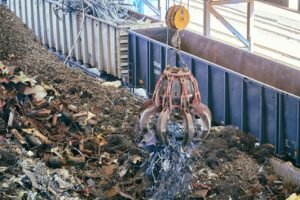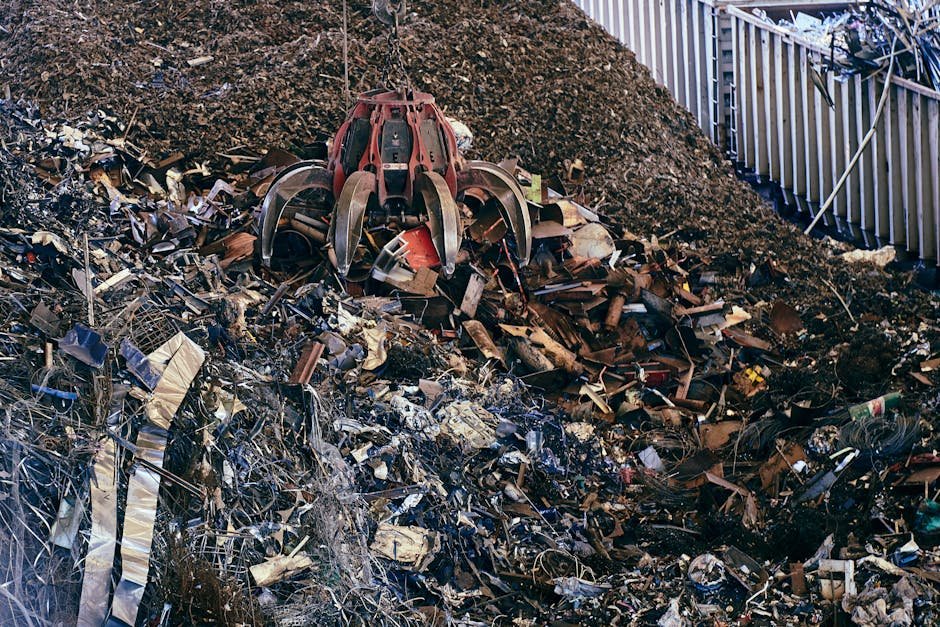

Understanding the intricacies of scrap value is essential for anyone looking to participate in the circular economy, whether you are a demolition contractor, a manufacturing business, or an individual recycler. In Australia, the metal recycling industry is a sophisticated sector that transforms discarded materials into high-value industrial commodities. Before diving into the specifics, it is important to understand What Is Scrap Trade and how it functions as the backbone of sustainable manufacturing. By accurately identifying your materials, you can maximize your returns when you Sell Scrap to professional facilities.
The Fundamentals of Scrap Metal Grading
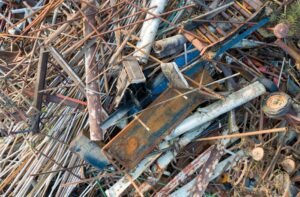
The global metal market classifies materials into two primary categories: ferrous and non-ferrous. Understanding the difference is the first step in determining the scrap value of your collection. Ferrous metals contain iron, making them magnetic and generally more abundant. Common examples include steel, cast iron, and wrought iron. While these are essential for construction, their market price is typically lower per kilogram compared to non-ferrous alternatives.
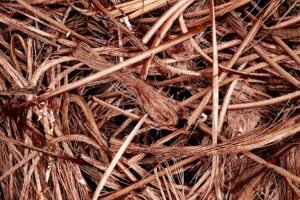
Non-ferrous metals, which include copper, aluminium, brass, stainless steel, and lead, are highly sought after due to their resistance to corrosion and superior conductivity. Because these metals do not degrade during the recycling process, they retain their properties indefinitely, making them incredibly valuable. When you look at scrap prices, you will notice that copper, in particular, commands a premium due to its critical role in electrical infrastructure and renewable energy technology. To get the best out of your Scrap, you must ensure it is clean—meaning it is free from contaminants like plastic insulation, rubber, or excessive rust.
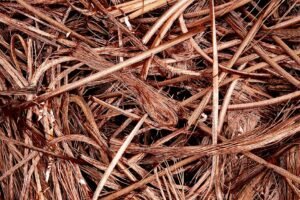
Grading is not just about the metal type; it is about the condition. For instance, ‘Bright and Shiny’ copper wire is worth significantly more than ‘Burnt’ or ‘Insulated’ copper. Similarly, aluminium is graded based on its alloy composition, such as ‘Extrusion’ versus ‘Cast’ aluminium. Professional yards use X-ray fluorescence (XRF) analyzers to determine exact alloy chemistry, ensuring that the scrap value is calculated with precision. If you are unsure about the grade of your material, utilizing professional scrap services can provide the expertise needed to sort and value your assets correctly.
The Lifecycle: How Metal Recycling Works
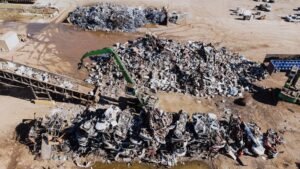
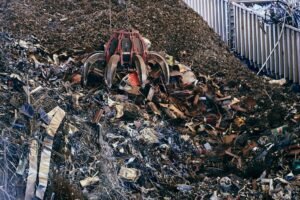
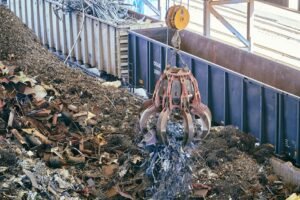
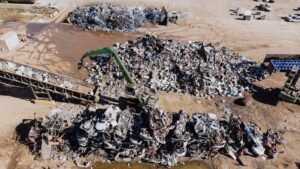
The journey of a piece of scrap metal from a demolition site to a new product is a marvel of industrial engineering. The process begins with collection and transportation. Whether it is a small bin or a large-scale industrial pickup, the material is brought to a processing facility. Here, the material is weighed and inspected for contaminants. This is where the initial sorting happens, often using magnets to separate ferrous from non-ferrous metals.
Once sorted, the metal undergoes shredding. Giant industrial shredders break down large items—like car bodies or structural steel beams—into smaller, manageable pieces. This increases the surface area, which is vital for the next step: purification. During purification, advanced technology such as eddy current separators, air classifiers, and magnetic drums are used to remove non-metallic impurities like plastics, glass, and dirt. This ensures that the final product meets the stringent specifications of steel mills and smelters.
The final stage is melting. The clean, shredded metal is fed into a furnace where it is melted down at extremely high temperatures. The molten metal is then cast into ingots, billets, or slabs, which are then sold back to manufacturers to be rolled into new products. This closed-loop system is why the scrap metal trading platform is so vital; it bridges the gap between waste and raw material production, reducing the reliance on virgin ore mining.
Environmental Benefits and Sustainability
The environmental case for recycling metal is overwhelming. Mining virgin ore is an energy-intensive process that involves massive land disturbance, water contamination, and significant carbon emissions. By recycling, we drastically reduce this footprint. For example, recycling aluminium saves approximately 95% of the energy required to produce the same amount of aluminium from bauxite ore. This energy saving directly correlates to a massive reduction in greenhouse gas emissions.
Furthermore, recycling metal prevents millions of tonnes of waste from entering landfills. In Australia, the commitment to a circular economy is growing, and businesses that prioritize recycling are often viewed as leaders in sustainability. By choosing to recycle, you are not just making a profit; you are conserving natural resources for future generations. The Australian scrap metal industry plays a pivotal role in this, ensuring that materials are kept in circulation rather than being discarded.
Maximizing Your Returns: Practical Tips
To maximize the return on your scrap, preparation is key. First, always strip your cables. While it takes time, removing the plastic insulation from copper wiring significantly increases the grade and, consequently, the price you receive. Second, keep your metals separated. Mixing different grades of aluminium or brass will result in the entire batch being valued at the lowest common denominator. By keeping your materials segregated, you ensure that you are paid the highest possible rate for each specific metal.
Third, keep an eye on the market. Metal prices are volatile and influenced by global events, such as changes in manufacturing demand in Asia or shifts in mining output. By staying informed, you can choose the right time to sell. Finally, build a relationship with a reputable buyer. Consistent, high-quality scrap delivery builds trust, and many yards will offer better rates to regular, reliable suppliers who bring in clean, sorted material.
The Role of Technology in Modern Scrap Trading
The scrap industry has evolved from the traditional ‘junkyard’ image to a high-tech sector. Digital platforms now allow for real-time tracking of prices and logistics. This transparency is crucial for transparency in the supply chain. When you use a digital platform to manage your scrap, you gain access to historical data, allowing you to make informed decisions about when to hold or sell your inventory. This level of professionalization has transformed how businesses interact with the scrap market, making it more efficient and profitable for everyone involved.
Regulatory Compliance and Safety
Operating within the scrap industry requires strict adherence to environmental and safety regulations. In Australia, scrap yards must comply with EPA standards regarding the handling of hazardous materials, such as lead-acid batteries or refrigerant gases. When selling your scrap, ensure that you are working with a licensed facility that prioritizes safe disposal and recycling practices. This not only protects the environment but also mitigates legal risks for your business. Safety is paramount—always wear appropriate PPE when handling scrap metal, as sharp edges and heavy objects present significant hazards.
Economic Impact of the Scrap Industry
The scrap metal industry is a significant contributor to the Australian economy. It provides thousands of jobs, from logistics and collection to high-tech processing and engineering. Furthermore, it supports the manufacturing sector by providing a steady, reliable supply of raw materials at a lower cost than imported virgin materials. By supporting the local scrap trade, you are contributing to a robust, self-sustaining industrial ecosystem that keeps capital within the country and supports local employment.
Future Trends in Metal Recycling
As we look to the future, the demand for recycled metals is only set to increase. The global transition to renewable energy—which relies heavily on copper for wind turbines and solar panels, and lithium and cobalt for battery storage—creates a massive market for recycled materials. ‘Urban mining,’ the process of extracting valuable metals from electronic waste, is becoming increasingly important. As technology advances, our ability to recover precious metals from complex devices will improve, further increasing the value of scrap and making recycling an even more critical component of the global economy.
Conclusion
Navigating the world of scrap metal doesn’t have to be complex. By understanding the grades, the recycling process, and the broader economic and environmental benefits, you can turn your waste into a significant asset. Whether you are a small business or a large industrial operation, the key is to stay informed, keep your materials clean and sorted, and partner with a professional service that understands the value of your contribution. The future of our planet depends on our ability to manage resources effectively, and your participation in the scrap trade is a vital part of that journey.
Related: Sell Scrap
Frequently Asked Questions
What is the most valuable scrap metal to collect?
Copper is generally the most valuable scrap metal due to its high demand in electrical and plumbing industries. Other high-value metals include brass, stainless steel, and specific aluminium alloys.
How do I know if my metal is ferrous or non-ferrous?
The easiest way to tell is by using a magnet. If the magnet sticks to the metal, it is ferrous (contains iron, like steel or iron). If the magnet does not stick, it is non-ferrous (like copper, aluminium, or brass).
Why does the price of scrap metal change so often?
Scrap prices fluctuate based on global commodity markets, industrial demand, and the cost of energy. Because metal is a global commodity, international supply chain issues and mining output directly impact local buy prices.
Do I need to clean my scrap before selling it?
Yes, cleaning your scrap by removing non-metal attachments like plastic, rubber, or wood significantly increases its value. Clean, sorted material is easier for recycling facilities to process and commands a higher price.