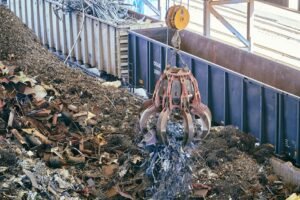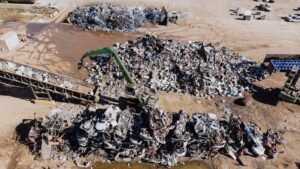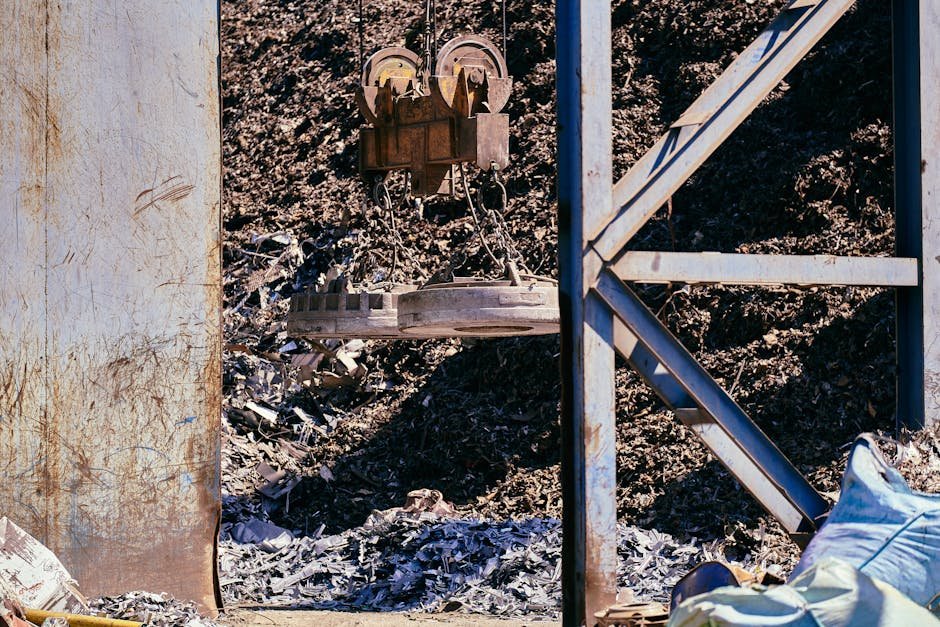

When managing industrial waste or clearing out a workshop, understanding steel scrap metal recycling prices is essential for maximizing your financial return. The scrap metal industry is driven by global supply and demand, meaning that market rates can shift daily. Whether you are a construction contractor or a homeowner, knowing how to navigate these fluctuations is key to getting the best deal for your materials.
Factors Influencing Steel Scrap Metal Recycling Prices
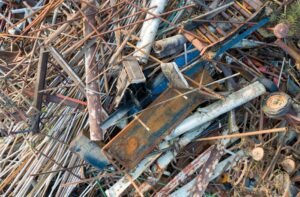
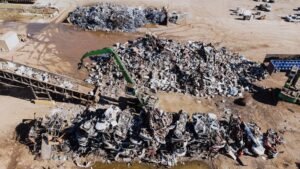
Several variables dictate the current market value of your steel. Primarily, the grade of the steel—whether it is clean structural steel, light gauge sheet metal, or contaminated mixed scrap—plays a massive role. High-quality, clean steel is always more valuable because it requires less processing at the foundry. Furthermore, the distance to the facility and the volume of your load will influence the final payout. If you are looking for local data, checking Scrap Metal Prices can provide a baseline for your expectations.
For those located in specific regions, local competition also impacts local rates. You might find that scrap yard metal prices sydney differ slightly from regional areas due to logistics and transport costs. If you are located in Western Sydney, searching for scrap metal recycling penrith services is a great way to ensure you are working with a reputable facility that offers competitive rates.
How to Maximize Your Returns
To get the most out of your scrap, preparation is everything. Sorting your metals by type and removing non-metallic contaminants like plastic, rubber, or wood will significantly increase your profit. Always ensure you are dealing with a licensed facility. You can find a reliable partner by visiting Scrap Trade or checking their regional portal at scraptrade.com.au for industry-standard practices.
When you are ready to sell, consider these steps:
- Call ahead to confirm current steel scrap metal recycling prices for your specific grade.
- Sort your ferrous metals from non-ferrous metals to avoid downgrading your load.
- Use a reputable local facility; you can search for Scrap Metal Recycling Near Me to find the closest drop-off point.
- Keep track of market trends by regularly checking Scrap Metal Prices Near Me to time your sales during market peaks.
The Environmental and Economic Impact
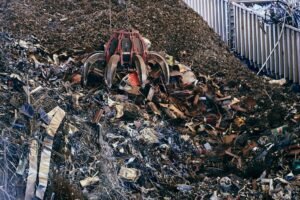
Beyond the financial incentive, recycling steel is a cornerstone of the circular economy. By diverting steel from landfills, we reduce the need for virgin iron ore extraction, which is an energy-intensive and environmentally taxing process. Steel is infinitely recyclable, meaning it can be melted down and repurposed into new beams, sheets, or components without losing its structural integrity. By choosing to recycle, you are supporting a sustainable industrial ecosystem while also clearing valuable space on your property or job site. Always aim to work with professional recyclers who adhere to strict environmental standards to ensure your scrap is processed safely and efficiently.
Frequently Asked Questions
What factors cause steel scrap metal recycling prices to change?
Prices are primarily driven by global commodity markets, the purity of the steel grade, and local logistics costs. High demand for new steel production typically pushes prices upward, while high transport costs can lower the net payout.
How can I get the best price for my scrap steel?
To get the best price, ensure your steel is clean and free of non-metallic contaminants like plastic or wood. Sorting your scrap by grade before arriving at the yard will also prevent you from receiving a lower, mixed-scrap rate.
Is there a difference in price between structural steel and sheet metal?
Yes, heavy structural steel is generally more valuable than light gauge sheet metal. This is because structural steel is easier to process and has a higher yield during the melting and recycling stage.
Why should I choose a licensed scrap metal recycler?
Licensed recyclers ensure that your waste is handled according to environmental regulations and safety standards. They also provide accurate weighing and transparent pricing, ensuring you are paid fairly for the exact tonnage you deliver.