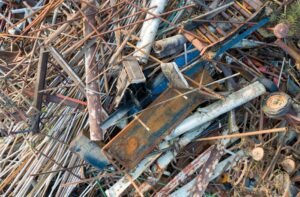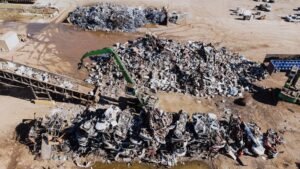

Understanding the cost of scrap is the first step for any individual or business looking to participate in the circular economy. Whether you are clearing out a shed or managing industrial waste, knowing the value of your materials is essential. The scrap metal cost fluctuates daily based on the London Metal Exchange (LME) and local market conditions in Australia. By learning how to identify and sort your metals, you can maximize your returns while contributing to a more sustainable future.
The Fundamentals of the Scrap Metal Industry
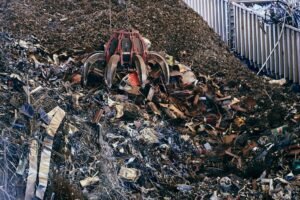
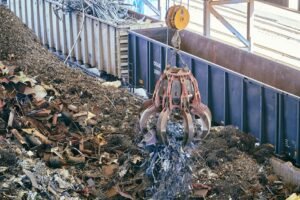
To navigate the market effectively, one must first understand What Is Scrap Trade. At its core, the scrap trade is the systematic collection, processing, and re-melting of discarded metal products to create new raw materials. This industry serves as a critical backbone for the Australian manufacturing sector, reducing the need for virgin ore extraction. When you decide to Sell Scrap, you are participating in a global supply chain that turns end-of-life products into valuable commodities.
The industry operates on transparency and grading. Metals are categorized into ferrous (containing iron) and non-ferrous (all other metals). Ferrous metals, such as steel and iron, are typically magnetic and found in large quantities, while non-ferrous metals like copper, aluminium, and lead are rarer and command higher prices per kilogram. Understanding these distinctions is vital when evaluating the cost of scrap lead or other high-value materials.
Categorizing and Grading Your Metal
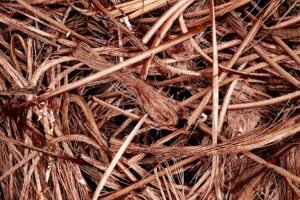
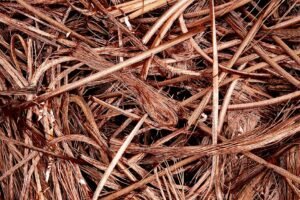
Grading is the process of classifying metal based on its chemical composition, cleanliness, and size. A scrap yard will inspect your material to determine its grade, as this directly influences the final payout. For instance, copper is graded as ‘bright and shiny’ (bare, clean wire) or ‘number two’ (containing insulation or impurities). The cleaner the material, the higher the price you will receive.
Common grades include:
- Copper: Categorized by purity levels, with clean, unalloyed copper fetching the highest rates.
- Aluminium: Sorted into extrusions, cast, or sheet. Clean extrusions are highly sought after by manufacturers.
- Brass: Often found in plumbing fixtures, brass is a valuable alloy of copper and zinc.
- Lead: Used in batteries and roofing, lead requires careful handling due to its toxicity.
- Steel: Divided into heavy melt, light gauge, and stainless steel.
By sorting your Scrap before arriving at the yard, you save the processor time and ensure you are paid for the highest grade possible. Contamination, such as plastic, wood, or dirt, can downgrade your load, significantly reducing your profit.
How the Recycling Process Works
The journey from a discarded item to a new product is a sophisticated industrial process. Once materials arrive at the facility, they undergo a rigorous sequence of steps. First, the material is weighed on certified scales to establish a baseline. Next, it is sorted using advanced technology, including magnetic separators for ferrous metals and eddy current separators for non-ferrous materials. X-ray fluorescence (XRF) analyzers are often used to determine the exact alloy composition.
After sorting, the metal is shredded or sheared into smaller pieces to increase its density and make it easier to handle. This material is then melted in furnaces at high temperatures. The molten metal is purified to remove impurities and then cast into ingots or billets. These ingots are sold to manufacturers who turn them into everything from new car parts to structural beams. This efficient cycle demonstrates why recycling is a pillar of modern industrial sustainability.
Environmental Benefits of Metal Recycling
The environmental impact of recycling is profound. Mining virgin ore is an energy-intensive process that involves massive land disruption, water consumption, and carbon emissions. By contrast, recycling metals requires a fraction of the energy. For example, recycling aluminium uses approximately 95% less energy than producing it from bauxite ore. This massive energy saving translates into a significant reduction in greenhouse gas emissions.
Beyond energy savings, metal recycling prevents valuable materials from ending up in landfills, where they can leach harmful chemicals into the soil and groundwater. By keeping metals in the loop, we conserve natural resources and reduce the need for destructive mining practices. Choosing to work with a reputable Australian scrap metal recycling platform ensures that your materials are processed in compliance with strict environmental regulations.
Market Factors Influencing Prices
Several factors beyond simple supply and demand influence the daily market. Currency fluctuations, particularly the strength of the Australian Dollar against the US Dollar, play a major role, as most metal commodities are traded in USD. Additionally, geopolitical stability in major mining regions can cause price spikes. Shipping costs and logistical constraints also impact the final price paid at the gate.
For those looking to stay informed, checking the official scrap trade portal regularly is recommended. Monitoring these trends allows you to time your sales for when market conditions are most favourable. It is also important to note that industrial quantities often command better rates than small, residential loads due to economies of scale.
Practical Tips for Maximizing Returns
To get the best value, preparation is key. Here are some expert tips:
- Clean your metal: Remove non-metal attachments like rubber gaskets, plastic casings, or wooden handles.
- Sort by type: Keep copper, aluminium, and steel in separate containers. Mixing them can lead to a ‘mixed scrap’ price, which is significantly lower.
- Know your quantity: Larger, consistent loads are more attractive to scrap yards and may qualify for better pricing tiers.
- Build relationships: If you are a regular supplier, talk to the yard manager about long-term pricing agreements.
- Prioritize safety: Always wear gloves and eye protection when handling scrap. Be especially cautious with heavy items and sharp edges.
The Future of the Scrap Industry
The scrap industry is rapidly evolving with the integration of AI-driven sorting technologies and blockchain-based supply chain tracking. These advancements are making the industry more transparent and efficient. As Australia pushes toward a net-zero future, the role of scrap metal in providing a sustainable source of raw materials will only grow in importance. By participating in this industry, you are not just making money; you are supporting a vital component of the global green transition.
Conclusion
Navigating the world of scrap metal requires a blend of market awareness, proper preparation, and a commitment to sustainable practices. Whether you are a homeowner clearing out a garage or a contractor managing large-scale industrial demolition, the principles remain the same: sort your materials, understand the grades, and stay informed about market conditions. By leveraging the resources available at your local scrap trading hub, you can ensure that your contribution to the recycling economy is both profitable and environmentally responsible.
Frequently Asked Questions
What is the most valuable scrap metal to collect?
Copper is generally the most valuable scrap metal due to its high demand in electrical and plumbing industries. Other high-value metals include brass, stainless steel, and aluminium.
Does cleaning my scrap metal really increase the price?
Yes, cleaning your scrap by removing impurities like plastic, wood, or dirt ensures it is classified as a higher grade. Higher grades are always priced significantly better than mixed or contaminated loads.
How often do scrap metal prices change?
Scrap metal prices can change daily, or even hourly, depending on global commodity market fluctuations and the strength of the Australian Dollar. It is best to check current market rates immediately before you plan to sell.
Is it safe to recycle old batteries?
Lead-acid batteries contain hazardous materials and must be handled with extreme care. Always take them to a specialized recycling facility that is equipped to process toxic components safely.