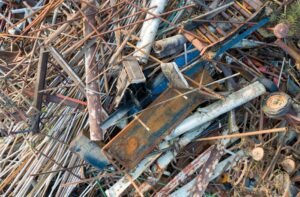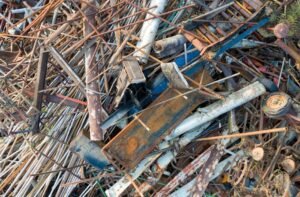

Understanding the scrap value of iron is essential for anyone looking to participate in the circular economy, whether you are a demolition contractor, a small business owner, or an industrial manufacturer. Iron is the backbone of the global infrastructure, and its recycling process is one of the most efficient industrial cycles in existence. Because iron is a ferrous metal, it is highly magnetic and relatively easy to sort, which makes it a staple in the Iron Scrap Group of commodities. As you navigate the complexities of metal recycling, it is helpful to understand What Is Scrap Trade and how your local contributions impact the broader market.
The Economics of Ferrous Scrap in Australia
In the Australian market, the scrap value of iron is rarely quoted as a simple iron price per kg for retail consumers because iron is traded in bulk volumes. Instead, pricing is dictated by the international demand for steel manufacturing, shipping costs, and the specific grade of the material. When we discuss the scrap value of iron, we are looking at a commodity that is infinitely recyclable without losing its physical properties. This is a core pillar of What Scrap Trade Actually Is, where the focus shifts from waste management to resource recovery. Australia’s position as a major exporter of iron ore means that the domestic scrap market is heavily influenced by the health of the steel industries in Asia. When global demand for new steel rises, the demand for recycled iron scrap follows suit, driving up prices for scrap yards and, eventually, for the suppliers who bring in high-quality materials.
Identifying Grades: Cast Iron vs. Wrought Iron
Not all iron is created equal. To maximize the value of your scrap, you must understand the difference between various grades. Cast iron is brittle, high in carbon, and commonly found in old machinery, engine blocks, and heavy-duty cookware. It is prized in foundries for its ability to be melted and recast into complex shapes. Conversely, wrought iron is much purer, malleable, and fibrous, often found in historical architectural elements like gates or railings. While wrought iron is rarer today, it is highly sought after by collectors and specialized recyclers. Distinguishing between these grades is a skill that separates amateur scrappers from professionals. If you are dealing with other non-ferrous metals, you might also want to research the current bronze scrap value or the aluminum scrap value to ensure you are sorting your loads correctly. Proper segregation is the single most effective way to increase your returns at the weighbridge.
The Mechanics of Iron Recycling
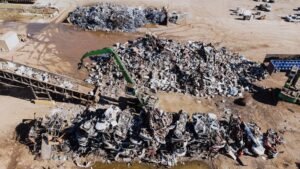
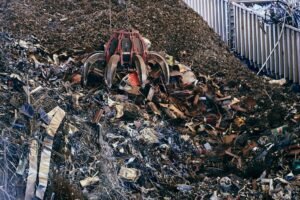
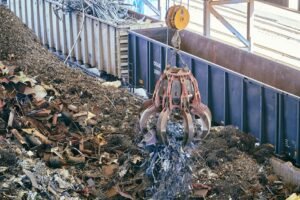
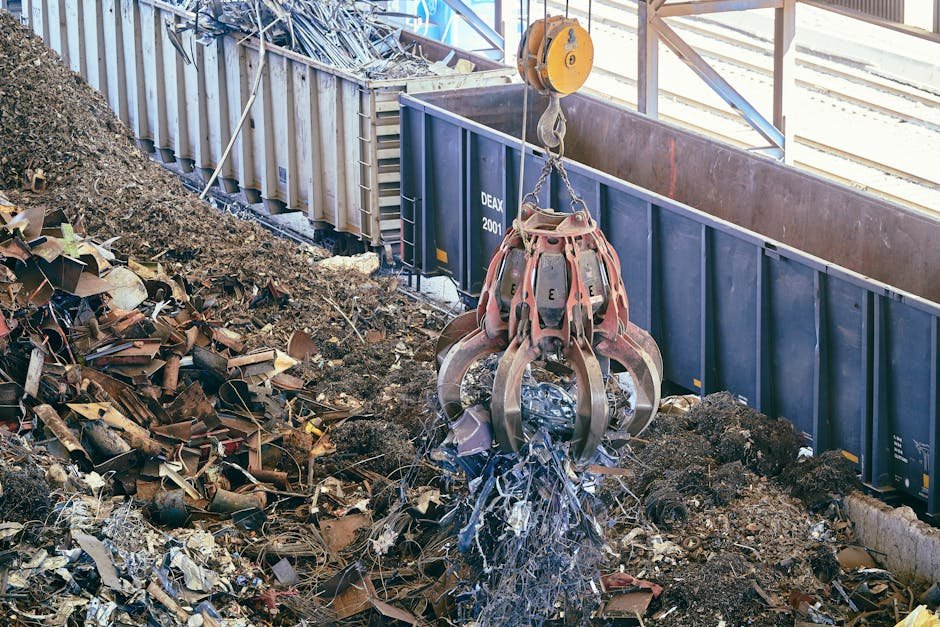
The recycling process for iron is a sophisticated industrial operation. Once collected, ferrous scrap is processed through several stages. First, it is shredded or sheared into manageable pieces. Shredding is particularly effective because it allows powerful magnets to separate the iron from non-metallic contaminants like plastic, rubber, or glass. Once the iron is isolated, it is compressed into dense bales. These bales are then transported to electric arc furnaces or blast furnaces. In the furnace, the scrap is melted down and refined into high-quality steel billets. This process consumes significantly less energy than producing steel from virgin iron ore. By using recycled scrap, manufacturers reduce their carbon footprint, lower their reliance on mining, and preserve natural landscapes. For those interested in the professional side of this industry, our scrap trading platform provides the tools needed to connect with global buyers and sellers.
Environmental Benefits and Sustainability
The environmental impact of recycling iron is profound. Every tonne of recycled steel saves approximately 1.5 tonnes of iron ore, 0.5 tonnes of coal, and 40% of the water typically used in steel production. Furthermore, recycling reduces greenhouse gas emissions by up to 86% compared to primary production. In the context of Australia’s commitment to net-zero goals, the role of scrap metal recyclers has never been more critical. By keeping iron out of landfills, we prevent the leaching of heavy metals into the soil and groundwater. This is why the industry is often referred to as an “urban mine.” We are effectively harvesting the resources that past generations have already extracted and processed. Engaging with a reputable Australian scrap metal recycling network ensures that your materials are handled according to the highest environmental standards, contributing to a truly sustainable future.
Logistics and Market Volatility
One of the biggest challenges for those selling scrap is the inherent volatility of the market. Because iron is a global commodity, its price is subject to geopolitical tensions, currency fluctuations, and shifts in industrial policy. For instance, a change in import tariffs in a major steel-producing country can cause an immediate ripple effect in local scrap yards. To mitigate the risks associated with price swings, large-scale suppliers often utilize hedging strategies or long-term supply contracts. For smaller operators, the best strategy is to maintain a steady flow of material and understand the seasonal trends. Typically, prices are higher when industrial production is at its peak and lower during holiday periods or times of economic contraction. Staying informed through industry reports and maintaining relationships with multiple buyers can help you navigate these fluctuations effectively.
Practical Tips for Maximizing Scrap Returns
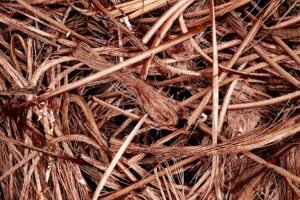
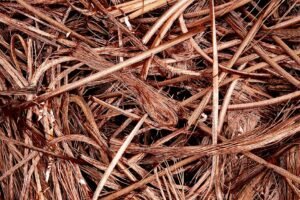
If you want to get the best return for your scrap, preparation is key. First, keep your ferrous and non-ferrous metals strictly separated. Even a small amount of copper or aluminum mixed into a load of iron can lead to it being downgraded to a lower price tier. Second, ensure your scrap is free of contaminants. Remove wood, concrete, or excessive dirt. While some surface rust is expected, heavy corrosion can sometimes be a point of contention. Third, consider the volume. Many scrap yards offer better rates for larger, consistent loads. If you are a demolition contractor, sorting your scrap on-site before it reaches the yard will save you time and money. Finally, keep an eye on the local iron price per kg trends to understand when the market is peaking. While you cannot control the global market, you can control the quality and volume of the material you bring to the table.
The Future of Iron Recycling
As technology advances, the iron recycling industry is becoming increasingly automated. AI-powered optical sorters are now being used to identify specific alloys and contaminants with high precision, far exceeding the capabilities of manual sorting. Additionally, the move toward green hydrogen in steel production is set to revolutionize the industry. By using hydrogen instead of coal to reduce iron ore, the steel industry will become even more dependent on high-quality scrap to balance the chemistry of the melt. This shift will likely increase the demand for high-purity scrap, making the role of the diligent recycler even more valuable. We are moving toward a future where every piece of iron, from a rusty nail to an old bridge, is viewed as a critical raw material rather than waste. This evolution is the ultimate goal of the scrap trade, and it is a journey that every participant in the industry is contributing to today.
Conclusion: Your Role in the Loop
The scrap value of iron is more than just a number on a spreadsheet; it is an indicator of the health of our industrial economy and the success of our environmental initiatives. Whether you are a large-scale industrial recycler or someone clearing out a shed, your participation in the recycling loop matters. By understanding the grades, managing your logistics, and staying informed about market trends, you can ensure that you are getting the most out of your scrap while supporting a sustainable future for Australia. As you continue your journey, remember that the industry is constantly evolving, and staying connected with professional networks is the best way to keep your operations profitable and efficient. Start sorting, start saving, and contribute to the circular economy today.
Frequently Asked Questions
Frequently Asked Questions
Why is iron scrap priced differently than non-ferrous metals?
Iron is a ferrous metal produced and recycled in massive industrial quantities, leading to pricing based on tonnage. In contrast, non-ferrous metals like copper and aluminum are rarer and more expensive to extract, resulting in higher price points per kilogram.
Does rust affect the scrap value of iron?
Surface rust is generally acceptable for ferrous scrap, as it is expected in most industrial applications. However, excessive corrosion that significantly reduces the weight or structural integrity of the metal may lead to a lower grade classification at the yard.
How can I find the current iron price per kg in my area?
Local prices fluctuate daily based on global market conditions and regional demand. It is best to contact your local scrap metal facility directly or check their online portals for the most accurate and current pricing for your specific volume.
Is it worth separating cast iron from other steel scrap?
Yes, separating cast iron is highly recommended because it is a distinct, high-value grade of ferrous metal. Foundries often pay a premium for clean, sorted cast iron compared to general mixed steel scrap.