
When we discuss the lifecycle of vehicles, the term zara scrap ( automobile scrap) emerges as a critical component of the circular economy. Automotive recycling is not merely about disposing of old cars; it is a sophisticated industrial process that recovers high-value materials. Understanding the nuances of this sector is essential for anyone interested in the broader What Is Scrap Trade landscape. As vehicles reach the end of their functional life, they transition from transportation assets into valuable raw material streams.
The Anatomy of Zara Scrap (Automobile Scrap)
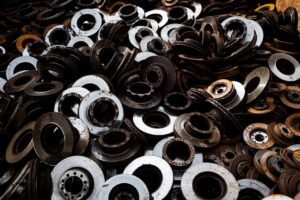
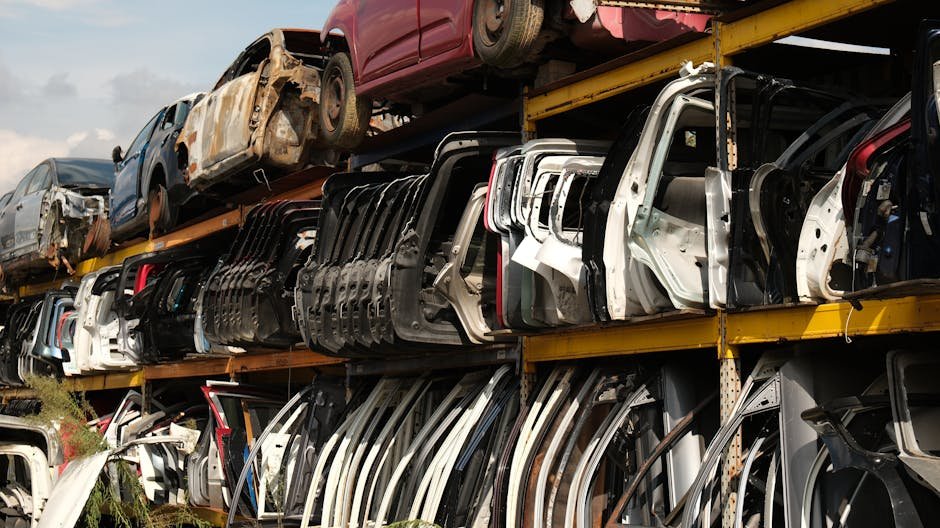
Automobiles are complex machines composed of diverse materials, making them a primary source for high-quality secondary metals. The process of managing zara scrap ( automobile scrap) begins with the systematic depollution of the vehicle. This includes the removal of hazardous fluids, such as engine oil, transmission fluid, coolant, and brake fluid, which must be handled according to strict environmental regulations. Once the vehicle is depolluted, it is stripped of its high-value components, including catalytic converters, batteries, and electronic control units.
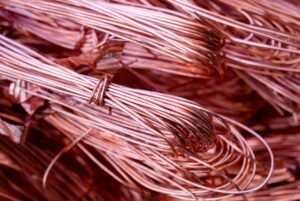
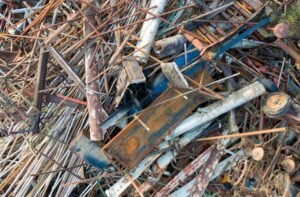
Understanding What Scrap Trade Actually Is requires a deep dive into how these components are categorized. In the Australian context, automotive scrap is typically graded based on the purity and type of metal. Steel makes up the bulk of the vehicle weight, often categorized as HMS (Heavy Melting Steel) or shredded scrap. Aluminium, found in engine blocks, wheels, and body panels, is another high-value stream. Copper, extracted from the extensive wiring harnesses, remains one of the most sought-after commodities in the global market.
The Recycling Process: From Car to Commodity
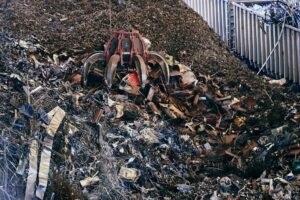
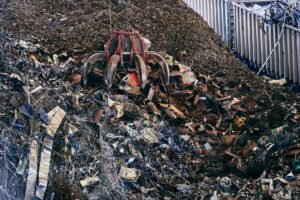
The transformation of an end-of-life vehicle into industrial feedstock is a multi-stage engineering feat. After the initial stripping, the remaining car hulk is sent to a shredder. This massive industrial machine reduces the vehicle into fist-sized chunks of metal, plastic, and glass. Following the shredding process, magnetic separators pull the ferrous metals from the mix. Non-ferrous metals, such as aluminium, copper, and zinc, are then recovered using advanced eddy current separators and sensor-based sorting technologies.
For those looking to engage with the industry, it is helpful to explore resources provided by a professional Australian scrap metal recycling marketplace. This platform connects sellers with reputable processors, ensuring that materials are handled efficiently. The recovery of non-metallic components is equally important. While metals are the primary focus, the industry is increasingly focused on the recovery of Plastic Scrap, which is often found in bumpers, dashboards, and interior trims. As technology advances, the efficiency of these recovery systems continues to improve, minimizing the amount of material that ends up in landfills.
Grades of Automotive Scrap and Market Valuation
The valuation of automobile scrap is highly dependent on the quality and grade of the recovered metal. Market participants often refer to specific grades to ensure transparency in trading. For instance, you might encounter references to scrap metal dalmore or scrap metal dewhurst, which represent localized collection or processing standards that influence logistics and pricing. Understanding these regional variations is key to maximizing the value of your scrap assets.
Ferrous grades are generally classified by thickness and chemical composition. Clean, heavy steel is valued higher than light, rusted sheet metal. Non-ferrous metals are graded by purity levels. For example, ‘clean aluminium’ (free of iron attachments) commands a premium price compared to ‘dirty aluminium’ (which contains steel bolts or plastic components). By understanding these distinctions, collectors and scrap yards can better optimize their sorting processes to achieve higher margins.
Environmental Benefits of Automobile Recycling
The environmental case for recycling automotive scrap is overwhelming. Every tonne of steel recycled from scrap saves approximately 1,100 kilograms of iron ore, 630 kilograms of coal, and 55 kilograms of limestone. This reduction in primary extraction significantly lowers carbon emissions, as the energy required to melt recycled metal is a fraction of the energy needed to produce virgin metal from ore.
Beyond energy savings, automotive recycling prevents hazardous materials from leaching into the soil and groundwater. Modern recycling facilities in Australia operate under strict environmental licenses, ensuring that lead-acid batteries, mercury switches, and CFCs from air conditioning systems are captured and neutralized. By choosing to recycle rather than abandon vehicles, we contribute to a sustainable industrial ecosystem that protects our natural landscapes and reduces the reliance on environmentally invasive mining practices. You can learn more about these sustainable practices by visiting the leading scrap metal trading platform.
Logistics and the Supply Chain
The logistics of moving scrap metal are just as important as the recycling process itself. Because scrap metal is heavy and bulky, transport costs can quickly erode profit margins. Efficient supply chain management involves the strategic placement of collection hubs and the use of specialized transport equipment, such as hook-lift trucks and high-capacity balers. For smaller operators, partnering with larger, established facilities is often the most viable path to market.
The Australian market is characterized by a mix of small-scale scrap yards and large-scale shredding operations. The integration of digital platforms has revolutionized this supply chain, allowing for real-time tracking of scrap movements and price transparency. This digitalization ensures that the scrap trade is no longer an opaque industry but a modern, data-driven sector that provides essential services to the automotive and manufacturing industries.
Future Trends in Automotive Scrap
As the automotive industry shifts toward electric vehicles (EVs), the scrap trade must adapt. EVs contain significant amounts of lithium, cobalt, and nickel in their battery packs—materials that require entirely different recycling technologies than traditional internal combustion engine vehicles. The rise of the EV sector presents both a challenge and a massive opportunity for the scrap industry to innovate in the field of battery recycling.
Furthermore, the increased use of lightweight materials like carbon fiber and advanced composites in modern vehicle design will necessitate new sorting technologies. The industry is already investing in AI-driven robotic sorting and hyperspectral imaging to identify and separate these complex materials. Staying informed about these technological shifts is essential for any professional involved in the scrap trade, as the ability to process these new materials will determine the long-term viability of recycling operations.
Practical Tips for Scrap Metal Sellers
If you are looking to sell automobile scrap, preparation is the key to profitability. First, ensure that you have the necessary documentation, such as proof of ownership and vehicle deregistration papers. Second, perform basic sorting before arriving at the yard. Separating copper wiring, aluminium wheels, and lead-acid batteries from the steel chassis can significantly increase your payout. Avoid mixing different grades of scrap, as this often results in the entire load being downgraded to the lowest common denominator price.
Additionally, build relationships with local recycling centers. Consistent suppliers are often treated better and may receive preferential pricing or faster service. Keep an eye on global metal market trends, as prices for commodities like steel and copper fluctuate based on international demand, particularly from major manufacturing hubs. By staying proactive and organized, you can transform the way you interact with the scrap market and ensure that your efforts are both environmentally responsible and financially rewarding.
Conclusion: The Path Forward
The recycling of automotive scrap is a cornerstone of a sustainable future. By turning end-of-life vehicles into valuable raw materials, we reduce the environmental footprint of the automotive industry and support the global transition toward a circular economy. Whether you are a professional in the trade or an individual looking to dispose of a vehicle responsibly, understanding the grades, processes, and market dynamics is essential. As the industry continues to evolve, embracing new technologies and sustainable practices will be the key to success. For those committed to excellence in this field, the resources available through modern trading platforms provide the tools necessary to navigate this complex and vital industry effectively.
Frequently Asked Questions
What is the most valuable part of an automobile for scrap?
While steel makes up the bulk of a vehicle’s weight, the most valuable components per kilogram are typically the catalytic converter (due to precious metals like platinum and rhodium), copper wiring harnesses, and aluminium engine components.
How does the scrap trade contribute to environmental sustainability?
Recycling scrap metal significantly reduces the need for energy-intensive mining and smelting of virgin ores. It also ensures that hazardous materials like oils, coolants, and battery acids are safely contained and processed rather than leaking into the environment.
Why is it important to separate different metals before selling them?
Scrap yards pay based on the purity of the material. Mixing different metals, such as steel and aluminium, results in a ‘contaminated’ load, which is usually valued at the lowest grade price, significantly reducing your potential earnings.
Are electric vehicles (EVs) harder to recycle than standard cars?
EVs present new challenges due to their high-voltage lithium-ion battery packs, which require specialized handling and recycling processes to safely recover valuable minerals like cobalt, lithium, and nickel.