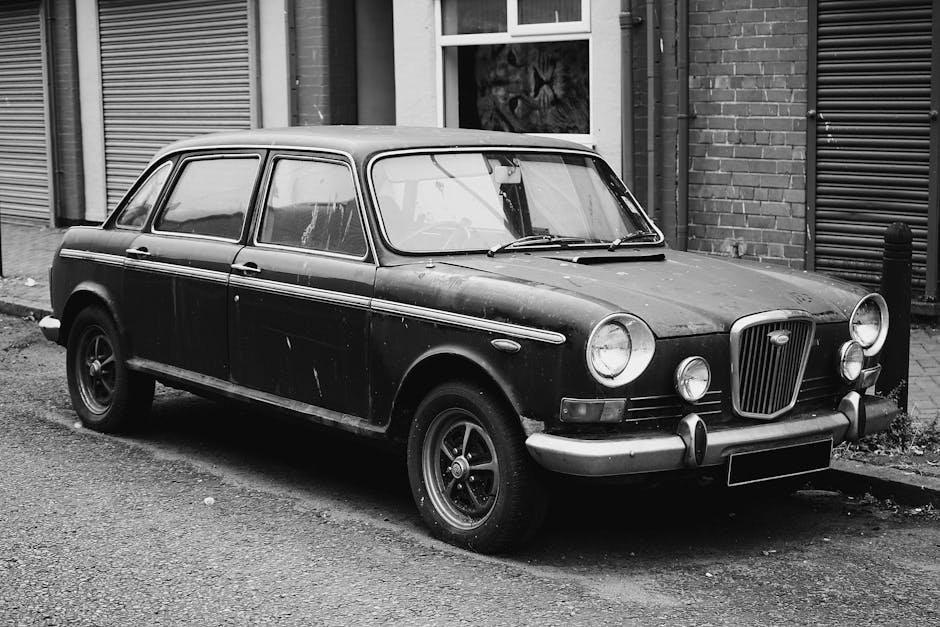

When you are searching for unwanted car removal Liverpool, you are taking the first step toward clearing your property and contributing to a sustainable circular economy. Dealing with an end-of-life vehicle (ELV) can be a logistical headache, but understanding the local market in Liverpool allows you to turn that rust-bucket into cash while ensuring the vehicle is handled according to Australian environmental standards.
Understanding the Lifecycle of Your Scrap Vehicle
The journey of an end of life vehicle (ELV) begins long before it reaches the crusher. In the Liverpool region, professional car wreckers operate as the primary hubs for vehicle recycling. When a car is no longer roadworthy, it enters a specialized ecosystem where every component is assessed for its secondary market potential. This process is not merely about destruction; it is about resource recovery. By choosing a professional service for your unwanted car removal Liverpool needs, you ensure that hazardous fluids—such as oil, coolant, and battery acid—are extracted and disposed of safely, preventing soil contamination.
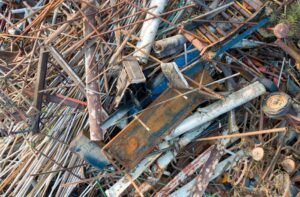
Vehicle recycling is a sophisticated industry. Once the car arrives at the facility, technicians drain the fluids, remove the battery, and dismantle the vehicle. The remaining shell is then shredded, separated into ferrous and non-ferrous metals, and sent to smelters to be reborn as new steel or aluminum products. This is why it is vital to work with certified recyclers rather than unlicensed operators. If you are looking for guidance on the broader aspects of scrap management, our Scrap Metal Removal How To Dispose Sell And Maximize Value guide provides a comprehensive overview of how to handle various metal types effectively.
Maximizing Value: Parts vs. Whole Vehicle
Many vehicle owners assume that selling a car for scrap is a one-size-fits-all transaction. However, depending on the make, model, and condition of your vehicle, you may be able to extract more value by understanding the market for auto parts. Some vehicles contain high-demand components that are worth significantly more than their weight in scrap metal. Before committing to a removal service, it is worth reading our Sell Car Scrap For Parts Vs Whole Value Comparison 2026 Guide to determine if your vehicle holds hidden value.
Furthermore, specific components like engines often command a premium. If you have a vehicle with a high-quality aluminum engine block, you are sitting on a valuable commodity. For those interested in the specifics of processing these heavy components, our Sell Aluminum Engine Scrap Car Truck Engines 2026 Guide details how to prepare these parts for sale. Whether you are dealing with a sedan, a 4WD, or a commercial truck, the metal composition dictates the price. Always ask your local Liverpool buyer about the current market rates for aluminum and copper wiring, as these fluctuate based on global demand.
The Logistics of Free Car Removal in Liverpool
One of the most common questions we receive is whether free car removal liverpool is actually free. The answer is generally yes, provided the vehicle has enough intrinsic value to cover the cost of the tow truck and the labor involved. In Liverpool, competition among wreckers is high, which benefits the consumer. Many companies offer complimentary pickup services because they recoup their costs through the resale of spare parts and the recycling of the metal chassis.
When you contact a service for unwanted car removal liverpool, be prepared to provide details such as the vehicle’s make, model, year, and its current location. Accessibility is key; if the car is parked in a tight garage or on soft ground, inform the company beforehand so they can bring the appropriate equipment, such as a tilt-tray truck or a crane. For those in the immediate area needing a direct connection to vetted services, our liverpool unwanted car removal directory is an excellent starting point. Additionally, if you are looking for urgent pickup, our free car removal liverpool page connects you with local operators who can often provide same-day or next-day service.
Environmental Responsibility and Legal Compliance
In Australia, the disposal of end-of-life vehicles is governed by strict environmental regulations. It is not legal to simply dump a vehicle in a field or leave it to rust on public land. By using a professional recycling service, you are fulfilling your duty of care. These facilities are equipped with oil-water separators, specialized battery storage, and emissions-controlled crushing machinery. This is where the leading Australian scrap metal marketplace comes into play, helping you find reputable buyers who adhere to these high standards.
When you engage with a recycler, ensure you receive a receipt or a certificate of destruction. This document is your proof that the vehicle has been legally processed and that you are no longer liable for any issues related to that vehicle. It is a critical step for your peace of mind. For more information on how to navigate the scrap industry safely, you can always visit Scrap Trade for the latest industry updates and best practices.
Preparing Your Vehicle for Pickup
Efficiency is the key to a smooth transaction. To prepare for the arrival of the tow truck, remove all personal belongings from the vehicle. Check the glove box, under the seats, and the boot. Often, people leave important documents or spare keys behind. You should also ensure that the vehicle is easily accessible. If the car is missing tires, let the service provider know, as they may need to bring a winch or specialized dollies to move it.
Documentation is equally important. In most cases, you will need to provide proof of ownership. This might be your driver’s license and the vehicle’s registration papers. If the car is registered, you should also consider canceling your registration and insurance once the vehicle is removed. This prevents any potential liability issues down the road. By being organized, you make the job easier for the recovery team, which can sometimes lead to a faster payout or a more seamless removal process.
The Future of Vehicle Recycling in Australia
The industry is rapidly evolving. We are seeing a shift toward more advanced material recovery, where rare earth metals from electric vehicle batteries and high-tech sensors are being recovered with greater precision. As Australia moves toward a more circular economy, the role of the local wrecker is becoming more technical. We are no longer just talking about steel and iron; we are talking about complex electronics and advanced polymers.
By participating in the recycling system, you are helping to reduce the need for mining raw materials. Every ton of recycled steel saves a significant amount of energy compared to producing new steel from iron ore. Your decision to properly recycle your unwanted vehicle is a direct contribution to national sustainability goals. Whether you are in Liverpool or elsewhere, the impact of your choice ripples through the entire supply chain, supporting jobs in the local recycling sector and reducing the environmental footprint of the automotive industry.
Why Choose Professional Over Informal Disposal
It is tempting to look for the easiest way out, but informal disposal methods often carry hidden risks. Unlicensed scrap collectors may not have the facilities to process hazardous materials, leading to illegal dumping or environmental damage. When you choose a professional, you are paying (or trading) for the assurance that the vehicle is handled correctly. This includes the responsible disposal of CFCs from air conditioning units, the recycling of lead-acid batteries, and the safe handling of airbags, which can be dangerous if not deactivated by a professional.
Furthermore, professional services are insured. If an accident occurs during the towing process, you are protected. Informal operators rarely carry the necessary liability insurance, leaving you potentially exposed if property damage occurs during the removal. Always prioritize safety and legality when clearing your unwanted vehicle. It is a small investment of time to vet your provider, but it pays off in security and peace of mind.
Comprehensive Checklist for Vehicle Sellers
To summarize, here is a quick checklist for your vehicle removal process:
- Verify the Buyer: Ensure they are a licensed business with a physical presence in the Liverpool area.
- Gather Documents: Have your ID and ownership papers ready for the driver.
- Clear Personal Items: Double-check the vehicle for any missed belongings.
- Cancel Registration: Notify the relevant transport authority once the car is gone.
- Confirm the Price: Get a firm quote before the tow truck arrives to avoid surprises.
- Get a Receipt: Always obtain proof of transfer or a receipt for the transaction.
By following these steps, you ensure that your experience is professional, profitable, and environmentally sound. The scrap metal industry is a vital part of our economy, and by engaging with it responsibly, you are doing your part for the community and the environment.
Frequently Asked Questions
Is unwanted car removal in Liverpool always free?
Most reputable wreckers offer free removal if the vehicle still contains valuable components or scrap metal. However, if the car is stripped of all parts or requires specialized recovery, some fees may apply.
Do I need to be present during the car removal?
It is highly recommended that you are present to sign the necessary paperwork and receive payment. If you cannot be there, you must make prior arrangements with the removal company to ensure the vehicle is accessible and keys are available.
What happens to my car after it is removed?
The car is taken to a recycling facility where hazardous fluids are drained, parts are salvaged for resale, and the remaining metal is crushed and shredded for recycling into new steel products.
Do I need to cancel my vehicle registration?
Yes, once your vehicle is sold for scrap or removed, you should contact the state transport authority to cancel your registration. This protects you from future liability and may entitle you to a pro-rata refund on your registration fees.