Navigating the landscape of waste copper recyclers requires a deep understanding of market grades, processing standards, and the logistical options available to both industrial contractors and individual recyclers. As Australia shifts toward a circular economy, the role of professional scrap metal facilities has never been more critical. Whether you are managing demolition debris or clearing out an old workshop, knowing how to categorize your materials can significantly impact your bottom line.
Understanding Copper Grades: Maximizing Your Return
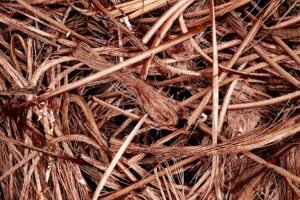
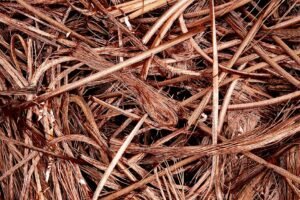
To get the best value from your scrap, you must understand how recyclers classify material. The copper price per kg is heavily dependent on the purity and condition of the metal. The industry standard categorizes copper into several grades, with the most valuable being ‘Bare Bright’—uncoated, unalloyed copper wire that is free of oxidation. This is the gold standard for Scrap Copper collectors.
Next, we encounter ‘Number 2 Copper,’ which typically includes copper pipe that has been soldered, contains fittings, or shows signs of oxidation. While it commands a lower price than bare bright, it remains a highly sought-after commodity. Understanding these distinctions is the first step in maximizing the return on your recycling efforts. If you are looking for current market data, you can check Scrap Copper Prices Near Me to ensure you are receiving a fair market rate for your specific grade of material.
The processing of these materials is a sophisticated operation. Once the material reaches a professional recycling centre, it is sorted, stripped of insulation (in the case of copper wire), and baled for smelting. This process is essential for maintaining the integrity of the copper, which can be recycled infinitely without losing its physical properties.
The Copper Recycling Process: From Scrap to Resource
The journey of copper from a construction site to a new product is a marvel of modern engineering. When you deliver your materials to reputable waste copper recyclers, the facility initiates a rigorous sorting process. High-tech equipment, including X-ray fluorescence (XRF) analyzers, is often used to determine the exact chemical composition of the scrap. This ensures that contaminants like lead, brass, or plastic insulation do not compromise the quality of the final melt.
For those dealing with complex cabling or industrial infrastructure, the E Waste Group provides specialized solutions to ensure that even the most difficult-to-process copper components are handled according to environmental regulations. Once the copper is cleaned and sorted, it is processed through industrial shredders and granulators. The resulting ‘copper chop’ is then melted in furnaces to create pure copper ingots, which are sold back to manufacturers to create new wiring, plumbing, and electronics.
This closed-loop system is the backbone of sustainable manufacturing in Australia. By choosing to recycle rather than discard, you are participating in a global effort to reduce the carbon footprint associated with primary copper mining, which is an energy-intensive and environmentally taxing process.
Drop-Off vs. Pickup: Choosing the Right Logistics
Deciding between a drop off at a facility or arranging a professional pickup depends on the volume and nature of your scrap. For smaller quantities, a direct drop off is usually the most cost-effective method. If you are in the Sydney region, you might consider visiting specialized facilities like copper recyclers artarmon, which are well-equipped to handle high-frequency, smaller-batch deliveries.
For larger industrial projects, however, the logistics change. Professional artarmon copper recyclers often offer bin services and scheduled pickups, allowing your team to focus on the job at hand without worrying about the transport of heavy scrap. When selecting a service, consider the proximity of the recycler, the availability of weighbridge services, and their ability to provide instant payment or documented environmental reporting. For comprehensive trading solutions, you can visit the Scrap Trade portal to find verified partners.
Regardless of the method, ensure your scrap is organized before the recycler arrives. Keeping different grades separated—for instance, keeping clean copper pipe away from insulated wire—will save time and prevent your high-value materials from being downgraded to a lower price tier.
The Environmental Impact of Waste Copper Recyclers
The environmental argument for recycling copper is undeniable. Mining virgin copper ore requires massive amounts of energy and leads to significant habitat destruction and water contamination. By utilizing waste copper recyclers, we effectively ‘mine’ our existing urban infrastructure. Recycled copper uses up to 85% less energy than producing copper from virgin ore.
Furthermore, recycling copper helps manage the growing challenge of industrial waste. As Australia continues to modernize its grid and infrastructure, the turnover of old cabling and plumbing is increasing. Professional recycling ensures that these materials do not end up in landfills, where they could leach harmful substances into the soil. For more insights on how to manage industrial materials sustainably, you can explore resources at Scrap Trade Australia.
The long-term sustainability of the copper industry depends on our ability to recover as much material as possible. Every kilogram of copper that is recycled is a kilogram that does not need to be extracted from the earth, preserving our natural landscapes for future generations.
Best Practices for Scrap Preparation
Preparation is the secret to success in the scrap metal industry. If you want to maximize your returns, follow these expert tips:
- Strip your wire: While it takes time, removing the plastic insulation from copper wire significantly increases its grade and value.
- Clean your pipe: Remove as much solder, paint, and non-metal fittings as possible.
- Sort by grade: Never mix your bare bright with number 2 copper. Mixing grades often results in the entire batch being valued at the lowest grade.
- Keep it dry: Moisture and oxidation can lower the value of your scrap. Store your copper in a covered, dry area until you are ready to transport it.
- Document your weights: Keep your own records of the weight of your scrap before heading to the facility to ensure the scale reading matches your expectations.
By following these simple steps, you position yourself as a professional supplier, which often leads to better long-term relationships with your chosen recycling facility and more consistent pricing.
The Future of Copper Recycling in Australia
The future of the industry is bright, with new technologies emerging to handle complex alloys and mixed-material waste. As demand for copper in electric vehicles and renewable energy infrastructure skyrockets, the value of recycled copper will only continue to rise. We are seeing a shift toward automated sorting facilities that use artificial intelligence to identify and separate metals with unprecedented accuracy.
For businesses, this means that the scrap they generate today is an increasingly valuable asset. Partnering with forward-thinking recyclers who invest in this technology is essential for any company that generates significant amounts of scrap. By staying informed on market trends and maintaining high standards for your scrap collection, you can turn a waste management challenge into a reliable revenue stream.
Ultimately, the circular economy is about more than just money—it is about responsible stewardship of our planet’s limited resources. By engaging with local recycling infrastructure, you are contributing to a more resilient, sustainable, and profitable future for the entire Australian economy.
Conclusion: Taking Action Today
Recycling copper is a simple yet powerful way to contribute to environmental sustainability while capturing significant financial value. Whether you are an individual with a small amount of scrap or a large corporation managing site demolition, the steps you take to sort and process your materials matter. By understanding the grading system, choosing the right logistics, and partnering with reputable recyclers, you ensure that your waste is transformed into a valuable resource.
The resources provided here, including the links to industry-specific information, are designed to help you navigate the scrap market with confidence. Remember that the market for copper is dynamic; keep an eye on prices and maintain clean, well-sorted materials to ensure you get the best possible outcome. Start your journey toward smarter recycling today by identifying the best local facility for your needs and ensuring your scrap is ready for the next stage of its life cycle.
Frequently Asked Questions
What is the difference between bare bright and number 2 copper?
Bare bright copper is pure, unalloyed, and unoxidized copper wire, making it the highest-value grade. Number 2 copper includes copper pipe or wire that has been soldered, contains fittings, or shows signs of oxidation, resulting in a lower market value.
How can I get the best price for my copper scrap?
The best way to maximize your return is to strip insulation from wires, remove non-metal attachments from pipes, and keep different grades of copper strictly separated. Always check current market prices before you visit a recycling facility.
Is it better to drop off scrap or have it picked up?
Drop-offs are generally better for smaller quantities to avoid transport fees. For large-scale industrial or demolition projects, professional pickup services are more efficient and often include specialized bin services.
Why is recycling copper better for the environment?
Recycling copper uses up to 85% less energy than mining and refining virgin ore. It also prevents waste from entering landfills and reduces the environmental destruction associated with large-scale mining operations.