
When it comes to waste copper recycling Seven Hills, both residential renovators and industrial contractors have a significant opportunity to turn discarded metal into a lucrative revenue stream. As the industrial heart of Western Sydney, Seven Hills serves as a critical hub for the collection and processing of high-value non-ferrous metals. Understanding the nuances of the scrap market—from identifying your material to timing your sale—is essential for anyone looking to optimize their returns while contributing to the circular economy.
Understanding the Value of Copper in the Circular Economy
Copper is one of the most recycled metals on the planet, primarily because it retains 100% of its properties regardless of how many times it is melted down. In the context of waste copper recycling Seven Hills, this high demand creates a stable market for those who know how to source and sort their materials. Whether you are dealing with demolition waste or small-scale household plumbing scraps, the global demand for copper is driven by the energy transition, infrastructure development, and the manufacturing of electronics. To understand the broader impact of these activities, read our guide on Copper Recycling How The Global Scrap Industry Turns Copper Waste Into High Value Resources. By participating in local recycling, you are not just clearing space; you are feeding a global supply chain that reduces the need for environmentally damaging mining operations.
The efficiency of your recycling efforts depends heavily on your ability to categorize materials. When you bring your scrap to professional waste copper recyclers Seven Hills, the first thing they will do is inspect the purity of your load. Contamination, such as solder, paint, or plastic insulation, can significantly downgrade the value of your scrap. Therefore, preprocessing your materials at home or on-site is the most effective way to ensure you receive the highest possible payout for your efforts. For those managing larger sites, it is worth exploring Scrap Waste Efficient Management Recycling And Profit Opportunities to streamline your operations and maximize your bottom line.
Identifying and Grading Your Copper Scrap
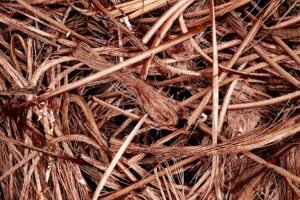
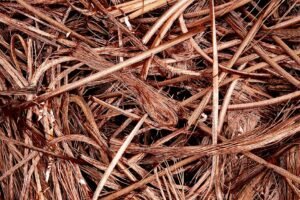
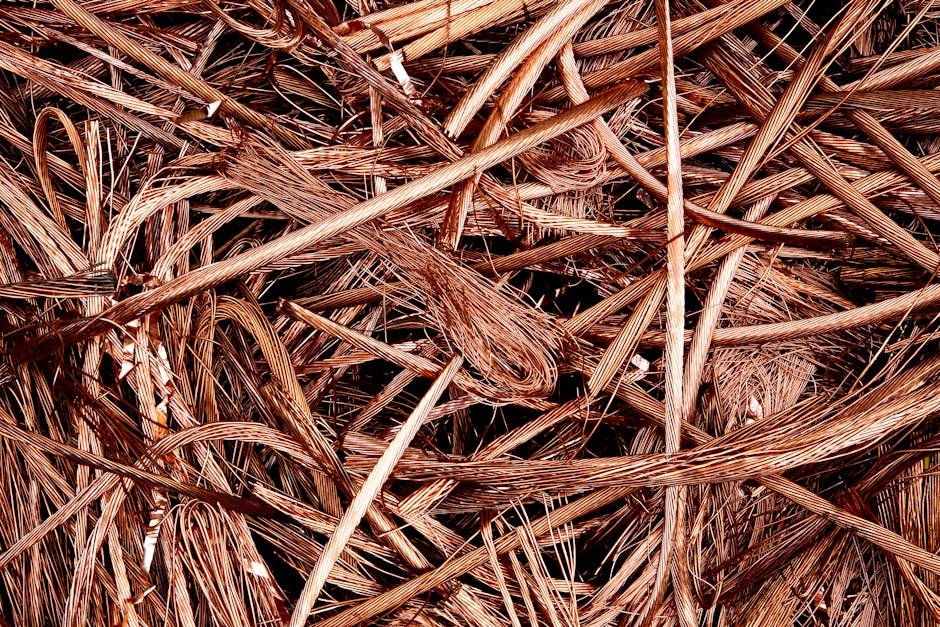
Not all copper is created equal. To get the best price, you must distinguish between the various grades of metal. The most sought-after form is bare bright copper, which consists of clean, unalloyed, uncoated, and uninsulated copper wire. Because it requires minimal processing, it commands the highest price. Next in line is number 2 copper, which may include copper that has been lightly tarnished or contains minor impurities like solder or paint. While still valuable, it sits at a lower price point than bare bright.
When dealing with copper pipe, ensure that it is free from fittings, valves, or excessive oxidation. If you have a large amount of copper wire, decide whether it is worth stripping the insulation. While insulated wire is accepted, stripping it can often double or triple the value of the material, depending on the current market conditions. Always monitor the daily copper price per kg to decide if the labor involved in stripping or cleaning your scrap is financially justified. For professional guidance on handling these materials, you can visit the scrap metal trading platform or check out the services offered at professional scrap metal recycling services.
Strategic Collection and Storage Tips
Effective scrap management starts with proper storage. If you are involved in regular scrap copper recycling Seven Hills, keeping your metals dry and organized is paramount. Oxidation, while natural, can lead to a downgrade from ‘bright’ to ‘number 2’ status. Use dedicated bins or crates to keep different grades of copper separate. Mixing high-grade copper with dirty or contaminated pieces will result in the entire batch being graded at the lowest common denominator, effectively throwing money away.
Furthermore, safety is a non-negotiable aspect of scrap handling. Copper can have sharp edges, and stripping wires can involve hazardous tools. Always wear appropriate personal protective equipment (PPE), including heavy-duty gloves and safety glasses. If your facility produces other types of waste, consider integrating your copper recycling with broader sustainability initiatives. For example, you can learn about Food Recycling How To Reduce Waste And Support Sustainability to adopt a holistic approach to waste management, which can improve your site’s overall environmental rating and potentially reduce disposal costs.
Market Trends and Pricing Factors
The copper market is highly sensitive to global economic indicators, including construction output, currency fluctuations, and mining production levels. Because the copper price per kg can change daily, it is wise to establish a relationship with a reputable local recycler who offers transparent pricing. When you visit a facility for scrap copper recycling Seven Hills, ask for a breakdown of how they grade your material. A transparent recycler will show you why a specific piece of pipe or wire was categorized as it was, helping you learn how to better prepare your scrap for future visits.
Technological advancements are also changing the game. Modern recycling facilities are now using advanced X-ray fluorescence (XRF) analyzers to instantly determine the elemental composition of metal alloys. This technology reduces human error and ensures that you are paid accurately for the exact quality of your scrap. As a seller, your goal is to provide ‘clean’ scrap. The cleaner the material, the less energy the recycler spends on secondary processing, and the more they can afford to pay you for the raw material.
Logistics: Moving Your Scrap in Seven Hills
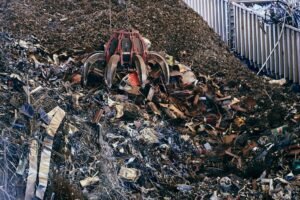
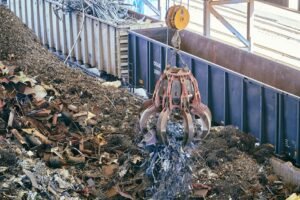
Seven Hills is strategically located near major arterial roads, making it an ideal location for transporting large quantities of scrap. If you are a contractor or a business owner, consider the logistics of your recycling routine. Do you have enough scrap to warrant a bulk pickup, or is it more efficient to drop off smaller loads yourself? Many recyclers offer bin services for commercial sites, which can significantly reduce the labor cost of transporting heavy copper loads. If you are looking for local partners, searching for scrap copper recycling Seven Hills will connect you with providers who can assist with logistics, weighing, and immediate payment.
Remember that the weight of copper is deceptive. A small bin of copper pipes can be surprisingly heavy, so ensure your transport vehicle is rated for the load. Always weigh your load before leaving your site if possible, so you have a baseline expectation for the payout. This diligence prevents discrepancies and builds trust with your chosen recycler.
Environmental Impact and Sustainability
Beyond the financial gain, recycling copper is an act of environmental stewardship. Mining copper is an energy-intensive process that involves massive land disruption and water usage. By recycling, we reduce the demand for virgin ore, lower carbon emissions, and preserve natural habitats. In Seven Hills, businesses that prioritize recycling are often viewed as leaders in sustainability. This is not just good for the planet; it is good for business. Clients and partners are increasingly looking for suppliers who can demonstrate a commitment to circular economy principles.
When you recycle, ensure you are using facilities that adhere to Australian environmental standards. Proper handling of scrap prevents hazardous materials, such as lead or plastic coatings, from leaching into the soil or water table. By choosing reputable recyclers, you ensure that your waste is processed in a way that aligns with modern environmental regulations, protecting the local Seven Hills ecosystem for future generations.
Future-Proofing Your Scrap Operations
As the world moves toward a greener future, the demand for copper will only increase. Electric vehicles, renewable energy infrastructure, and advanced telecommunications all rely heavily on high-quality copper. This long-term trend suggests that the value of scrap copper will remain high for the foreseeable future. To stay ahead, keep yourself informed about market shifts and technological improvements in the recycling sector. Regularly visiting industry hubs and reading updates on our portal will keep you informed about the best practices for managing your scrap inventory.
Consistency is key. By making recycling a standard part of your workflow rather than an afterthought, you turn waste management into a predictable revenue stream. Start today by auditing your current waste output, setting up a sorting system, and connecting with a reliable partner in Seven Hills who understands the value you bring to the table.
Conclusion
Maximizing the value of your scrap requires more than just gathering metal; it requires knowledge, strategy, and a commitment to quality. By understanding the differences between copper wire, copper pipe, and the various grades like bare bright copper and number 2 copper, you position yourself to earn the maximum copper price per kg. Whether you are a small-scale recycler or an industrial operation, the resources available for waste copper recycling Seven Hills are designed to support your success. By following the tips outlined in this guide and leveraging the internal resources provided, you can ensure that your scrap metal recycling efforts are both profitable and sustainable. Remember that every kilogram of copper you recycle is a contribution to a more sustainable, resource-efficient future for Australia.
Frequently Asked Questions
What is the difference between bare bright copper and number 2 copper?
Bare bright copper is clean, unalloyed wire that is free of insulation and coatings, making it the highest grade. Number 2 copper is typically tarnished, may contain minor impurities like solder, or is of a lower purity, resulting in a lower market price.
How often does the copper price per kg change?
The copper price per kg fluctuates daily based on global commodity market trends, currency exchange rates, and supply-demand cycles. It is recommended to check current market rates with your local recycler on the day you plan to sell.
Is it worth stripping insulation from copper wire?
Yes, in most cases, stripping insulation significantly increases the value of your scrap. However, you should compare the labor time and cost against the price difference between insulated wire and clean copper to ensure it makes financial sense for your specific volume.
How can I find the best waste copper recyclers in Seven Hills?
You can find reputable recyclers by looking for businesses that offer transparent pricing, modern weighing equipment, and clear grading standards. Using platforms like our directory to search for scrap copper recycling Seven Hills will help you identify verified and professional service providers.