
When dealing with waste copper Seven Hills, understanding the nuances of the scrap metal market is essential for maximizing your financial return. Seven Hills, located in the heart of Western Sydney’s industrial corridor, serves as a vital hub for metal recovery. Whether you are a construction contractor, an electrician, or a homeowner clearing out a renovation, knowing how to identify, sort, and process your materials is the difference between a minor payout and a significant profit. This guide explores everything you need to know about navigating the local recycling landscape, ensuring your scrap is handled efficiently and sustainably.
Understanding Copper Grades and Market Value
The value of your scrap is dictated by its purity and the current global commodity market. To get the best copper price per kg, you must understand how recyclers categorize your material. The industry standard differentiates between several key grades, each commanding a different price point based on the ease of processing and the level of contamination.
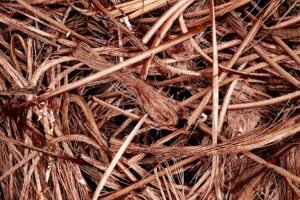
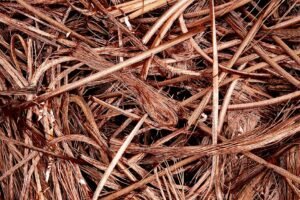
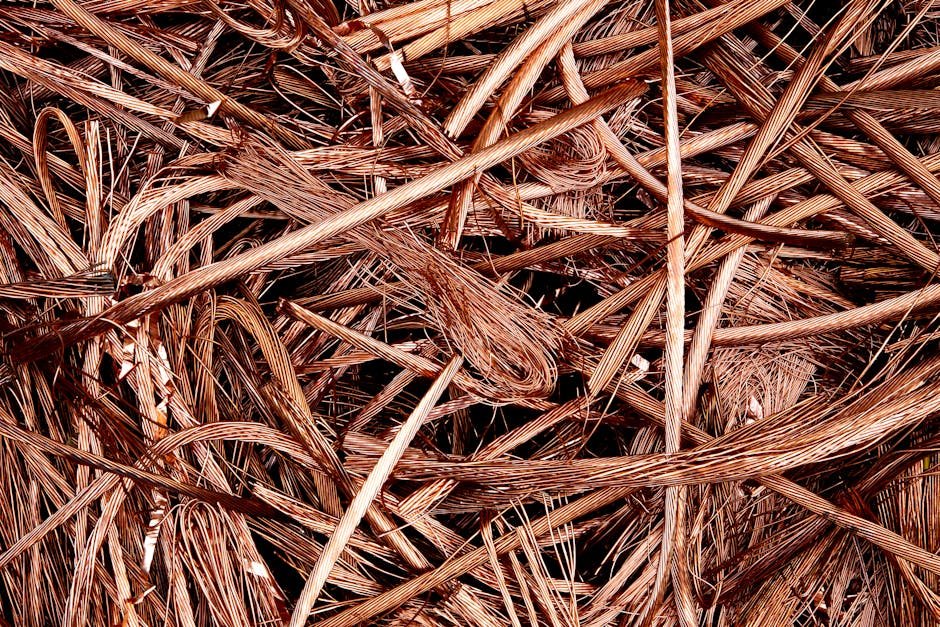
Bare bright copper is the gold standard of the industry. This consists of clean, unalloyed, uncoated, and uninsulated copper wire or cable, free of any paint, varnish, or solder. Because it is essentially pure copper, it requires the least amount of processing by the refinery, making it the most valuable grade you can bring to a facility. If you are stripping copper wire, ensure the strands are bright and shiny, not oxidized or darkened by heat.
Next is number 2 copper, which is slightly more complex. This grade often includes copper that has some level of contamination, such as solder, paint, or minor oxidation. It may also include copper pipe that has been used in plumbing, which often carries traces of fittings or mineral buildup. While it fetches a lower price than bare bright, it remains a highly sought-after commodity for waste copper recyclers seven hills. Understanding these distinctions allows you to separate your scrap effectively, ensuring you aren’t receiving a lower price due to mixed-grade loads.
The Importance of Professional Waste Copper Recycling
Recycling is not just about the money; it is about environmental stewardship. Copper is a 100% recyclable material that can be melted down and repurposed infinitely without losing its physical properties. When you engage with waste copper recycling seven hills services, you are contributing to a circular economy that reduces the need for destructive open-pit mining.
Many local businesses rely on the Copper Scrap Group to manage their industrial offcuts. By consolidating your scrap, you reduce the carbon footprint associated with transport and processing. Furthermore, professional recyclers utilize advanced sorting technologies—such as X-ray fluorescence (XRF) analyzers—to verify the composition of your metal, ensuring that alloys are correctly identified and routed to the appropriate smelting facilities. This level of precision is why it is critical to work with an established scrap metal trading platform rather than general waste disposal services.
For those managing large-scale demolition or electrical fit-outs, the E Waste Group often works in tandem with copper recyclers to ensure that complex items, such as transformers or heavy-duty industrial cables, are dismantled safely. Hazardous materials like lead-based insulation or oil-filled components must be handled according to strict environmental regulations, a service that only certified facilities in the Seven Hills area can provide.
Maximizing Your Returns: Practical Tips for Seven Hills Scrappers
To maximize your return when selling scrap copper, preparation is key. Most recyclers operate on a weight-based system, and time spent cleaning your material is usually rewarded with a higher payout. Start by separating your copper from other metals like steel, brass, or aluminum. A magnetic test is your best friend here; if a magnet sticks to your “copper,” it is likely steel-plated or a different alloy, which will downgrade your load.
If you are dealing with large volumes of insulated wire, consider whether it is worth stripping the insulation. While manual stripping is labor-intensive, the price difference between insulated wire and bare bright is often substantial. However, do not burn the insulation off your wires. Burning releases toxic fumes, is illegal in many jurisdictions, and actually ruins the copper by oxidizing it, which will result in a lower grade classification at the yard.
Always check the daily copper recycling rates before heading to the yard. Because the market is volatile, prices can fluctuate based on supply chain disruptions, currency exchange rates, and global demand. By keeping an eye on the market, you can choose the optimal time to sell your accumulated stock. For those who want to stay informed, visiting Australia’s leading metal trading portal provides real-time insights into market trends and helps you time your sales for maximum profitability.
Industrial Scale: Managing Large Volumes of Scrap
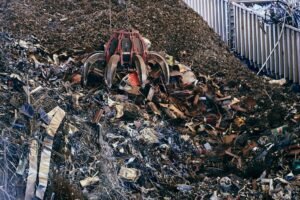
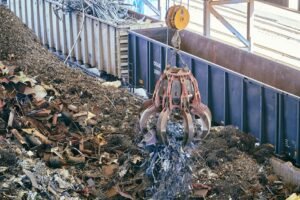
For industrial clients in Seven Hills, the logistics of scrap management can be just as important as the price per kg. If your business generates significant quantities of copper pipe, busbars, or cabling, you should look into scheduled collection services. Many recyclers offer bin services specifically for waste copper seven hills, providing you with a secure, on-site container to store your metal until it is ready for pickup.
Managing scrap on-site requires a dedicated space and a clear protocol. Ensure that your staff is trained to segregate metals at the source. It is much easier to keep copper pipe separate from stainless steel during a demolition project than it is to sort through a mixed pile of debris later. By implementing a systematic approach, you reduce the risk of contamination, which is the primary cause of lower payouts in the scrap industry.
Furthermore, maintain accurate records of your scrap sales. Professional recyclers will provide you with weight tickets and detailed invoices. These documents are not only important for your accounting but also for demonstrating your company’s sustainability credentials to clients and regulatory bodies. In the modern construction industry, being able to prove that your waste was recycled responsibly is a competitive advantage.
The Future of Copper Recycling in Australia
The demand for copper is projected to skyrocket over the next decade, driven by the global transition to renewable energy. Copper is essential for electric vehicles (EVs), wind turbines, and solar panel infrastructure. As Australia positions itself as a key player in the green energy transition, the role of local recyclers in Seven Hills becomes increasingly significant. We are moving toward a future where “waste” is no longer the correct terminology; instead, we view these materials as secondary raw materials.
Technological advancements in the recycling sector are also changing the game. We are seeing the introduction of automated sorting systems that can identify and separate copper from complex electronic waste with near-perfect accuracy. This means that even the most difficult-to-process materials will eventually find their way back into the supply chain. For the individual scrapper or the small business owner, this means that even small, previously “unrecyclable” items may soon have a market value.
As we look forward, the importance of transparency in the scrap trade cannot be overstated. Platforms that provide clear, data-driven insights into the metal market are empowering individuals to participate in the economy more effectively. By staying educated and choosing to work with reputable partners, you are not just making money; you are participating in a vital industry that supports the infrastructure of tomorrow.
Safety and Compliance in Metal Handling
Handling scrap metal is not without its risks. Copper pipe can have sharp, jagged edges, and heavy bundles of wire can cause strain or injury if not handled correctly. Safety should always be your priority when gathering and transporting your waste copper seven hills. Always wear heavy-duty gloves, protective footwear, and eye protection when cutting or moving metal.
Beyond personal safety, there is the matter of environmental compliance. Seven Hills has strict regulations regarding the storage and transport of industrial waste. Ensure that you are working with a facility that is fully licensed and compliant with NSW EPA standards. A reputable recycler will have the necessary permits to store and process metals without causing soil or water contamination. If a recycler offers you a price that seems “too good to be true” but cannot provide documentation or proof of compliance, proceed with caution. Illegal dumping or improper processing can lead to significant fines and environmental damage that far outweighs any short-term gain.
Finally, consider the security of your scrap. Copper is a high-value commodity, and theft is a real issue in the industry. Ensure your scrap is stored in a secure, locked area until it is transported. If you are a business, implementing a sign-in/sign-out protocol for your scrap storage area can help prevent inventory loss and ensure that all material is accounted for when it reaches the recycling yard.
Conclusion: Taking Action
Navigating the world of waste copper seven hills recycling is a straightforward process when you have the right information. By understanding the different grades of copper, keeping your materials clean and sorted, and working with reputable industry partners, you can ensure that you are getting the best possible value for your scrap. Whether you are a local tradie or a large industrial firm, the principles of high-quality sorting and timely selling remain the same.
Remember that every piece of copper you recycle is a contribution to a more sustainable, resource-efficient Australia. As the market for copper continues to grow, your efforts in the scrap industry become more valuable than ever. Stay informed, stay safe, and make sure you are getting the most out of every kilogram of metal you handle. For further resources and to stay updated on the latest industry news, continue to explore our comprehensive guides on the Scrap Copper resource hub.
Related: waste copper recycling seven hills
Related: waste copper recyclers seven hills
Frequently Asked Questions
What is the difference between bare bright and number 2 copper?
Bare bright copper is pure, clean, and uninsulated wire with no oxidation, making it the highest-value grade. Number 2 copper includes wire or pipe that has been soldered, painted, or slightly oxidized, resulting in a lower market price.
How can I get the best copper price per kg in Seven Hills?
To get the best price, ensure your copper is clean, free of contaminants like plastic or steel, and sorted by grade before visiting the recycler. Checking current market rates daily also helps you time your sale for maximum profit.
Is it better to strip insulation off copper wire?
Yes, stripping the insulation off copper wire significantly increases its value as it converts the material into bare bright copper. However, never burn the insulation off, as this is illegal and damages the quality of the metal.
Why should I use a professional waste copper recycler?
Professional recyclers are equipped to handle materials in compliance with environmental laws and use advanced sorting technology to ensure accurate grading. This guarantees you are paid fairly while ensuring the metal is processed sustainably.