
Waste metal recycling Seven Hills is a critical component of Australia’s circular economy, ensuring valuable metals are reclaimed, repurposed, and kept out of landfills. With rising environmental awareness and regulatory pressures, effective metal recycling systems have become essential for households, industries, and municipalities. This guide explores the intricacies of waste metal recycling in Seven Hills, including its environmental impact, practical steps for participation, and the benefits of partnering with expert recyclers.
The Importance of Waste Metal Recycling in Seven Hills
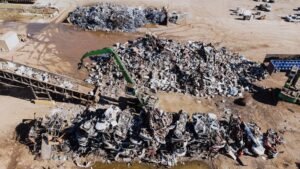
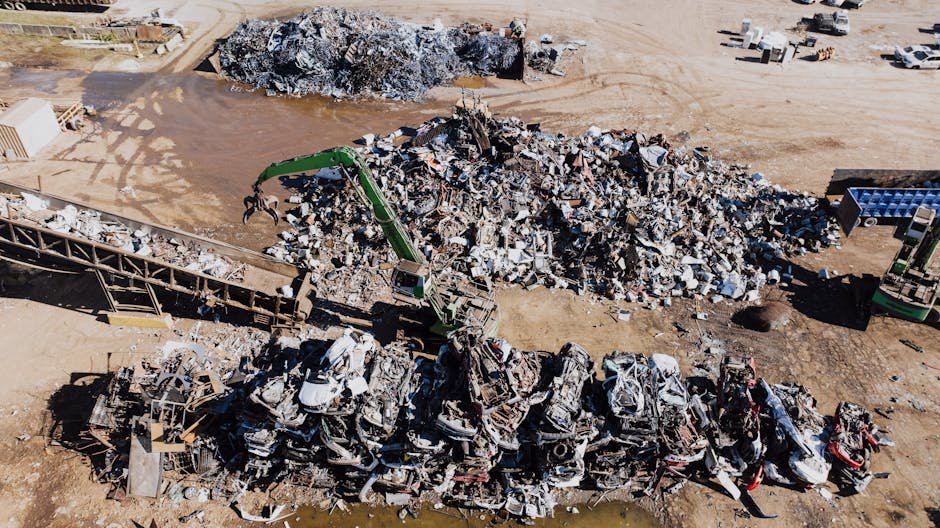
Seven Hills, like many urban centers in Australia, generates significant volumes of waste metal from construction, automotive, and manufacturing sectors. Waste metal recycling Seven Hills addresses these challenges by diverting metals such as steel, copper, and aluminum from landfills. Recycling reduces the need for raw material extraction, conserves energy, and minimizes greenhouse gas emissions. For example, recycling aluminum uses 95% less energy than producing new aluminum from bauxite. This makes scrap metal recycling near me a vital practice for communities aiming to meet sustainability targets.
Types of Metals Processed in Seven Hills
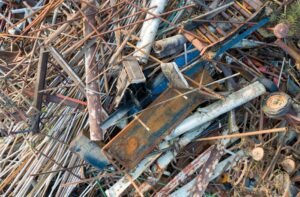
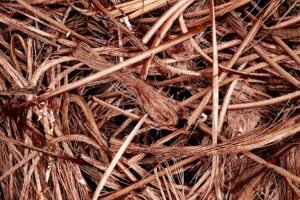
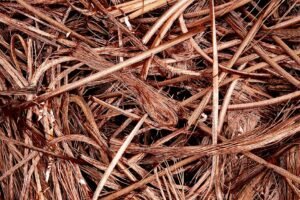
Recyclable metals in Seven Hills are broadly categorized into ferrous and non-ferrous metals. Ferrous metals, such as iron and steel, are magnetic and commonly used in construction and automotive industries. Non-ferrous metals, including copper, brass, and aluminum, are non-magnetic and valued for their conductivity and corrosion resistance. Specific items accepted for recycling include:
- Automotive parts (e.g., engines, radiators)
- Construction debris (e.g., rebar, structural steel)
- Household appliances (e.g., refrigerators, washing machines)
- Industrial machinery and tools
For specialized metals, such as precious metals in electronics or vehicle cores, platforms like Core Metal Recycling provide tailored solutions to maximize value.
The Recycling Process in Seven Hills
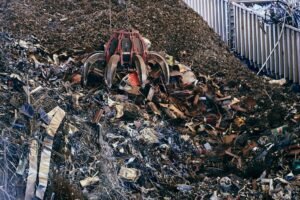
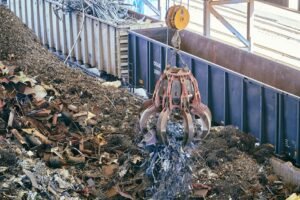
The waste metal recycling Seven Hills process involves several stages to ensure efficiency and safety:
- Collection: Households and businesses arrange pickups or drop off materials at local facilities like metal recycling near me.
- Sorting: Metals are separated using magnets, X-ray fluorescence, and manual inspection to categorize ferrous and non-ferrous materials.
- Shredding and Melting: Processed metals are shredded to reduce volume and melted in furnaces to create molten metal for reuse.
- Repurposing: Recycled metal is molded into new products, such as construction materials or consumer goods, closing the resource loop.
Advanced technologies, like eddy current separators, enhance the efficiency of sorting non-ferrous metals, ensuring higher recovery rates and purity.
Benefits of Waste Metal Recycling for Seven Hills
Engaging in waste metal recycling Seven Hills offers multiple advantages:
- Environmental Protection: Diverts 90% of metals from landfills, reducing soil and water contamination.
- Economic Growth: Creates jobs in recycling facilities and generates revenue through metal sales.
- Resource Conservation: Saves natural resources by reducing the demand for mining and refining.
- Community Impact: Supports local initiatives, such as waste metal Seven Hills programs, fostering environmental stewardship.
Businesses that prioritize recycling can also enhance their brand reputation while complying with environmental regulations.
Practical Tips for Residents and Businesses
To optimize waste metal recycling Seven Hills efforts, consider these strategies:
- Segregate Waste: Separate metals from other recyclables to streamline processing at facilities like scrap metal recycling Seven Hills.
- Use Certified Services: Partner with accredited recyclers to ensure ethical practices and compliance with Australian standards.
- Monitor Local Programs: Stay updated on Council of Seven Hills initiatives, such as free metal collection days or incentives for bulk recycling.
- Repurpose When Possible: Donate usable metal items to community projects or repair them for continued use.
For businesses, implementing an in-house metal sorting system can reduce costs and improve sustainability metrics.
Challenges and Solutions in Seven Hills
Despite its benefits, waste metal recycling Seven Hills faces challenges like contamination, transportation costs, and fluctuating metal prices. Contamination occurs when non-metallic materials mix with scrap, increasing processing costs. Solutions include:
- Public Education: Workshops and campaigns to teach proper sorting techniques.
- Invest in Technology: Facilities can adopt AI-powered sorting systems for higher accuracy.
- Collaborative Networks: Partnering with local governments and organizations to subsidize transportation for small-scale recyclers.
These measures help maintain the viability of recycling ecosystems in urban environments.
Future of Waste Metal Recycling in Seven Hills
Seven Hills is poised to lead in sustainable metal recycling through innovations like blockchain for tracking recycled materials and 3D printing with recycled metals. The NSW Government’s Circular Economy Strategy emphasizes expanding recycling infrastructure, which will further boost waste metal recycling Seven Hills initiatives. By 2030, the region aims to achieve a 70% recycling rate for metals, aligning with Australia’s National Waste Policy.
Conclusion
Waste metal recycling Seven Hills is not just an environmental obligation but a strategic opportunity for economic and ecological growth. By leveraging platforms like ScrapTrade, residents and businesses can access efficient, transparent recycling services while contributing to a greener future. Whether you’re disposing of old appliances or managing industrial waste, understanding the recycling process ensures your efforts make a meaningful impact.
Frequently Asked Questions
What types of metals can be recycled in Seven Hills?
Seven Hills accepts ferrous metals (e.g., steel, iron) and non-ferrous metals (e.g., copper, aluminum) for recycling. Items like automotive parts, construction materials, and household appliances are commonly processed.
How do I find a reliable metal recycling service in Seven Hills?
Use the scrap metal recycling near me tool to locate certified recyclers in Seven Hills. Always verify their compliance with Australian environmental standards.
What are the financial benefits of recycling metal?
Recycling metal reduces waste disposal costs and generates income through metal sales. Businesses may also qualify for tax incentives or grants for sustainable practices.
Can I recycle hazardous metal waste in Seven Hills?
Yes, hazardous materials like lead-acid batteries or mercury-containing components must be handled by licensed recyclers. Check with Core Metal Recycling for specialized disposal.