
When searching for professional waste metal Seven Hills solutions, it is essential to understand the local landscape of Western Sydney’s industrial sector. Seven Hills serves as a critical junction for manufacturing, logistics, and construction, generating significant volumes of scrap that require efficient, compliant, and profitable disposal. Whether you are a small business owner clearing out a workshop or an industrial facility managing high-volume production offcuts, understanding how to navigate the local market is vital for sustainability and economic recovery.
The Importance of Professional Waste Metal Recycling in Seven Hills
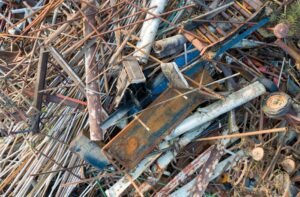
Seven Hills acts as a strategic artery for Greater Western Sydney, housing a diverse range of industrial estates. The accumulation of metal waste is an inevitable byproduct of this activity, but it represents a significant resource rather than mere trash. By utilizing reputable waste metal recyclers seven hills, businesses can ensure that materials like steel, copper, aluminium, and brass are diverted from landfills and fed back into the circular economy. This process reduces the energy intensity of primary metal production, which is a major contributor to global carbon emissions.
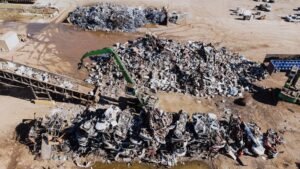
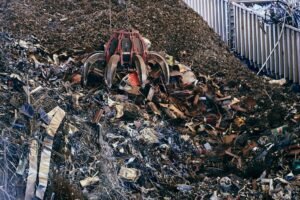
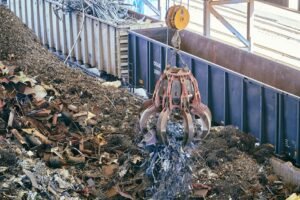
Effective waste management goes beyond simple disposal. It involves the systematic collection, sorting, and processing of metals to meet international purity standards. When you engage with a professional waste metal yard seven hills, you are not just getting rid of clutter; you are participating in a sophisticated supply chain. The infrastructure available in this region allows for the handling of complex alloys and large-scale industrial machinery, ensuring that nothing goes to waste. For those looking to optimize their logistics, our Industrial Metal Scrap Buyers Manufacturing Waste 2026 Guide provides a deep dive into how modern manufacturers can streamline their scrap outputs for maximum financial return.
Categorizing Your Scrap: Ferrous vs. Non-Ferrous
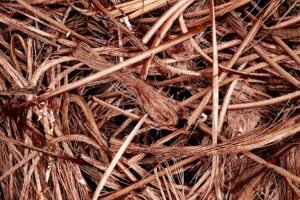
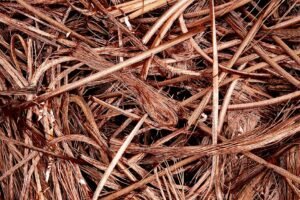
To get the best price for your materials, you must understand the distinction between ferrous and non-ferrous metals. Ferrous metals, such as iron and steel, are magnetic and are the most commonly recycled materials in the world. Because of their high volume, they are often traded in bulk. Conversely, non-ferrous metals—including copper, aluminium, lead, and stainless steel—are non-magnetic and generally command a higher price per kilogram due to their scarcity and the energy required to refine them from ore.
In Seven Hills, the proximity to industrial manufacturing means that high-grade non-ferrous scrap is frequently available. If you are handling large quantities of electrical cabling, piping, or manufacturing offcuts, it is crucial to separate these materials. Mixing metals can significantly lower the grade of your scrap, resulting in lower payouts. For those needing guidance on how to identify and sort these materials, our Sell Scrap Metal Near Me In 2026 resource offers practical tips on preparation and grading. Always remember that cleaner, sorted scrap is significantly more valuable to buyers than contaminated or mixed loads.
Managing Industrial and Electronic Waste Streams
The modern industrial environment in Seven Hills is increasingly digital, leading to a rise in electronic waste (e-waste). This category includes everything from server racks and circuit boards to specialized industrial sensors and power supplies. Because these items contain both precious metals and hazardous materials, they require specialized handling. Many businesses find it beneficial to work with an E Waste Group to ensure that data security is maintained during the destruction of hardware and that toxic components like lead or mercury are handled according to Australian environmental regulations.
Furthermore, large-scale industrial waste requires a logistical approach. If your facility generates consistent scrap, you should consider implementing a site-wide waste management plan. This includes the use of dedicated bins, scheduled pickups, and on-site compactors. By treating scrap metal as a revenue stream rather than an overhead cost, businesses in Seven Hills can offset the costs of their operations while meeting their ESG (Environmental, Social, and Governance) targets. For general trading inquiries and market insights, you can visit the primary scrap metal trading platform to stay updated on current commodity prices.
Environmental Compliance and Local Regulations
Operating in the Seven Hills industrial corridor requires adherence to strict environmental standards set by the NSW Environment Protection Authority (EPA). Illegal dumping or improper processing of metal waste can lead to significant fines and reputational damage. By choosing to work with licensed facilities, you ensure that your waste is processed in a way that protects the local ecosystem. This includes managing runoff, preventing soil contamination, and ensuring that any hazardous byproducts are neutralized or disposed of properly.
Sustainability is no longer optional; it is a core component of modern business strategy. When you document your recycling efforts, you provide transparency to stakeholders and customers. Many companies in Western Sydney are now opting for certified recycling partners who provide detailed reports on the volume of metal diverted from landfills. This data is invaluable for annual sustainability reporting. For more information on how to integrate these practices into your business model, explore resources at professional scrap metal trading services to learn about industry best practices.
Maximizing Financial Returns on Your Scrap
The price of metal is volatile, fluctuating based on global demand, mining output, and geopolitical events. To maximize your returns, timing is everything. While it is impossible to predict the market perfectly, you can monitor trends and sell when prices are high. Additionally, the way you present your scrap matters. Removing non-metallic attachments like plastic, rubber, or wood from your metal parts increases the purity of the load, which directly translates to a higher price per tonne.
Another tip for Seven Hills businesses is to consolidate your scrap. Multiple small trips to a yard are inefficient and can increase your transport costs. Instead, invest in a storage area where you can accumulate enough material to make a single, large delivery. This not only saves on fuel and time but often allows you to negotiate better rates with scrap buyers who prefer high-volume deliveries. Keep a close eye on the market, and don’t be afraid to ask for a quote based on the current market grade of your specific material batch.
Safety Protocols for Handling Scrap Metal
Safety is paramount when dealing with waste metal seven hills. Scrap metal is often sharp, heavy, and potentially contaminated with oil or chemicals. When collecting and transporting materials, always wear appropriate Personal Protective Equipment (PPE), including heavy-duty gloves, steel-toed boots, and high-visibility clothing. If you are dismantling machinery, ensure that all power sources are disconnected and that hydraulic systems have been bled to prevent spills.
Furthermore, be aware of the weight limits of your transport vehicles. Overloading a truck or trailer is not only dangerous but also illegal. If you are dealing with particularly large or complex items, consider hiring a professional collection service that has the necessary cranes and specialized lifting equipment. Investing in safety is an investment in your business continuity; an accident on-site can lead to costly downtime, legal liabilities, and insurance complications. Always prioritize a clean, organized workspace to minimize the risk of trips, falls, and lacerations.
Future Trends in the Australian Metal Recycling Industry
The metal recycling industry in Australia is undergoing a transformation driven by technology and a push for a circular economy. We are seeing the adoption of advanced sorting technologies, such as X-ray fluorescence (XRF) scanners, which allow for the precise identification of alloys in seconds. This technology is becoming more accessible, even to mid-sized scrap yards, ensuring that the quality of recycled metal is higher than ever before. As we look toward 2026 and beyond, the demand for recycled aluminium and copper is expected to surge due to the global transition to renewable energy and electric vehicles.
Seven Hills is perfectly positioned to benefit from these shifts. As a central hub, it will likely see increased investment in automated processing facilities. Businesses that align themselves with these modern practices will find themselves at a distinct competitive advantage. Whether it is through adopting better sorting techniques or partnering with tech-forward recycling firms, the future of the scrap industry is bright, efficient, and increasingly essential to Australia’s economic and environmental health.
Conclusion: Taking Action in Seven Hills
Managing your metal waste effectively is a win-win scenario. It reduces your environmental footprint, complies with local regulations, and turns what would otherwise be a waste management cost into a potential revenue source. Whether you are a construction firm, a manufacturing plant, or a local workshop, the resources available in Seven Hills are designed to help you handle your scrap metal professionally. By following the guidelines in this article—sorting your metals, prioritizing safety, and staying informed about market prices—you can ensure that your operations are both profitable and sustainable.
Remember that the landscape of scrap metal trading is constantly evolving. Keep yourself updated by leveraging industry guides and maintaining relationships with reputable local buyers. By taking a proactive approach to your waste streams today, you are securing a more efficient and profitable future for your business. Start by assessing your current scrap output and identifying the most valuable materials in your inventory. The path to better recycling starts with a single, well-informed decision.
Related: Sell Scrap Metal Near Me In 2026
Related: waste metal recyclers seven hills
Related: waste metal yard seven hills
Frequently Asked Questions
What is the best way to prepare scrap metal for sale in Seven Hills?
To get the best price, sort your metal by type (ferrous vs. non-ferrous) and remove any non-metallic contaminants like plastic, wood, or glass. Cleaning your scrap and grouping similar items together makes the grading process faster and more profitable for you.
Are there specific regulations for disposing of industrial waste metal?
Yes, businesses must comply with NSW EPA guidelines regarding waste management and environmental protection. It is recommended to use licensed recyclers who provide documentation for waste disposal to ensure compliance with local and state regulations.
Can I recycle electronic waste along with standard metal scrap?
E-waste requires specialized handling due to the presence of hazardous materials and precious metals. It is best to contact an e-waste group or a specialized facility that can safely dismantle electronics and recover valuable components without harming the environment.
How often do scrap metal prices change?
Scrap metal prices are linked to global commodity markets and can fluctuate daily or weekly based on supply, demand, and international trade conditions. It is advisable to check current market rates before scheduling a large sale to ensure you are receiving a fair market value.