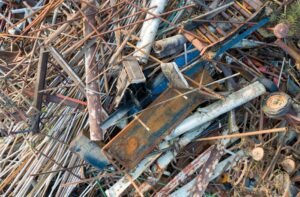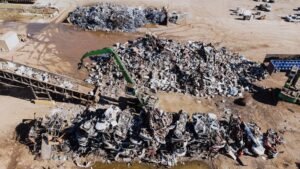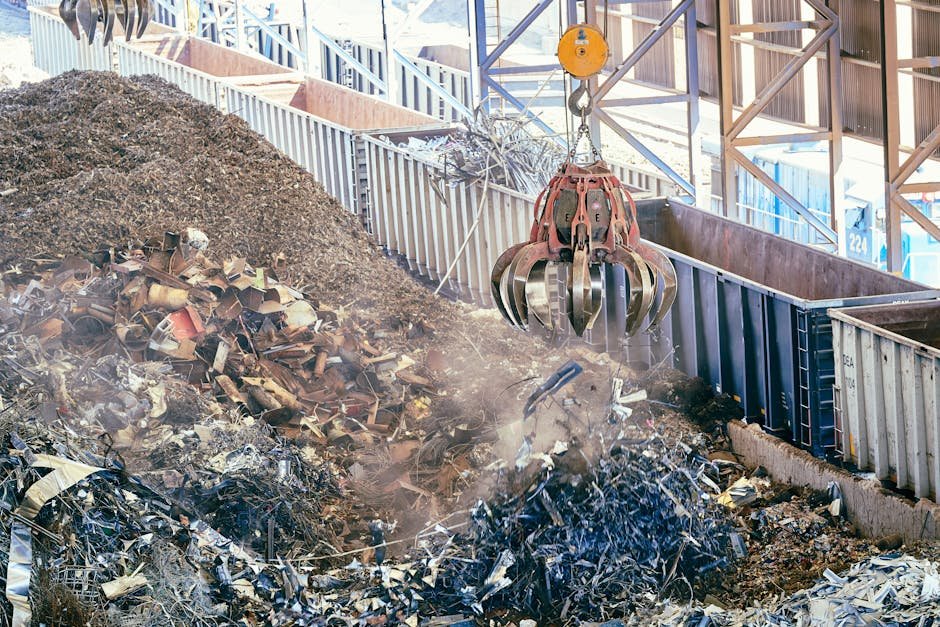

For businesses and industrial operators across Western Sydney, effective waste steel recycling seven hills is more than just a disposal necessity; it is a strategic financial decision. As the industrial heart of the region, Seven Hills generates significant volumes of ferrous metal waste, ranging from construction debris to precision machine shop offcuts. Understanding the nuances of the recycling market allows companies to turn what was once considered a liability into a consistent revenue stream. By partnering with a professional scrap metal trading platform, you ensure that your materials are diverted from landfills and returned to the manufacturing supply chain, supporting a circular economy.
Understanding the Ferrous Metal Market in Seven Hills
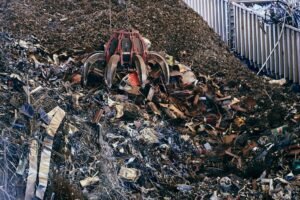
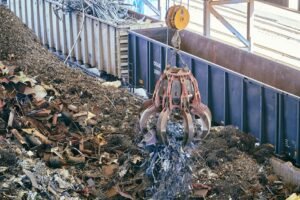
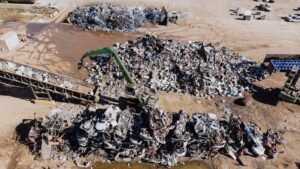
To navigate the local market, one must first distinguish between the types of materials being processed. Ferrous metals, which contain iron and are magnetic, form the bulk of industrial scrap. This category includes everything from heavy structural beams to thin sheet metal offcuts. In Seven Hills, the demand for high-quality scrap is driven by both local manufacturing and export requirements. When you engage in waste steel recycling seven hills, you are participating in a global commodity market where the steel price per tonne fluctuates based on international demand, energy costs, and production output.
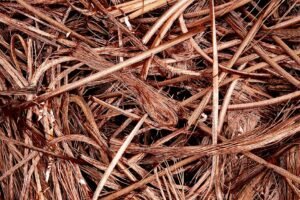
The value of your scrap is heavily dependent on its purity and preparation. Clean, sorted loads of mild steel will always command a higher price than mixed, contaminated loads. Businesses that invest time in segregating their waste streams—separating steel from non-ferrous metals like copper—often see a significant increase in their overall returns. For those dealing with high-volume industrial waste, specialized services like scrap steel recycling seven hills provide the logistics and processing capabilities necessary to handle bulk shipments efficiently. It is essential to recognize that steel is infinitely recyclable without losing its structural integrity, making it one of the most sustainable materials in the modern industrial landscape.
Maximizing Profitability: Preparing Your Scrap Steel
Preparation is the single most important factor when selling scrap. Buyers look for “clean” scrap, meaning it is free from non-metallic attachments such as rubber, plastic, wood, or concrete. If you are a machine shop owner, you likely deal with high volumes of swarf. Our guide on Steel Turnings Chips Buyers Machine Shop Waste provides specific insights into how to handle these smaller, often overlooked metallic byproducts. By keeping these materials separate from heavier structural steel, you ensure that the buyer can process them immediately, which reflects positively on the price you receive.
Furthermore, when dealing with stainless steel, the grading process is more rigorous due to the nickel and chromium content. If you are looking to optimize your returns, refer to our expert guide on Stainless Steel Recycling How To Sell Scrap For Maximum Profit. Understanding the difference between 304 and 316 grade stainless steel can mean the difference between a standard payout and a premium return. Always aim to keep your scrap dry and under cover if possible; rust and oxidation can degrade the surface quality of sheet metal, potentially leading to lower grading at the scales.
Logistics and Environmental Compliance in Western Sydney
The logistics of moving heavy industrial waste require a reliable partner. In Seven Hills, the proximity to major transport arteries makes it an ideal hub for scrap collection. However, compliance with environmental regulations is non-negotiable. Responsible recycling prevents hazardous materials from leaching into the soil and reduces the carbon footprint associated with mining virgin iron ore. When you choose a certified recycling partner, you are ensuring that your waste management practices align with Australian environmental standards.
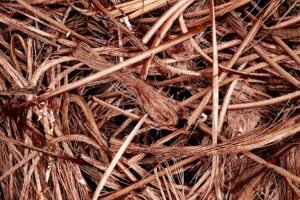
Beyond steel, many industrial sites also produce significant amounts of electrical cabling and plumbing waste. If your facility generates mixed waste, you should explore waste copper recycling seven hills to ensure you are capturing the value of these high-demand non-ferrous materials as well. Integrating a comprehensive waste management strategy—which might even include Food Recycling How To Reduce Waste And Support Sustainability for your staff amenities—demonstrates a commitment to corporate social responsibility (CSR) that is increasingly valued by stakeholders and clients alike.
The Role of Technology in Modern Steel Recycling
Modern recycling facilities use advanced technology to sort and process scrap steel at scale. Spectrometers are used to identify the exact chemical composition of metal alloys, ensuring that the final product meets the stringent requirements of steel mills. For the seller, this means transparency. When you work with a professional scrap metal trading service, you can expect accurate weighing and fair pricing based on the current market steel price per tonne. This level of professional service removes the guesswork from the transaction.
Digital platforms have revolutionized how businesses interact with the scrap market. By using real-time data, you can track market trends and decide the optimal time to sell your accumulated scrap. This proactive approach to waste steel recycling seven hills allows businesses to budget more effectively and treat their scrap pile as a dynamic asset rather than a forgotten corner of the warehouse. Whether you are dealing with demolition waste or routine manufacturing offcuts, the ability to access reliable data is a competitive advantage.
Safety Protocols for Handling Industrial Scrap
Safety must always be the primary concern when managing mild steel and other heavy metals. Scrap yards and industrial sites are high-risk environments. Proper Personal Protective Equipment (PPE), including steel-toe boots, high-visibility clothing, and heavy-duty gloves, is mandatory for anyone handling scrap. When loading trucks, ensure that the weight is distributed evenly to comply with road safety regulations. Sharp edges on sheet metal can cause severe injuries, so proper storage in bins or designated areas is vital.
Training your staff on the basics of scrap identification and safe handling practices not only prevents accidents but also streamlines the sorting process. A well-organized yard is a safe yard, and it also makes the collection process much faster for the recycling company. By implementing a standardized system for waste segregation, you minimize the risk of cross-contamination, which is the primary cause of downgraded scrap quality. Remember that safety and efficiency go hand-in-hand in the industrial recycling sector.
Future Trends: The Circular Economy and Steel
The global shift toward a circular economy places steel at the forefront of sustainable industrial practices. Because steel can be recycled indefinitely, it is the ultimate “green” material. As Australia moves toward stricter emissions targets, the demand for recycled steel—which requires significantly less energy to produce than steel made from virgin ore—will continue to rise. This shift will likely influence the steel price per tonne, making waste steel recycling seven hills an even more lucrative endeavor for businesses in the coming decade.
We are also seeing an increase in the use of AI-driven sorting robots in major recycling facilities. These machines can identify and sort metals with a level of speed and accuracy that was previously impossible. For the Seven Hills industrial community, this means that even complex, mixed-waste loads will become easier to process and more valuable. Staying informed about these technological advancements will help your business stay ahead of the curve, ensuring that you are always getting the best value for your industrial byproducts.
Conclusion: Turning Waste into Wealth
In conclusion, waste steel recycling seven hills is a cornerstone of efficient industrial operations in Western Sydney. By understanding the market, preparing your materials correctly, and partnering with reputable recycling experts, you can transform your waste management process into a profitable venture. Whether you are handling large-scale structural steel or smaller machine shop turnings, the value of your scrap is waiting to be realized. Start by auditing your current waste streams, implementing a segregation strategy, and connecting with a professional trading platform to maximize your returns. The future of industry is circular, and by recycling your steel today, you are contributing to a more sustainable and profitable tomorrow for your business and the environment.
Frequently Asked Questions
How is the price per tonne of scrap steel determined?
The price is determined by global market demand, the purity of the steel, and the current cost of energy. Higher quality, clean ferrous metal typically commands a higher price per tonne than mixed or contaminated loads.
What is the difference between ferrous and non-ferrous metal?
Ferrous metals, such as mild steel and iron, contain iron and are magnetic. Non-ferrous metals, like copper, aluminum, and brass, do not contain iron and are generally more valuable per kilogram.
How should I prepare my scrap steel for collection?
To get the best price, remove all non-metallic attachments like plastic, rubber, or wood. Sort your metals by type and grade, and keep them in a clean, dry area to prevent oxidation and rust.
Why is it important to use a professional recycling service?
Professional services ensure compliance with environmental regulations, provide accurate weighing, and offer fair market pricing. They also have the equipment and logistics to handle large volumes of industrial waste safely and efficiently.