
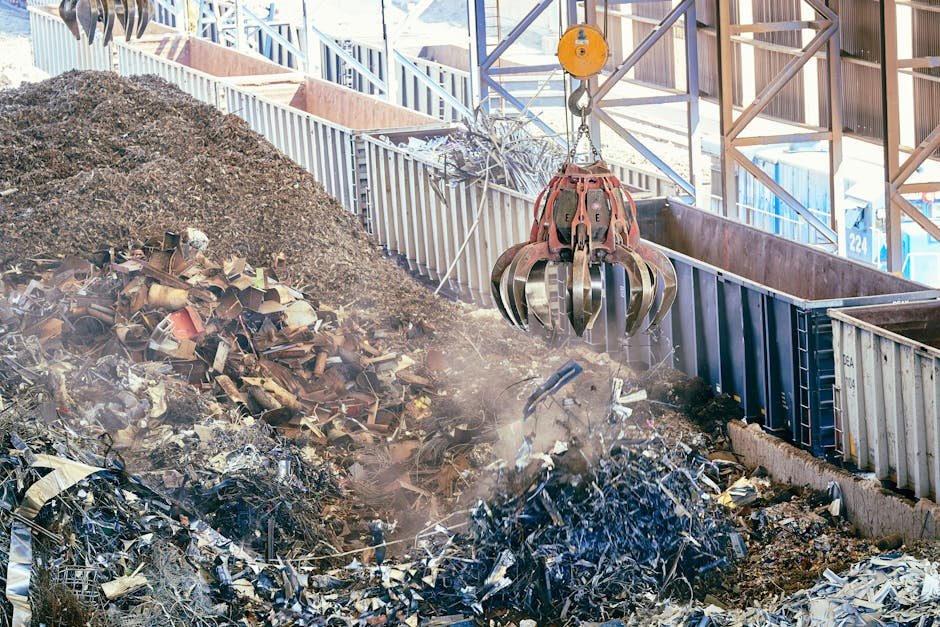

Managing waste steel Sydney effectively is not just an environmental necessity; it is a significant economic opportunity for businesses and contractors across New South Wales. As the Greater Sydney region continues to experience rapid urban development and infrastructure growth, the volume of steel scrap generated from demolition, construction, and manufacturing has reached unprecedented levels. Understanding the market dynamics, grading systems, and logistics of recycling this material is essential for anyone looking to optimize their scrap metal disposal processes.
Understanding Ferrous Metals and Steel Grades
In the world of scrap metal, steel is classified as a ferrous metal because it contains iron. Ferrous metals are magnetic and are the most recycled materials on the planet. When dealing with waste steel Sydney, it is crucial to distinguish between various grades, as these differences directly impact the steel price per tonne. The most common form of scrap found in the region is mild steel, which is low in carbon and widely used in structural beams, rebar, and general construction components. Because it is highly abundant, it is the backbone of the recycling industry.
Beyond structural steel, you will often encounter sheet metal, which consists of thin, flat pieces of steel used in automotive bodies, appliance manufacturing, and roofing. Sheet metal is often classified as ‘light iron’ or ‘clippings’ in scrap yards. For those operating in industrial zones, you may also find specialized waste streams, such as Steel Turnings Chips Buyers Machine Shop Waste, which require specific handling due to their high surface-area-to-volume ratio and contamination levels. Properly segregating these grades at the source is the single most effective way to ensure you receive the best possible payout from a reputable scrap steel yard sydney.
The Circular Economy in New South Wales
New South Wales has implemented stringent environmental regulations regarding industrial waste. The recycling of steel is a cornerstone of the state’s sustainability goals. By diverting steel from landfills, businesses reduce their carbon footprint and lower the energy intensity of new steel production. Producing steel from recycled scrap requires significantly less energy than refining iron ore. This is where professional recycling platforms like Scrap Trade play a pivotal role, connecting sellers with the infrastructure needed to process these materials efficiently.
In Greater Sydney, the logistics of moving heavy scrap are complex. Whether you are clearing a construction site in the CBD or managing waste from a manufacturing plant in Western Sydney, the efficiency of your collection service matters. Many businesses overlook the value of their scrap because they lack the equipment to transport it. However, modern recycling networks now offer comprehensive pick-up services, ensuring that even large-scale demolition waste is handled in accordance with NSW EPA guidelines. For specialized electronic scrap, you can also connect with the E Waste Group to ensure your non-ferrous and electronic components are handled with the same level of expertise as your steel.
Maximizing Returns: Market Trends and Pricing
The steel price per tonne is a fluctuating metric influenced by global supply chains, iron ore prices, and local demand within New South Wales. To maximize your returns, you must track these trends. High-quality, clean scrap—free of non-metallic contaminants like plastic, rubber, or concrete—will always command a premium price. If you are dealing with high-value alloys, it is also worth researching the current Stainless Steel Scrap Price, as these materials contain valuable elements like nickel and chromium that significantly increase their market value compared to standard carbon steel.
Consistency is key. If you are a regular supplier, establishing a relationship with a local facility, such as those providing steel recycling north sydney services, can lead to better pricing structures and more reliable pick-up schedules. Always ask for a clear breakdown of your scrap weights and grades. Transparency in weighing is a hallmark of a professional scrap dealer. By utilizing the resources found at Scrap Trade Australia, you can gain a better understanding of how to prepare your load for inspection, which reduces turn-around time at the weighbridge and ensures you are paid accurately for the material delivered.
Logistics and Safety in Steel Recycling
Handling waste steel Sydney involves significant safety risks. Steel is heavy, sharp, and often awkward to transport. Whether you are using a skip bin or a flatbed truck, site safety is paramount. In Sydney’s dense urban environment, access to sites can be restricted, requiring smaller vehicles or specialized crane trucks. Always ensure that your scrap is loaded in a way that prevents spillage during transit and adheres to local road safety laws.
Furthermore, environmental safety is a critical consideration. Scrap steel often comes into contact with oils, coolants, or hazardous chemicals, especially in machine shop environments. Pre-treating or cleaning your scrap not only increases the value but also prevents environmental contamination during the recycling process. When you work with established recyclers, they often have the equipment to handle oily or contaminated materials, but pre-sorting is still your responsibility as the generator of the waste. Proper documentation of your waste stream is also a legal requirement in NSW, ensuring that the material is tracked from the point of origin to the final smelting facility.
Technological Innovations in Steel Processing
The steel recycling industry is currently undergoing a digital transformation. Gone are the days of manual ledger entries and opaque pricing. Today, sophisticated software allows for real-time tracking of scrap loads. This tech-driven approach ensures that the waste steel Sydney market is more accessible than ever. By using digital platforms to list or find scrap, businesses can optimize their logistics, reducing the number of ’empty runs’ and lowering their overall carbon emissions.
Advanced sorting technology, such as X-ray fluorescence (XRF) analyzers, is now commonly used at major scrap steel yard sydney locations. These handheld devices allow operators to instantly determine the chemical composition of a piece of metal. This is particularly useful when dealing with high-grade alloys or mixed batches of steel. As a seller, knowing that your scrap is being analyzed with such precision provides peace of mind that you are being paid the correct market rate for the specific grade of steel you are providing.
Future Outlook: Sustainability and Growth
The demand for recycled steel is projected to grow as the construction industry shifts toward ‘Green Steel’ initiatives. Architects and developers in New South Wales are increasingly prioritizing materials with a high recycled content to achieve Green Star ratings for their buildings. This creates a direct link between your waste steel Sydney and the future of sustainable urban development. By ensuring that your scrap is recycled correctly, you are contributing to a supply chain that supports the construction of more environmentally friendly infrastructure.
As we look to the future, the integration of blockchain and IoT in the recycling sector will likely lead to even greater transparency. Imagine being able to track the lifecycle of a steel beam from its original demolition site through the recycling process and back into a new construction project. This ‘circularity’ is the goal of the modern recycling industry in Greater Sydney, and every business that commits to responsible scrap management is a vital participant in this transition.
Practical Tips for Scrap Management
To get the most out of your recycling efforts, consider implementing these best practices:
- Segregation at Source: Keep your ferrous metals separate from non-ferrous metals like copper, aluminum, and brass. Mixing these materials will almost always result in the lower price of the two being applied to the entire batch.
- Cleanliness Matters: Remove non-metallic attachments whenever possible. While some contamination is expected, extreme cases can lead to load rejection or significant price penalties.
- Volume Aggregation: If you have small amounts of scrap, try to accumulate a larger volume before scheduling a pick-up. This reduces transport costs and can sometimes qualify you for volume-based pricing incentives.
- Documentation: Always keep records of your scrap sales. This is not only good for your accounting but also helps in proving your commitment to sustainability when applying for environmental certifications.
- Strategic Partnerships: Align yourself with a reliable partner who understands the local steel recycling north sydney market and can provide consistent service regardless of market volatility.
Conclusion: Taking Action
The management of waste steel Sydney is a professional discipline that rewards those who invest time in understanding the market and refining their internal processes. Whether you are a small business owner or a large-scale industrial operator, the principles remain the same: segregate your grades, maintain cleanliness, and partner with reputable recyclers who provide transparent pricing and reliable logistics. By engaging with the professional recycling network in New South Wales, you not only turn a waste product into a revenue stream but also play a critical role in the sustainability of our region. Start by assessing your current scrap output today and reach out to industry experts to streamline your recycling strategy.
Related: Steel Turnings Chips Buyers Machine Shop Waste
Related: scrap steel yard sydney
Related: steel recycling north sydney
Frequently Asked Questions
What is the best way to determine the value of my waste steel?
The value is determined by the grade of the steel (e.g., mild steel vs. stainless) and the current market rate per tonne. You should contact a local scrap yard to get a quote based on the weight and type of material you have.
Do I need to clean my steel before taking it to a scrap yard?
Yes, removing non-metallic contaminants like plastic, wood, or concrete will ensure you get the best price. Clean scrap is easier to process and is highly preferred by recycling facilities.
How does the location affect my scrap steel disposal?
Logistics costs are a major factor in Sydney. Choosing a yard close to your site, such as those specializing in steel recycling north sydney, can reduce transport fees and improve the overall profitability of your scrap.
Is there a difference between ferrous and non-ferrous scrap metal?
Yes, ferrous metals (like steel and iron) are magnetic and generally have a lower price per kilogram than non-ferrous metals (like copper, brass, and aluminum), which are non-magnetic and more valuable.











