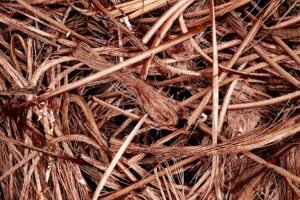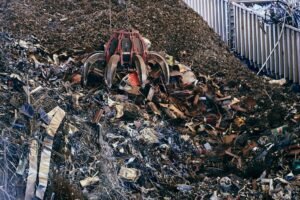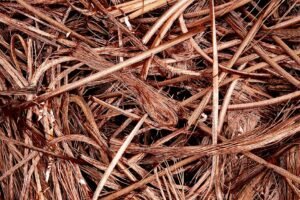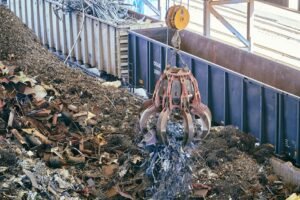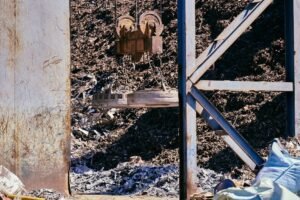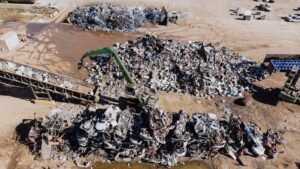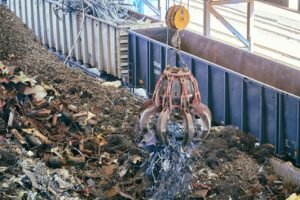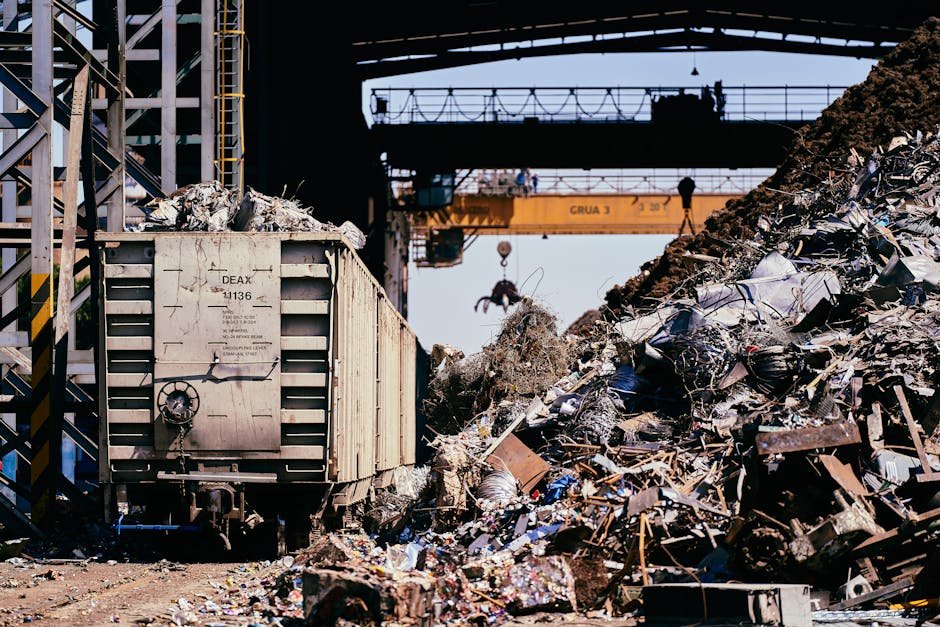

The term waste steel yard seven hills refers to one of the most active scrap steel processing centers in Western Sydney, New South Wales. This facility plays a pivotal role in Australia’s metal recycling ecosystem, handling large volumes of ferrous metal waste from construction, demolition, manufacturing, and automotive industries. As demand for sustainable resource recovery grows, understanding the operations, economic value, and environmental impact of the waste steel yard seven hills becomes essential for businesses and individuals alike.
What Is a Waste Steel Yard and Why Seven Hills Matters
The concept of a waste steel yard seven hills goes beyond just a storage lot for discarded metal. It functions as a central node in the regional scrap metal supply chain — a place where steel from decommissioned structures, industrial offcuts, and end-of-life vehicles is collected, sorted, processed, and prepared for recycling. Seven Hills, located in the Hills District of Greater Western Sydney, is strategically positioned near major transport corridors such as the M4 Motorway and Great Western Highway, making it an ideal location for a high-capacity scrap yard.
As urban development accelerates across Sydney’s west, demolition and construction activities generate vast quantities of mild steel and sheet metal waste. The waste steel yard seven hills recovers this material efficiently, reducing landfill use and supporting circular economy principles. These yards are typically licensed and regulated under NSW EPA guidelines, ensuring compliance with environmental standards for dust control, runoff management, and noise mitigation.
From a logistical standpoint, the Seven Hills area benefits from proximity to industrial zones in Blacktown, Toongabbie, and Penrith — all of which produce consistent streams of scrap steel. Metal recyclers operating in this region often serve small fabricators, engineering workshops, and large-scale contractors, offering on-site pickup, drop-off services, and competitive steel price per tonne rates. This positions the waste steel yard seven hills not just as a disposal point but as a value-added partner in industrial resource recovery.
Types of Steel Processed at the Waste Steel Yard Seven Hills
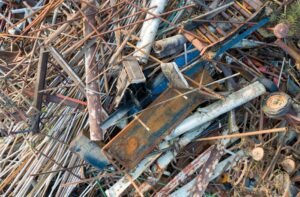
Not all steel is created equal, and understanding the different types accepted at the waste steel yard seven hills can help generators maximize returns and ensure compliance. The primary category handled is ferrous metal, which includes any steel containing iron — the most recyclable metal on Earth due to its magnetic properties and high market demand.
- Mild steel: The most common structural steel, used in beams, frames, pipes, and sheet metal products. Mild steel is highly recyclable and forms the backbone of scrap tonnage in this yard.
- Sheet metal: Thin, flat-formed steel used in roofing, ducting, appliances, and automotive panels. Clean, unpainted sheet metal typically fetches higher prices.
- Steel turnings and chips: Generated from machining operations in workshops. These are often oily or contaminated but can still be recycled through specialized processing.
- Reinforcing bar (rebar): Recovered from concrete demolition. Must be free of excessive concrete residue to qualify for top-tier pricing.
- Structural steel sections: I-beams, channels, and angles from commercial buildings and bridges.
- Steel drums and containers: Must be cleaned and depressurized before acceptance.
Each type of scrap steel is categorized upon intake, with pricing influenced by purity, weight, and preparation. For example, mixed loads with non-ferrous contamination or hazardous materials may be rejected or downgraded. Businesses generating machine shop waste like Steel Turnings Chips Buyers Machine Shop Waste can benefit from dedicated collection programs that separate oily turnings for dewatering and refining.
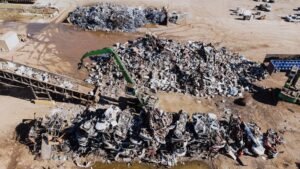
The waste steel yard seven hills uses industrial shredders, shears, and magnetic separators to process incoming loads. After sorting, the scrap is baled or compacted for efficient transport to electric arc furnace (EAF) steel mills, primarily located in Newcastle and Western Sydney. Recycled steel maintains its structural integrity across multiple life cycles, making it a cornerstone of sustainable manufacturing.
How Pricing Works: Steel Price Per Tonne in Seven Hills
One of the most frequently asked questions by suppliers is: What is the current steel price per tonne at the waste steel yard seven hills? Prices fluctuate based on global commodities markets, domestic demand, and the quality of the scrap. As of 2024, average ferrous scrap prices in Australia range from $300 to $500 per tonne, with clean, processed mild steel fetching rates at the higher end.
Several factors influence the final payout:
- Grade and cleanliness: Uncoated, rust-free mild steel with no contaminants (e.g., plastic, wood, or hazardous coatings) receives premium pricing.
- Volume: Large commercial deliveries often qualify for bulk rates and negotiated contracts.
- Market volatility: Global iron ore prices, Chinese steel demand, and energy costs all impact local scrap steel values.
- Processing level: Pre-sorted, cut-to-size scrap requires less labor and machinery time, increasing its value.
Generators can monitor trends via industry reports from the Australian Bureau of Statistics and the Australian Recycled Metal Association (ARMA). Many metal recyclers in Seven Hills offer price transparency through online portals or SMS alerts. For businesses seeking to compare options, the Steel Scrap Yard Vs Online Marketplace Comparison Guide For 2026 provides a detailed analysis of traditional scrap yards versus emerging digital platforms that offer real-time bidding and logistics coordination.
It’s also worth noting that some yards operate on a ‘net weight’ system, deducting tare weight from trucks and containers. Others may apply moisture or contamination deductions. Understanding these nuances ensures fair valuation and prevents disputes. For those exploring alternatives, an online marketplace like Scrap.Trade connects sellers directly with certified recyclers across Australia, streamlining transactions and improving price discovery.
How to Locate and Use the Scrap Steel Yard Seven Hills
Finding the right facility is crucial for efficiency and profitability. While multiple operators serve the Seven Hills area, the official scrap steel yard seven hills is accredited, equipped with weighbridges, and offers full documentation for GST-registered businesses. Whether you’re a homeowner clearing a garage or a fabrication shop managing daily offcuts, knowing how to access services makes a significant difference.
Here’s a step-by-step guide:
- Verify location and hours: Confirm the yard’s address, operating days, and drop-off times. Some facilities require appointments for large loads.
- Prepare your load: Sort materials, remove non-metallic attachments, and separate mild steel from contaminated or mixed scrap.
- Bring ID and documentation: NSW law requires photo ID for scrap metal transactions to combat metal theft. Businesses should provide ABN and invoice details.
- Weigh-in and inspection: Your load is weighed empty (tare), then full (gross). The difference is the net weight. Staff inspect for quality and category.
- Payment: Most yards offer instant payment via EFT, cash (for small amounts), or bank transfer.
For those searching beyond Seven Hills, the guide Steel Scrap Yard Near Me How To Find Sell And Maximize Profits helps users identify nearby recycling depots, compare rates, and optimize preparation techniques. This is especially useful for regional contractors or businesses operating across multiple sites.
The waste steel yard seven hills also supports local councils and waste management firms in diverting steel from landfill. Some depots partner with construction companies on deconstruction projects, offering on-site sorting and containerized collection. This integrated approach enhances recovery rates and reduces transport emissions.
Environmental and Economic Impact of Steel Recycling in Seven Hills
Recycling steel is one of the most environmentally beneficial industrial activities. The waste steel yard seven hills contributes significantly to Western Sydney’s sustainability goals by reducing reliance on virgin iron ore, lowering greenhouse gas emissions, and conserving energy. According to the World Steel Association, recycling one tonne of steel saves 1.1 tonnes of iron ore, 630 kg of coal, and 55 kg of limestone.
In energy terms, producing steel from recycled scrap uses up to 75% less energy than primary production via blast furnaces. This translates into tangible carbon savings — approximately 1.5 tonnes of CO₂ avoided per tonne of recycled steel. With Australia committed to net-zero emissions by 2050, facilities like the waste steel yard seven hills are critical infrastructure in the green transition.
Economically, the scrap metal sector supports thousands of jobs nationwide — from collection and sorting to processing and logistics. In NSW alone, the recycling industry contributes over $5 billion annually to GDP. The Seven Hills depot serves as both an employer and a business enabler, providing affordable raw material to downstream manufacturers and reducing input costs for local fabricators.
Moreover, metal recyclers in the area often invest in community initiatives, such as school STEM programs and vocational training for apprentices. By closing the loop on steel, the waste steel yard seven hills exemplifies how industrial activity and environmental stewardship can coexist.
Best Practices for Businesses Selling Scrap Steel
To maximize returns and maintain compliance, businesses should adopt a strategic approach to scrap steel management. Whether you operate a fabrication workshop, demolition crew, or maintenance facility, these best practices are proven to enhance profitability:
- Segregate at the source: Separate mild steel from stainless steel, copper, and aluminium. Contamination reduces value and may result in rejection.
- Cut and bundle long sections: Loose rebar or beams take up space and are harder to process. Use shears or torches to cut into manageable lengths (under 1.2 meters).
- Remove non-metallic attachments: Strip plastic, rubber, or wood from mixed waste. For example, clean wire from conduit before scrapping.
- Store dry and covered: Wet or rusted steel may be accepted but often incurs weight deductions due to moisture absorption.
- Track volumes and prices: Maintain records of deliveries, weights, and payouts to identify trends and negotiate better contracts.
- Partner with certified recyclers: Choose facilities licensed by the NSW EPA and members of ARMA to ensure ethical and legal compliance.
For machine shops, managing steel turnings and chips requires special attention. These materials often contain cutting fluids that must be removed before recycling. Some recyclers offer centrifuge or thermal reclamation services. Learn more at Steel Turnings Chips Buyers Machine Shop Waste, which details specialized buyers and processing methods.
Contractors involved in large-scale deconstruction should consider pre-demolition audits to identify high-value steel components. This proactive planning can increase recovery rates by up to 95%, aligning with Green Star and NABERS certification requirements.
Future of Scrap Metal Recycling in Western Sydney
The role of the waste steel yard seven hills is evolving in response to technological, regulatory, and market shifts. Automation, AI-driven sorting, and blockchain traceability are beginning to reshape the recycling depot landscape. For example, some advanced facilities now use sensor-based systems to identify alloy types and contamination levels in real time, improving accuracy and throughput.
Regulatory pressure is also increasing. The NSW Government’s Waste and Sustainable Materials Strategy 2041 targets a 70% recovery rate for construction and demolition waste by 2025. This mandates greater accountability and reporting from scrap yards and recyclers. Facilities in Seven Hills are expected to adopt digital manifests and chain-of-custody systems to comply.
Meanwhile, online marketplaces are challenging traditional models. Platforms like Scraptrade.com.au connect sellers with multiple buyers, enabling competitive bidding and transparent pricing. While physical scrap yards remain essential for processing, digital integration enhances accessibility and efficiency — especially for SMEs without dedicated logistics teams.
Looking ahead, the convergence of circular economy principles, decarbonization goals, and industrial innovation will only increase the strategic importance of sites like the waste steel yard seven hills. As Australia seeks to reduce import dependency and build domestic manufacturing resilience, recycled steel will play a central role in infrastructure, renewable energy, and defence projects.
Conclusion: The Strategic Role of the Waste Steel Yard Seven Hills
The waste steel yard seven hills is far more than a dumping ground — it’s a high-efficiency recycling hub that supports environmental sustainability, economic productivity, and industrial innovation. From processing everyday sheet metal offcuts to managing tonnage-scale demolition waste, this facility exemplifies best practices in ferrous metal recovery.
Understanding its operations, pricing mechanisms, and regulatory framework empowers businesses and individuals to participate effectively in the circular economy. Whether you’re selling mild steel beams, machine shop turnings, or rebar, proper preparation and partner selection can significantly impact your returns.
For those seeking alternatives or broader market access, digital platforms are reshaping the landscape. Explore the future of scrap trading through resources like the Steel Scrap Yard Vs Online Marketplace Comparison Guide For 2026 and find the right solution for your needs. And if you’re located in or near Western Sydney, the waste steel seven hills page offers location-specific details, contact information, and service updates.
By leveraging both physical infrastructure and digital tools, stakeholders can ensure that every kilogram of scrap steel is recovered, valued, and reborn into new applications — driving progress across Australia’s industrial and environmental frontiers.
Frequently Asked Questions
What types of steel are accepted at the waste steel yard seven hills?
The waste steel yard seven hills accepts all forms of ferrous metal, including mild steel, sheet metal, rebar, structural beams, and steel turnings. Materials must be free of excessive contamination, hazardous coatings, or non-metallic attachments to qualify for top-tier pricing.
How is the steel price per tonne determined in Seven Hills?
The steel price per tonne is based on global market rates, material grade, cleanliness, and volume. Clean, sorted mild steel fetches higher prices, while mixed or contaminated loads may be downgraded. Prices are updated regularly in response to international scrap and iron ore trends.
Do I need ID to sell scrap steel at the Seven Hills yard?
Yes, NSW law requires all individuals selling scrap metal to present valid photo ID to prevent metal theft. Businesses must provide their ABN and may need to supply invoices or delivery dockets for traceability.
Can I schedule a pickup for large scrap steel loads?
Many metal recyclers at the waste steel yard seven hills offer scheduled pickup services for commercial clients with large volumes. Contact the facility directly or use platforms like Scrap.Trade to arrange containerized collection and transport.