
Navigating the world of werribee scrap metal management requires a solid understanding of market dynamics, material classification, and the local regulatory landscape. Whether you are a tradesperson clearing a worksite or a homeowner looking to declutter, understanding the value of your materials is the first step toward a profitable and sustainable recycling process. As the industrial footprint of Melbourne’s west continues to expand, the demand for professional metal recovery services has never been higher, making it essential to connect with reliable scrap metal dealers near me to ensure you receive fair market value for your collection.
Understanding Metal Grades: Ferrous vs. Non-Ferrous
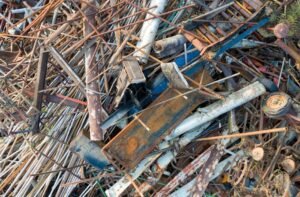
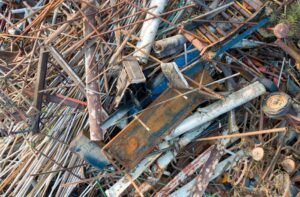
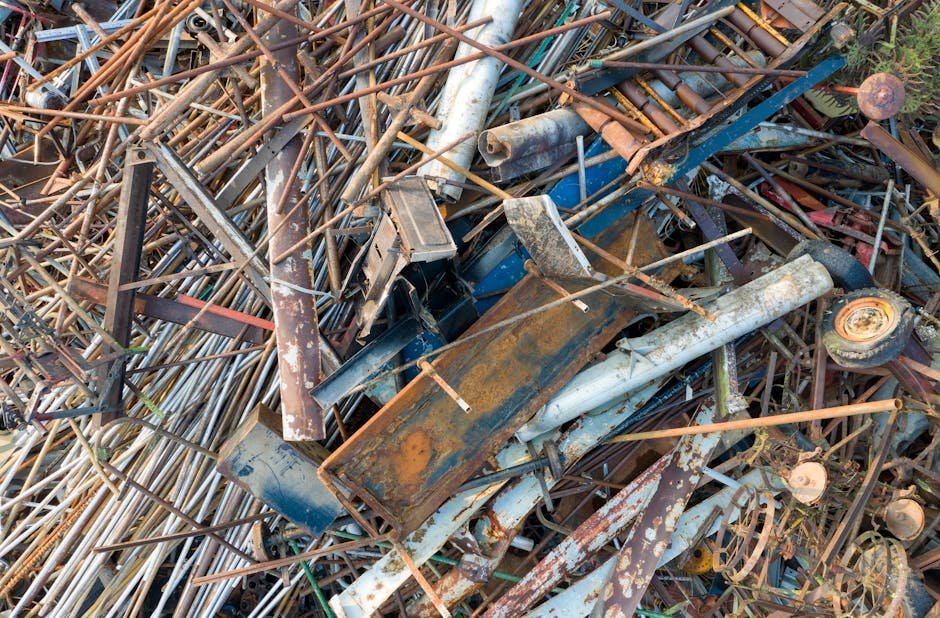
To maximize your return, you must first categorize your materials. Metal recycling is broadly split into two primary categories: ferrous and non-ferrous. Ferrous metals contain iron and include materials like steel, cast iron, and wrought iron. These are magnetic and are the most commonly recycled materials due to their prevalence in construction and automotive industries. In the Werribee region, construction sites often generate significant quantities of structural steel, which, while lower in price per kilogram than copper, provides volume-based profitability.
Non-ferrous metals—including copper, aluminium, brass, lead, and stainless steel—are non-magnetic and generally command a higher price at the scales. Copper, in particular, is the “gold standard” of the scrap industry. Whether it is bright and shiny wire, plumbing pipes, or heavy busbars, copper is highly sought after due to its infinite recyclability without loss of properties. When you decide to Sell Scrap Metal Near Me In 2026, ensure you have separated your copper from your brass and aluminium, as mixed loads are often downgraded to the price of the cheapest metal in the pile.
Understanding the specific grades is vital. For instance, aluminium comes in various forms: extrusion, cast, or sheet. Clean aluminium extrusions (like window frames) will always fetch more than contaminated cast aluminium. By dedicating time to sorting your materials before arriving at the yard, you effectively increase your hourly wage for the effort. If you are unsure about the current value of your haul, checking Scrap Metal Prices before you head out is a strategic move that saves time and prevents disappointment at the weighbridge.
The Lifecycle of Recycling: From Werribee to Industry
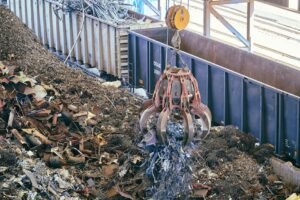
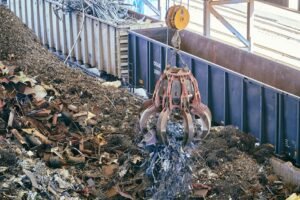
The process of recycling metals is a highly engineered sequence of events designed to maximize recovery rates. Once you drop off your materials, the yard undergoes a rigorous sorting process. Advanced facilities use electromagnetic separators to pull ferrous metals from the stream, while eddy current separators are employed to eject non-ferrous metals from the non-metallic residue. This technology ensures that almost nothing goes to waste.
After sorting, the metals are processed. Large items like car bodies or structural beams are fed into industrial shredders, which break them down into fist-sized pieces. This increases the surface-area-to-volume ratio, making it easier to remove contaminants like plastics, rubber, or glass. Once cleaned, the metal is baled or compacted for transport to smelters. These smelters then melt the scrap down into ingots, which are sold back to manufacturers to create everything from new car parts to beverage cans. This circular economy is what makes professional metal recycling services in Australia so critical to our national sustainability goals.
For those living in the outer western suburbs, finding a reputable facility for Scrap Metal Recycling Near Me is about more than just convenience. It is about choosing a partner that adheres to strict environmental standards and transparent weighing processes. A professional yard will provide you with a detailed receipt, ensuring you know exactly how much material was processed and the rate applied.
Environmental Benefits of Metal Recycling
The environmental case for recycling is overwhelming. Extracting raw ore from the earth is an energy-intensive process that leaves massive ecological scars. Mining requires the removal of topsoil, the diversion of water, and the release of greenhouse gases during the refining process. In contrast, recycling scrap metal uses a fraction of the energy required to produce virgin metal. For example, recycling aluminium saves approximately 95% of the energy compared to producing it from bauxite ore.
By participating in the werribee scrap metal circular economy, you are directly contributing to the reduction of carbon emissions. Furthermore, keeping metal out of landfills prevents heavy metals from leaching into the soil and groundwater. In a rapidly urbanizing area like Werribee, responsible waste management is a civic duty. Every tonne of steel recycled saves over a tonne of iron ore, 600kg of coal, and 50kg of limestone. This is not just a business transaction; it is an act of environmental stewardship that preserves resources for future generations. When you choose to recycle, you are supporting a global effort to reduce the demand for destructive mining practices.
Maximizing Your Returns: Practical Tips for Sellers
If you want to know how much for metal scrap you should expect, you need to treat your scrap like a commodity. First, strip your cables. While it takes time, removing the plastic insulation from copper wire significantly increases its grade and, consequently, its price. Second, keep your materials dry and clean. A pile of rusted, mud-caked steel is much harder to process than clean, dry scrap, and some yards may apply a deduction for excessive waste or “dirt” weight.
Third, build a relationship with your local yard. If you are a contractor or a business owner who generates regular waste, ask about commercial collection services. Many yards offer bin services, where they drop off a skip bin at your site and collect it once full. This removes the hassle of transport and ensures that you are consistently clearing your site, which improves safety and reduces the risk of theft or environmental hazards on your property. For further information on industry standards and market trends, you can always visit the leading platform for scrap metal trading to stay informed.
Finally, always prioritize safety. Metal can be sharp, heavy, and unpredictable. Wear appropriate PPE, including thick gloves and steel-capped boots, when handling scrap. If you are moving large quantities, ensure your vehicle is rated for the weight. Overloading your trailer is not only dangerous but can lead to significant fines. By following these best practices, you ensure that your experience with werribee scrap metal is both safe and financially rewarding.
The Future of Scrap Metal in Australia
As we look toward 2026 and beyond, the scrap metal industry is undergoing a digital transformation. Technology is making it easier for sellers to track prices in real-time, find local buyers, and understand the provenance of their materials. The integration of blockchain and advanced digital tracking in the recycling supply chain will likely become standard, ensuring that every piece of metal can be traced from the point of collection to its final destination as a new product.
The Australian government is also placing a greater emphasis on domestic processing capacity. Rather than exporting raw scrap to overseas markets, there is a growing push to refine and manufacture here. This creates local jobs and strengthens our supply chain resilience. For the individual in Werribee, this means that the scrap you drop off today might be processed in a nearby facility and turned into a component for a local infrastructure project. This localized loop is the hallmark of a mature, sustainable economy.
Common Pitfalls to Avoid
One of the most common mistakes beginners make is failing to distinguish between different types of alloys. For instance, not all stainless steel is the same; some grades contain nickel, which makes them much more valuable. If you treat all stainless steel as generic “scrap,” you are leaving money on the table. Always use a magnet to check for iron content and, if you have a large quantity of high-value material, consider investing in a handheld XRF analyzer or simply asking your dealer for an assessment.
Another pitfall is ignoring the “prep” work. If you have appliances, remove the electric motors and compressors. These are often made of high-grade copper and steel and should be separated from the main carcass of the appliance. The more you break down your scrap, the higher the grade and the better the price. Never attempt to burn wire to remove insulation, as this is illegal, creates toxic fumes, and actually ruins the quality of the copper, making it unsellable at top-tier rates.
The Economic Impact of Local Recycling
The scrap metal industry is a vital economic engine for the Werribee region. It provides a secondary income stream for households and essential waste management services for the construction and manufacturing sectors. By keeping the recycling loop local, we reduce the carbon footprint associated with transporting heavy materials across the state. Furthermore, the industry supports a network of transport, logistics, and processing jobs that keep the local economy vibrant. When you choose to recycle, you are supporting these local businesses and the broader Australian economy.
As the population in the west grows, the volume of scrap metal generated will only increase. This presents an opportunity for smarter, more efficient recycling programs. Whether it is through community collection events, improved municipal recycling, or private sector innovation, the goal remains the same: to extract maximum value from our waste. By staying informed and engaging with professional dealers, you play a pivotal role in this essential industry.
Conclusion: Taking Action Today
Recycling is more than just a chore; it is a smart financial and environmental decision. By understanding the grades of material, preparing your scrap correctly, and choosing the right partners, you can turn what others see as “junk” into a valuable resource. Whether you are clearing out a garage or managing a multi-tonne construction site, the principles remain the same: sort, clean, and sell to professionals who value transparency and efficiency.
The werribee scrap metal market is robust and ready to serve your needs. Take the time to research your local options, understand the current market rates, and commit to responsible disposal. By doing so, you contribute to a cleaner, more sustainable future for Victoria while putting cash back in your pocket. Start by auditing your current scrap pile today and see just how much value you have been sitting on all this time.
Frequently Asked Questions
What is the most valuable type of scrap metal?
Copper is generally the most valuable common scrap metal due to its high demand in electrical and plumbing industries. However, specific alloys like high-grade stainless steel or titanium can also command very high prices depending on their composition.
Do I need to clean my scrap metal before selling it?
Yes, cleaning your scrap by removing non-metal attachments like plastic, rubber, or excessive dirt significantly increases its value. Clean, sorted metal is easier for recyclers to process and will almost always fetch a better price than contaminated, mixed loads.
Why is it illegal to burn wire to remove insulation?
Burning wire releases toxic chemicals into the air, which is harmful to the environment and human health. Additionally, burning damages the copper, making it brittle and oxidized, which reduces its quality and prevents it from being sold at the highest market rates.
How often do scrap metal prices change?
Scrap metal prices are highly volatile and can fluctuate daily based on global commodity markets, supply and demand, and currency exchange rates. It is recommended to check current prices on the day you plan to sell your materials.