
Understanding the intricacies of west metals recycling is essential for businesses, tradespeople, and industrial operators looking to optimize their waste management strategies. As Australia moves toward a circular economy, the efficiency of metal recovery has become a cornerstone of both environmental sustainability and economic profitability. Whether you are a small workshop looking to offload copper offcuts or a large-scale demolition contractor managing tons of steel, navigating the complexities of the scrap market requires expert knowledge and reliable partnerships.
The Evolution of Metal Recycling in Australia
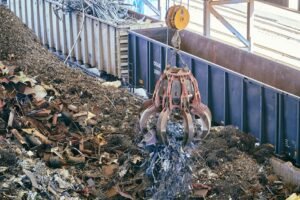
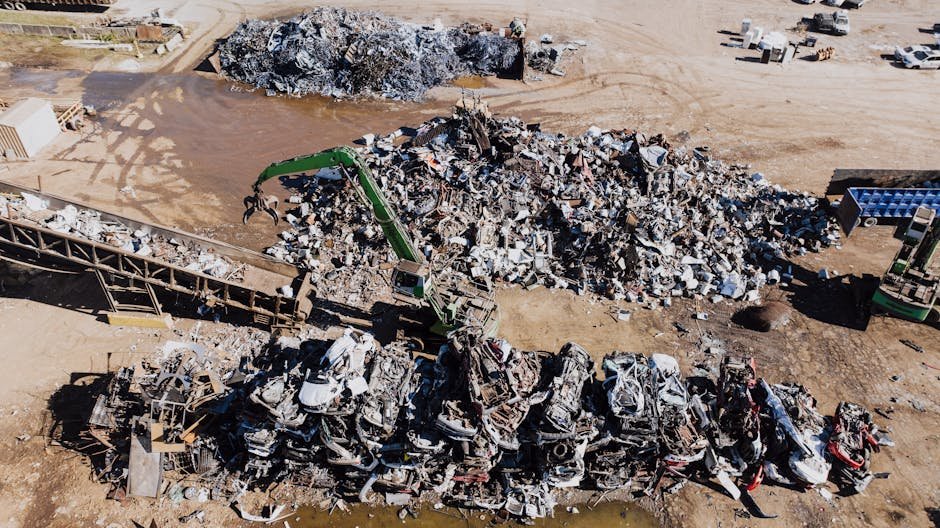
The Australian scrap industry has undergone a significant transformation over the last decade. Historically viewed as a peripheral activity, the recovery of metals is now a sophisticated industrial sector. When discussing west metals recycling, we are looking at a process that begins with the systematic collection of end-of-life products and concludes with the manufacturing of high-grade raw materials. This evolution is driven by the need to reduce the carbon footprint associated with virgin mining. By processing scrap, we reduce energy consumption, conserve natural resources, and minimize landfill waste. The global metals recycling landscape is currently shifting toward more advanced sorting technologies, such as X-ray fluorescence (XRF) and sensor-based sorting, which allow for higher purity levels in recovered metals. This technological leap ensures that materials like aluminum, copper, and stainless steel can be recycled indefinitely without losing their structural integrity. For those searching for local infrastructure, finding Scrap Metal Recycling Near Me is the first step in integrating your business into this high-efficiency supply chain.
Understanding Ferrous vs. Non-Ferrous Metals
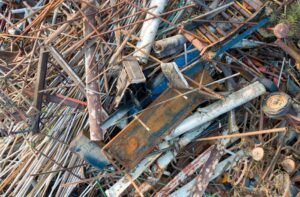
To maximize the returns from your scrap, you must distinguish between ferrous and non-ferrous materials. Ferrous metals, which contain iron, are magnetic and generally include steel, iron, and cast iron. These are the backbone of construction and automotive manufacturing. Conversely, non-ferrous metals—such as copper, aluminum, lead, zinc, and brass—do not contain iron, are non-magnetic, and are highly resistant to corrosion. In the context of west metals recycling, non-ferrous materials typically command a higher market price due to their scarcity and the energy-intensive nature of their primary extraction. When you search for Metal Recycling Near Me, you will notice that facilities often specialize in one or both categories. It is vital to separate these materials at the source. Mixing high-value copper with low-value steel can lead to significant profit loss and processing inefficiencies. By maintaining clean, sorted scrap, you contribute to a more efficient Recycling Community that prioritizes quality and transparency in every transaction.
The Environmental Impact of Scrap Processing
The environmental argument for metal recycling is overwhelming. Extracting ore from the earth is an energy-intensive process that involves massive land disruption, water usage, and greenhouse gas emissions. In contrast, recycling scrap metal uses significantly less energy—for instance, recycling aluminum requires 95% less energy than producing it from bauxite ore. As a leader in the industry, Scrap Trade provides the necessary data and connectivity to ensure that scrap is handled with the highest environmental standards. By choosing a reputable recycler, you ensure that your materials are diverted from landfills and processed in facilities that adhere to strict Australian environmental regulations. For specific local services, many residents in Sydney look for metal recycling greenacre to ensure their waste is handled by authorized, compliant facilities. This local focus is critical to reducing transportation emissions and supporting the domestic economy.
Best Practices for Preparing Your Scrap Metal
Maximizing the value of your scrap requires preparation. Many recyclers offer tiered pricing based on the cleanliness and grade of the material. Follow these expert tips to ensure you get the best market rates:
- Sort by Metal Type: Always separate steel, aluminum, copper, and brass. Mixing metals forces the recycler to perform manual sorting, which often results in a lower “mixed scrap” price.
- Remove Non-Metal Contaminants: Plastic, wood, glass, and rubber are considered “trash” by recyclers. Removing these items before arrival speeds up the weighing process and prevents deductions from your payout.
- Clean Your Copper: If you are dealing with copper wiring, removing the plastic insulation (if safe and efficient to do so) can significantly increase the value per kilogram.
- Dismantle Large Items: If you have large appliances or machinery, breaking them down into smaller, manageable pieces makes transport easier and allows the recycler to assess the quality of the internal components more accurately.
- Keep Records: For businesses, maintaining a log of the weight and type of metal recycled is important for both tax purposes and ESG (Environmental, Social, and Governance) reporting.
For more detailed guides on how to manage your scrap inventory, visit Scrap Trade Australia to access resources designed for industrial and commercial scrap generators.
The Future of Metal Recovery: Technology and Innovation
The future of the scrap industry is defined by digital transformation and advanced material science. We are seeing the rise of blockchain-based supply chains that track the lifecycle of metals from the point of origin to the final product. This level of traceability is becoming increasingly important for manufacturers who need to prove the recycled content of their products to meet regulatory requirements. Furthermore, AI-driven sorting machines are now capable of identifying metal alloys with near-perfect accuracy, allowing for the recovery of rare earth metals from electronic waste. This is particularly relevant for the growing EV battery market, where the recovery of lithium, cobalt, and nickel is set to become a multi-billion dollar industry. As these technologies become more accessible, the barrier to entry for smaller recyclers will decrease, fostering a more competitive and innovative market. Staying informed through industry hubs is the best way to keep pace with these rapid changes.
Safety Protocols in Metal Handling
Handling scrap metal is inherently dangerous. Whether you are dealing with sharp edges, heavy machinery, or hazardous materials like lead or mercury (often found in older electronics), safety must be your top priority. Always wear appropriate Personal Protective Equipment (PPE), including heavy-duty gloves, steel-toed boots, and high-visibility clothing. If you are dismantling equipment, ensure that all power sources are disconnected and that no pressurized systems remain. Furthermore, be aware of the environmental risks associated with leaking fluids in old automotive parts. Responsible recyclers have specific protocols for capturing and disposing of these hazardous substances. Never attempt to process materials that you cannot identify; consult with your local recycling facility if you are unsure about the composition or safety of a specific item. Safety is not just about personal protection; it is about ensuring that the entire supply chain remains free of hazardous materials that could contaminate the recycling stream.
Economic Benefits of a Robust Recycling Hub
A strong local recycling hub provides more than just environmental benefits—it acts as a catalyst for local economic development. By creating jobs in collection, processing, and logistics, the industry supports a wide range of skill sets. Moreover, by keeping scrap metal within the domestic loop, Australian manufacturers gain access to high-quality raw materials at more stable prices, shielding them from the volatility of international commodity markets. This is particularly important for the manufacturing sector, which relies on consistent supply chains to remain competitive. When companies invest in proper waste management, they are not just cleaning up their sites; they are contributing to a circular economy that values resource efficiency. The integration of digital platforms into this ecosystem allows for real-time pricing updates and streamlined logistics, ensuring that the movement of scrap is as efficient as the movement of finished goods. By participating in this market, you are supporting a sustainable future for Australian industry.
Conclusion: Taking Action in the Scrap Market
The world of scrap metal is vast, complex, and essential to the modern economy. Whether you are an individual recycler or a large-scale industrial operator, your actions contribute to the global effort to conserve resources. By understanding the nuances of material grading, safety protocols, and the importance of choosing the right partners, you can turn your waste into a valuable asset. The shift toward sustainable practices is no longer optional; it is a business imperative. As we look toward a future where resources are increasingly scarce, the ability to recover and reuse metal will define the success of our industrial sector. We encourage you to engage with the professional recycling community, stay updated on market trends, and always prioritize quality in your collection efforts. Through collective action and informed decision-making, we can build a more resilient and sustainable metal supply chain for Australia.
Frequently Asked Questions
What is the difference between ferrous and non-ferrous metals?
Ferrous metals contain iron and are magnetic, such as steel and iron. Non-ferrous metals do not contain iron, are non-magnetic, and include valuable materials like copper, aluminum, and brass.
How can I get the best price for my scrap metal?
To maximize your returns, ensure your scrap is clean, free of non-metal contaminants like plastic or wood, and properly sorted by metal type before you take it to the recycling facility.
Why is it important to recycle metal instead of mining new ore?
Recycling metal significantly reduces energy consumption and greenhouse gas emissions compared to mining virgin ore. It also preserves natural resources and keeps waste out of landfills.
Are there safety risks associated with scrap metal recycling?
Yes, handling scrap metal involves risks such as sharp edges, heavy objects, and potential exposure to hazardous materials. Always wear appropriate PPE and follow safety guidelines when dismantling or transporting scrap.