
When considering the landscape of industrial sustainability, western metal recyclers play a pivotal role in the circular economy of Australia. By diverting tons of ferrous and non-ferrous metals from landfills, these facilities ensure that valuable resources are reintegrated into the manufacturing supply chain. Whether you are a tradesperson, a construction firm, or a homeowner, understanding how these facilities operate is the first step toward responsible waste management. If you are looking for local solutions, you might want to Sell Scrap Metal Near Me In 2026 to ensure you are getting the most value for your materials.
Understanding the Metal Recycling Process
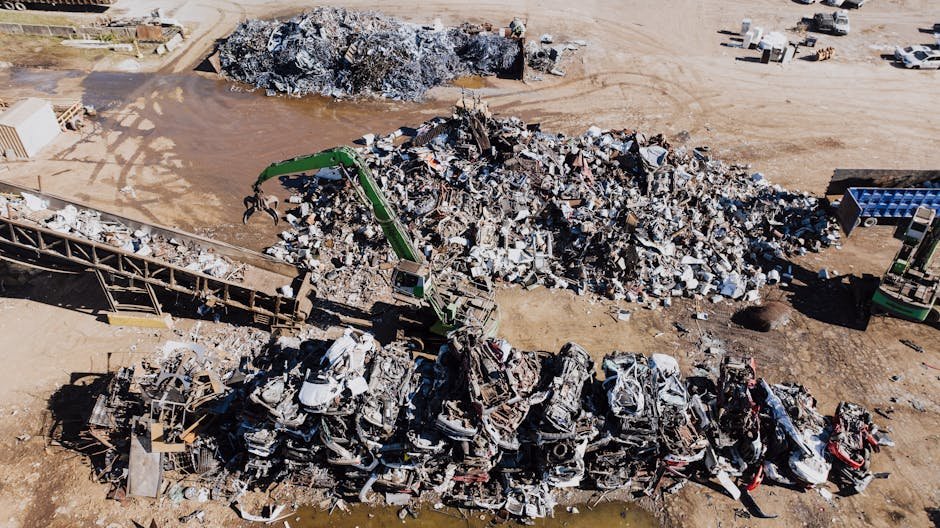
The journey of scrap metal from a discarded item to a high-grade industrial material is a sophisticated process that requires precision and specialized technology. Western metal recyclers employ a multi-stage workflow to ensure purity and efficiency. The process begins with collection, where metals are gathered from various sources, including demolition sites, automotive workshops, and residential clean-outs. Once the material reaches the recycling centre, it undergoes a rigorous sorting phase. Advanced technology, such as magnetic separation and X-ray fluorescence (XRF) analyzers, is used to distinguish between different grades of copper, aluminium, steel, and brass.
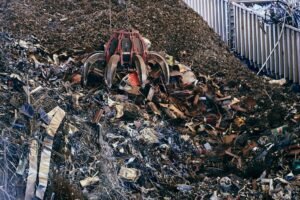
After sorting, the metals are cleaned to remove contaminants like plastic, rubber, or non-metallic debris. This is crucial because even minor impurities can compromise the quality of the final product. The metals are then shredded or compacted into dense bales, which makes them easier to transport and process. Finally, the scrap is melted in large-scale furnaces to create ingots or billets, which are sold to manufacturers to create new products. This closed-loop system is why many people search for Scrap Metal Recycling Near Me to find reliable local partners. By choosing reputable recyclers, you ensure that your waste is handled in compliance with strict environmental regulations.
Drop-off vs. Pickup: Choosing the Right Service
One of the most common questions for those dealing with scrap metal is whether to utilize a drop-off or a pickup service. Each option has its own advantages depending on the volume and type of material you have. A drop-off at a professional facility is often the most cost-effective solution for smaller loads, such as household appliances, copper wiring, or small amounts of aluminium. It allows you to visit the facility, have your metal weighed, and receive payment on the spot. It is a straightforward process that provides immediate results.
Conversely, a professional pickup service is tailored for large-scale operations, such as construction sites, factory clearances, or heavy machinery decommissioning. These services often involve the deployment of skip bins or flatbed trucks to your location, significantly reducing the logistical burden on your team. When evaluating your options, consider the safety risks associated with transporting heavy or sharp materials. If you have a significant volume of industrial scrap, a pickup service is not just a matter of convenience; it is a matter of workplace safety. Always check current Scrap Metal Prices before scheduling a pickup to ensure you understand the market value of your specific metal grades.
The Environmental Benefit of Metal Recycling
The environmental benefit of recycling metal is profound and measurable. Mining virgin ore is an energy-intensive and ecologically destructive process that involves massive land clearing, chemical leaching, and significant carbon emissions. By contrast, recycling existing metal requires only a fraction of the energy. For instance, recycling aluminium saves approximately 95% of the energy required to produce it from raw bauxite ore. This massive reduction in energy consumption directly translates to a lower carbon footprint for the entire manufacturing sector.
Furthermore, recycling metal prevents the accumulation of hazardous waste in landfills. Metals like lead, mercury, and cadmium can leach into soil and groundwater if not disposed of correctly. Western metal recyclers mitigate this risk by providing a safe, regulated environment for the processing of these materials. By participating in this system, individuals and businesses contribute to a more sustainable future. For those interested in regional players, comparing services with young metal recyclers or artarmon metal recyclers can provide insight into how different facilities manage their specific local waste streams and environmental commitments.
Navigating Market Fluctuations and Pricing
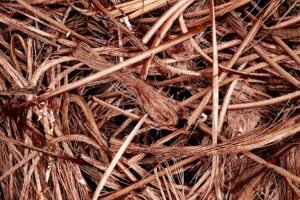
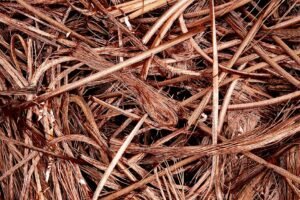
Metal prices are notoriously volatile, influenced by global commodity markets, industrial demand, and geopolitical factors. Understanding these fluctuations is essential for anyone looking to maximize the return on their scrap. The price you receive at a recycling centre is determined by the purity of the metal, the current global demand, and the cost of processing. For example, clean, bright copper wire will almost always command a higher price than insulated copper cable due to the labor required to strip the insulation.
To stay ahead of the curve, it is wise to monitor market trends. Many professional recyclers provide updated price lists or newsletters. When you are ready to sell, ensure your scrap is sorted by type. Mixing metals often results in a lower overall price, as the recycler must spend more time and energy separating them. By taking the time to organize your materials—separating ferrous metals like steel and iron from non-ferrous metals like copper, brass, and aluminium—you demonstrate to the recycler that you are a professional and reliable source, which can lead to better long-term relationships and potentially better pricing tiers.
Safety Protocols and Best Practices
Safety is the cornerstone of any reputable metal recycling operation. Whether you are visiting a facility or managing a pickup, there are standard protocols that must be followed to prevent injury. Heavy machinery, sharp edges, and high-voltage components are common in the scrap industry. When preparing your metal for transport, ensure that it is secured properly in your vehicle or container. Avoid overloading your vehicle, as this can cause instability and dangerous road conditions.
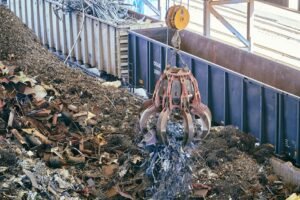
At the recycling facility, always follow the instructions of the staff. They are trained to direct traffic and manage the heavy equipment used to move scrap. Never attempt to handle materials that could be hazardous, such as pressurized gas cylinders, sealed containers, or radioactive materials. These items require specialized handling and should be disclosed to the recycler immediately. By adhering to these safety practices, you protect yourself, your employees, and the workers at the recycling facility. For a comprehensive overview of industry standards, you can visit the Scrap Trade portal to learn more about industry best practices.
The Future of Metal Recycling in Australia
The Australian metal recycling industry is entering a new era characterized by increased automation and a stronger focus on sustainability. As the nation moves toward a more circular economy, the role of western metal recyclers will continue to expand. We are seeing a shift toward more sophisticated sorting technologies, such as AI-driven robotics and advanced spectroscopic sensors, which allow for the recovery of metals that were previously considered “unrecyclable.”
This technological evolution is coupled with a growing public awareness of the importance of resource recovery. Businesses are increasingly being held accountable for their waste, leading to a surge in demand for transparent and ethical recycling partners. If you are a business owner, integrating a robust metal recycling strategy into your operations is not just good for the planet—it is a competitive advantage. You can find more resources on how to optimize your waste management strategies by visiting Scraptrade Australia, which provides comprehensive data and support for the industry.
Economic Impact and Local Employment
Beyond the environmental advantages, the metal recycling industry is a significant economic driver. It provides thousands of jobs across Australia, from collection and logistics to high-tech processing and international trade. By supporting your local recycling centre, you are contributing to the local economy and helping to maintain a vital industrial infrastructure. These facilities are often the backbone of regional industrial zones, providing essential services that keep other sectors, such as construction and automotive manufacturing, running smoothly.
Furthermore, the export of processed scrap metal is a major component of Australia’s trade balance. By refining our scrap domestically and selling it to global markets, we turn a potential waste problem into a valuable export commodity. This cycle of recovery and trade is essential for maintaining a healthy and resilient economy. Whether you are a small-scale recycler or a large industrial partner, your contributions are part of a much larger, global effort to conserve resources and drive economic growth.
Conclusion: Taking Action Today
Recycling is more than just a chore; it is a fundamental responsibility in the modern world. By choosing to work with professional western metal recyclers, you ensure that your materials are handled with the highest standards of safety and environmental care. From sorting your scrap to choosing the right pickup service, every action you take has a positive impact on the environment and the economy. Whether you are looking to clear out a garage or manage a massive construction site, the path forward is clear: recycle, reuse, and reduce. Start your journey toward better waste management today by connecting with reputable local recyclers and staying informed about the latest market developments.
Frequently Asked Questions
What items are commonly accepted by western metal recyclers?
Most recyclers accept a wide range of ferrous and non-ferrous metals, including copper wire, aluminium cans, steel beams, brass fittings, lead-acid batteries, and old machinery. It is best to call ahead if you have unique items like industrial equipment or large appliances to ensure they have the capacity to process them.
How can I get the best price for my scrap metal?
To maximize your return, sort your metals by type before arriving at the recycling centre, as mixed loads are often valued at the lowest common denominator. Additionally, ensure your scrap is clean of contaminants like plastic, wood, or dirt, and monitor market price fluctuations to sell when demand is high.
Is there a minimum amount required for a pickup service?
Most recyclers do have a minimum weight or volume requirement for their pickup services to make the logistics cost-effective. It is recommended to contact your local provider to discuss your specific volume and whether it meets their threshold for a scheduled collection.
Why is it important to separate ferrous and non-ferrous metals?
Ferrous metals contain iron and are magnetic, while non-ferrous metals like copper, aluminium, and brass do not contain iron and are non-magnetic. Separating them is critical because they are processed using different methods and hold significantly different market values, ensuring you receive the correct payment for each grade.