
Navigating the world of metal scrap can be a lucrative and environmentally responsible endeavour. Whether you’re a homeowner clearing out the garage or a contractor managing industrial waste, understanding the fundamentals is key. This comprehensive guide will walk you through everything you need to know about metal scarp, from identification and sorting to maximising your returns at a local yard.
What Exactly is Metal Scrap?
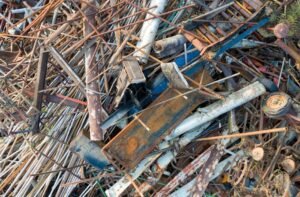
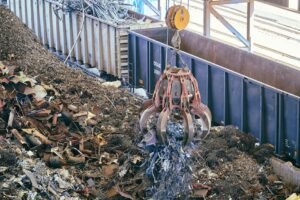
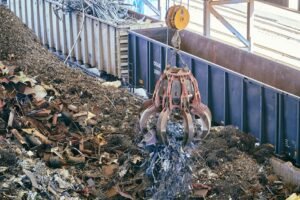
At its core, metal scrap is any discarded item that is predominantly made of metal and has reached the end of its useful life. This doesn’t mean it’s worthless; far from it. This material is a vital feedstock for the manufacturing industry, destined to be melted down and reborn as new products. Effectively dealing with metal scrap involves knowing where to take it. A quick search for Metal Recycling Near Me will connect you with licensed facilities that ensure the process is handled safely and efficiently.
Common Types of Metal Scrap and How to Identify Them
Not all scrap metal is created equal. Its value is primarily determined by the type of metal and its purity. Broadly, scrap is categorised into two main groups: ferrous and non-ferrous.
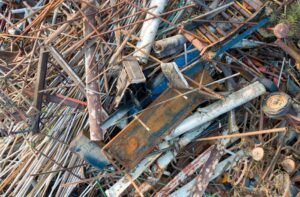
- Ferrous Metals: These contain iron and are magnetic. Think of old car bodies, structural steel from buildings, and iron pipes. They are heavy and typically have a lower value per kilogram than non-ferrous metals but are recycled in enormous volumes.
- Non-Ferrous Metals: These do not contain iron and are not magnetic. This category includes highly valuable metals like copper (from wiring), aluminium (from cans and window frames), brass (from fixtures), and stainless steel. Identifying and separating these can significantly increase your payout.
Staying informed on current Metal Prices is crucial for anyone serious about selling, as market rates fluctuate daily based on global demand.
The Powerful Benefits of Recycling Metal Scrap
The recycling of metal scarp is a cornerstone of the modern circular economy. The benefits are twofold, offering tremendous environmental and economic advantages. Environmentally, recycling metal uses up to 95% less energy than producing new metal from virgin ore. It also conserves natural resources and reduces the amount of waste sent to landfill. Economically, it provides a raw material for foundries that is much cheaper than virgin ore, reducing manufacturing costs. It also creates a thriving industry and, for you, a source of extra income. For a deeper dive into the process, reaching out to professional metal recyclers can provide valuable insights.
How to Prepare and Sell Your Scrap Metal
To get the best price for your materials, a little preparation goes a long way. First, sort your metals by type. Use a magnet to separate ferrous from non-ferrous. Clean your metals by removing any non-metallic attachments like plastic, rubber, or glass. Contaminated loads often receive a lower price. Then, find a reputable buyer like Scrap.Trade or ScrapTrade.com.au. Weigh your sorted and cleaned metals so you have an idea of what to expect. The process of selling is constantly evolving, so for a modern take, check out our guide on how to Sell Scrap Metal Near Me In 2026.
In conclusion, understanding the value and process of handling metal scrap is immensely beneficial. It turns what would be waste into a valuable commodity, supporting both your wallet and the planet’s health. By properly identifying, sorting, and connecting with the right recycling partners, you can ensure your metal scarp is put to the best possible use.
Frequently Asked Questions
What is the most valuable type of metal scrap?
Non-ferrous metals typically hold the highest value. Copper is often the most sought-after due to its excellent conductivity and widespread use in electrical wiring. Clean, stripped copper wire commands a premium price, followed by metals like brass, aluminium, and stainless steel.
Do I need to sort my metal scrap before taking it to a yard?
Yes, sorting is highly recommended and can significantly increase your payout. Yards pay different rates for different metals. By separating ferrous (magnetic) from non-ferrous (non-magnetic) metals and further sorting non-ferrous into like kinds (e.g., copper, aluminium, brass), you ensure you get the correct price for each type.
How is the price for scrap metal determined?
Scrap metal prices are determined by the global market demand for raw materials, the type and purity of the metal, and the weight of your load. Prices fluctuate daily based on commodities markets. Local factors like transportation costs and the yard’s operational expenses also play a role in the final offered rate.
Why is recycling metal scrap important for the environment?
Recycling metal scrap is crucial for sustainability. It conserves natural resources by reducing the need for virgin ore mining. It also saves enormous amounts of energy—recycling aluminium uses about 95% less energy than producing it from raw materials—which dramatically reduces greenhouse gas emissions associated with metal production.