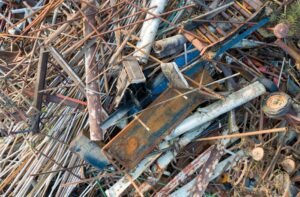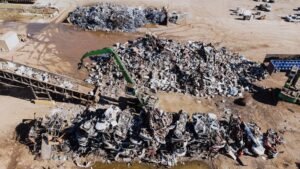

Understanding the price for dirty copper is essential for anyone involved in the Australian recycling industry, from trade professionals to DIY renovators. While everyone aims to sell high-grade materials, the reality of demolition and renovation often results in a collection of mixed, contaminated, or low-grade scrap. Navigating this market requires an understanding of how scrap yards categorize material and why the price for dirty copper is significantly lower than that of premium grades like bare bright copper. If you are looking to liquidate your inventory, finding the right facility is key; you can explore Scrap Copper Near Me Where To Sell Copper Scrap For The Best Price to ensure you are dealing with reputable buyers who offer transparent pricing.
What Defines Dirty Copper in the Australian Market?
In the world of metal recycling, “dirty” is a technical term rather than a measure of cleanliness. It refers to copper that has been compromised by foreign materials, making it difficult to melt down or process in its current state. Unlike copper pipe that is clean and free of fittings, dirty copper often includes items that have been soldered, painted, or attached to other metals. For instance, copper wire that still has its plastic insulation attached is often classified as a lower grade than stripped wire. When you are looking to Sell Copper How To Get The Best Price For Copper Scrap, understanding these distinctions is the first step toward maximizing your profit margins.
The classification of dirty copper typically includes items with brass fittings, steel valves, or heavy oxidation. Because the recycling process requires these materials to be separated before the copper can be smelted, yards must invest labor and energy into cleaning the scrap. This is why the price for dirty copper is adjusted downward; the buyer is essentially charging you for the labor required to refine the product. Whether you are dealing with industrial offcuts or residential plumbing waste, knowing how to sort your scrap effectively can make a significant difference in your final payout.
How Global Metal Prices Today Influence Local Rates
The Australian scrap market does not operate in a vacuum. It is heavily influenced by global supply and demand, specifically the London Metal Exchange (LME). When you check metal prices today, you are looking at the base rate for pure copper, which then filters down to the scrap yards. However, the price you receive at the scale is a “net” price, which accounts for the yard’s overhead, logistics, and the refining cost of the specific grade of copper you are selling.
When global demand for copper is high, the gap between clean and dirty copper prices often narrows because the scrap is in such high demand that refineries are willing to pay more for lower-grade material. Conversely, in a market with low demand, the spread widens significantly. For those tracking the copper scrap price per kg, it is vital to keep an eye on these global trends. You can visit the leading scrap trading platform to stay updated on how these shifts impact your local return. By staying informed, you can choose the right time to sell your accumulated scrap rather than offloading it when market conditions are unfavorable.
The Hierarchy of Copper Scrap: From Bare Bright to Dirty
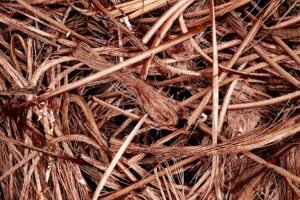
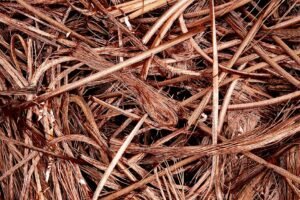
To understand why your material is classified as dirty, you must understand the hierarchy of copper grades. At the top of the list is bare bright copper, which consists of clean, unalloyed, uncoated, and uninsulated wire. Because this material is essentially ready to be melted, it commands the highest price. Below that, we find number 2 copper, which may have some minor impurities like solder or light oxidation. Then, we reach the category of dirty copper, which includes items that require significant mechanical separation.
Many sellers make the mistake of assuming all copper is equal. In reality, a load of high-quality scrap copper that has been properly sorted will always fetch a better price than a mixed bin of “dirty” items. If you have a large volume of material, it is often worth your time to strip the insulation off your copper wire or cut away steel fittings before taking it to the yard. You can learn more about the specific differences in value by reading our guide on Scrap Copper, which breaks down the grading process in detail.
Is Stripping Your Copper Worth the Effort?
A common question among scrap collectors is whether the time spent stripping insulation or removing fittings actually pays off. The price of stripped copper is substantially higher than that of insulated wire, but the process is labor-intensive. If you have a professional-grade wire stripping machine, the answer is almost always yes. If you are doing it by hand with a utility knife, you must calculate your hourly rate against the price difference.
For many, the goal is to reach the highest possible grade. If you can move your material from the “dirty” category to “number 2” or “bare bright,” you are effectively increasing your profit per kilogram. However, be cautious: some yards will reject material if they suspect it has been stripped poorly or if the remaining copper is too heavily damaged. Always consult with your local scrap yard, such as those listed at Australia’s premier scrap trading network, to understand their specific requirements for clean material.
Factors Affecting the Cost and Value of Scrap
Several factors beyond the LME price influence the value of your scrap. Logistics play a huge role; if you are selling a small amount of material, the cost of transport might eat into your profits. Furthermore, the volume of material you bring to the yard can change the price. Many yards offer tiered pricing for commercial quantities, meaning the more you have, the better your copper scrap price per kg will be.
Another factor is the presence of “tramp elements.” These are impurities like lead, tin, or iron that are difficult to remove from the copper melt. If your dirty copper contains high levels of these elements, the yard may classify it as even lower than standard dirty copper. Understanding these metallurgical requirements helps you sort your scrap more effectively. By segregating your metals at the source—keeping copper separate from brass, lead, or steel—you ensure that you get the maximum value for every load you deliver.
Sustainable Recycling and the Circular Economy
Copper is one of the most sustainable materials on the planet because it can be recycled infinitely without losing its properties. When you sell your dirty copper to a reputable yard, you are contributing to a circular economy. The scrap is processed, refined, and reintroduced into the manufacturing supply chain, reducing the need for destructive mining practices. This is why the industry is so focused on accurate grading and efficient processing.
By participating in the recycling system, you are not just making money; you are supporting a vital environmental initiative. The demand for recycled copper continues to grow as the world shifts toward renewable energy and electric vehicles, both of which rely heavily on high-quality copper. As a result, the market for scrap is likely to remain robust. Keeping your scrap clean and properly sorted is a service to the industry that ensures the highest quality of recycled metal makes it back into the market.
Practical Tips for Maximizing Your Scrap Returns
1. Sort at the Source: Don’t wait until you get to the yard to sort your scrap. Keep different grades in separate bins. Mixing bare bright with dirty copper will usually result in the entire load being graded at the lower price.
2. Clean When Possible: If you have copper pipes with brass fittings, use a hacksaw to remove the fittings. Brass is a valuable metal on its own, and selling it separately will yield more money than selling it as part of a dirty copper load.
3. Build Relationships: If you are a regular seller, talk to the yard manager. Establishing a relationship can lead to better pricing or priority service, especially if you provide clean, well-sorted material that is easy for them to process.
4. Check Current Prices: Prices change daily. Before you head out, check the current scrap prices online. This gives you a baseline to work from and helps you identify which yards are offering the most competitive rates in your area.
5. Safety First: Scrap metal can be sharp and heavy. Always wear gloves, eye protection, and sturdy boots when handling copper. Never attempt to strip energized cables or handle hazardous materials that may be attached to your scrap.
The Future of Copper Recycling in Australia
The Australian scrap metal industry is becoming increasingly digitized. Platforms are making it easier than ever to track market trends and find buyers. As we move forward, the focus will be on better separation technologies and more transparent pricing models. For the individual seller, this means more opportunities to get a fair deal for their material. Whether you are dealing with small residential projects or large-scale industrial demolition, the key to success remains the same: knowledge is power.
By staying updated on the factors that influence the price for dirty copper, you can turn what many consider “trash” into a significant revenue stream. Remember that the scrap market is dynamic. What is considered a low-value item today could be highly sought after tomorrow. Keep your scrap clean, keep your documentation in order, and always choose to work with certified, reputable recycling facilities. This approach ensures that you are not only getting the best return on your investment but also supporting a sustainable and efficient industry that powers the modern world.
Related: price of stripped copper
Related: copper scrap price per kg
Frequently Asked Questions
Why is dirty copper worth less than bare bright copper?
Dirty copper contains contaminants like insulation, solder, or steel attachments that require additional labor and energy to remove. Bare bright copper is clean and ready for immediate smelting, which is why it commands a premium price.
How often do scrap copper prices change?
Scrap copper prices typically fluctuate daily based on the London Metal Exchange (LME) and local market demand. It is advisable to check current rates on the day you plan to sell your material.
Should I strip my copper wire before selling it?
If you have the proper tools and time, stripping insulation can significantly increase the value of your copper. However, ensure the cost of your time does not exceed the extra profit you would make from the higher grade.
What is the best way to sort my scrap for the highest price?
Sort your metal by grade, keeping bare bright, number 2, and dirty copper in separate containers. Removing non-copper attachments like steel valves or brass fittings before you reach the yard will also help you secure the best possible price.