If you are wondering where can i sell my car for scrap near me, you are likely looking for a streamlined, profitable, and environmentally responsible way to dispose of an end-of-life vehicle. Navigating the Australian scrap market requires understanding how local wreckers operate, how to value your vehicle’s weight and parts, and how to verify the legitimacy of a scrap dealer. Whether your car is a rusted-out shell or a mechanical write-off, the process of extracting value is consistent across the industry. When you decide to Sell Scrap, you are participating in a circular economy that recovers millions of tonnes of steel, aluminium, and copper annually. By choosing to find reputable scrap metal buyers, you ensure that hazardous fluids are managed safely and that raw materials are returned to the manufacturing supply chain.
Understanding the Value of Your Scrap Vehicle
The price you receive for a scrap car is rarely a flat fee; it is a calculation based on current global commodity prices for steel, aluminium, and copper, adjusted for the vehicle’s weight and the value of salvageable auto parts. When you ask where can i sell my car for scrap near me, you must understand that scrap yards are essentially commodity processors. They strip vehicles of high-value components like catalytic converters (which contain precious metals like platinum and rhodium), alternators, and starter motors before crushing the chassis.
Market volatility plays a massive role in your payout. Steel prices fluctuate daily based on demand from the construction and automotive manufacturing sectors. A heavy SUV will naturally command a higher price than a compact hatchback because it contains more ferrous metal. However, if your car has a high-quality engine block or rare aftermarket parts, a specialized wrecker may offer more than a general scrap yard. Always check the current market trends before accepting an offer. If you are looking to Sell Scrap Metal Near Me In 2026, you will find that digital transparency has made it easier to compare quotes from multiple yards in your local postcode.
The Step-by-Step Process to Sell Your Car
Selling your car for scrap is a formal transaction that requires specific documentation to protect both the seller and the buyer. First, locate a licensed scrap dealer. Avoid unlicensed operators who offer cash without paperwork, as this can lead to legal complications if the vehicle is later involved in an incident. You will need to provide proof of ownership, such as your registration papers or a transfer of ownership form. In many Australian states, you must also notify the transport authority that the vehicle has been disposed of to stop your registration and insurance liabilities.
Once you have selected a buyer, the logistics are straightforward. Most reputable yards offer free collection. Before they arrive, remove your license plates, as these often need to be returned to the transport department. Clear the vehicle of all personal belongings, including documents in the glovebox that might contain sensitive information. If the car has a battery, be aware that lead-acid batteries are treated as hazardous waste; learn How To Sell Battery Scrap Legally to ensure you aren’t paying unnecessary disposal fees or violating environmental regulations. If you are operating internationally or looking at specific regional guides, you might find resources like the Sell the Car for Scrap Gibraltar: 2026 Guide useful for comparing global compliance standards.
Maximizing Your Cash for Scrap
To get the best price when you search where can i sell my car for scrap near me, preparation is key. Do not accept the first offer you receive. Call at least three different wreckers in your area. Provide them with the make, model, year, and a brief description of the car’s condition. Mention if the car is complete or if major parts have already been removed, as this significantly impacts the salvage value.
Timing your sale can also influence your payout. If you have the luxury of waiting, monitor local scrap metal price trends. When the demand for steel is high, yards are more aggressive in their purchasing. Additionally, strip non-metal items that might be considered ‘trash’ by the yard. While they will accept a car with tires and plastic trim, sometimes removing these yourself or ensuring the car is clean can expedite the processing. However, do not attempt to dismantle the engine or transmission unless you are trained to do so, as you risk spilling hazardous fluids like oil, coolant, and brake fluid, which can result in heavy environmental fines.
Environmental Benefits of Vehicle Recycling
Vehicle recycling is one of the most effective forms of industrial recycling. Every year, millions of vehicles reach the end of their useful life, and without proper recycling, they would become eyesores and environmental hazards. When you sell your car to a professional, you are ensuring that harmful fluids—such as mercury from switches, lead from batteries, and CFCs from air conditioning units—are captured and disposed of according to strict environmental standards.
The steel recovered from your car is infinitely recyclable. It can be melted down and reformed into new automotive parts, structural steel for buildings, or household appliances. This saves massive amounts of energy compared to mining virgin iron ore. Furthermore, the reuse of auto parts significantly reduces the carbon footprint of the automotive industry. By choosing a reputable wrecker, you are supporting a sustainable ecosystem that reduces the need for new raw material extraction and keeps hazardous materials out of landfills.
Grades of Scrap and How They Are Classified
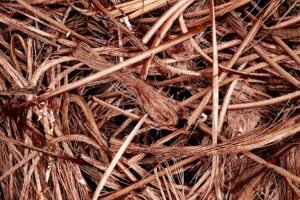
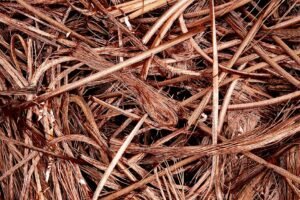
Scrap metal is classified into various grades, which dictates the price per tonne. Understanding these grades can help you communicate better with your local yard. Ferrous metals, which contain iron and are magnetic, make up the bulk of your car’s weight. These are typically graded as ‘light iron’ or ‘heavy melting steel.’ Non-ferrous metals are far more valuable. These include aluminium (found in engine blocks, wheels, and radiators), copper (found in wiring harnesses and radiators), and lead (from the battery).
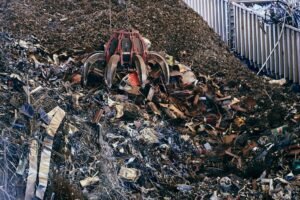
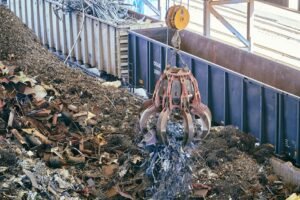
When a professional yard processes your vehicle, they use a process called ‘depollution.’ This involves draining all fluids, removing the battery, and stripping the catalytic converter. The remaining shell is then shredded. Modern shredders use magnets to separate the ferrous metal from the non-ferrous materials. This high-tech sorting process ensures that almost 95% of a vehicle’s weight is recovered and repurposed. When you ask where can i sell my car for scrap near me, you are essentially initiating this complex, high-efficiency industrial process.
Navigating Legalities and Documentation
Selling your car to a scrap yard is a legal transfer of property. In Australia, the ‘Personal Property Securities Register’ (PPSR) check is a common requirement. Ensure your car is free of any encumbrances or finance debt before you sell it. If you are selling a car on behalf of a deceased estate or a business, you will need additional documentation, such as probate papers or a letter of authority. Always request a receipt for the transaction, which should include the business’s ABN, the date, the vehicle’s VIN, and the amount paid.
If you are disposing of a vehicle that has been written off, ensure you are following your state’s specific ‘Written-Off Vehicle Register’ (WOVR) guidelines. Some states require a specific certificate of destruction to finalize the process. By keeping clear records, you protect yourself from future liability should the vehicle’s identity be misused. Professional wreckers are accustomed to these requirements and will guide you through the paperwork; if a buyer seems hesitant to provide a formal receipt or asks you to skip the paperwork, treat it as a significant red flag.
The Future of Vehicle Recycling in 2026 and Beyond
As we move further into 2026, the vehicle recycling industry is becoming more digitized and efficient. Smart inventory management systems allow wreckers to track parts in real-time, meaning they can offer higher prices for vehicles containing high-demand components. Furthermore, the rise of electric vehicles (EVs) is changing the landscape. EV batteries contain lithium, cobalt, and nickel—materials that are incredibly valuable and require specialized recycling techniques. If you are looking to scrap an EV, you must find a facility equipped to handle high-voltage battery systems safely. This shift towards complex material recovery is driving higher standards across the entire scrap industry, benefiting both the environment and the consumer who is looking to extract maximum value from their end-of-life vehicle.
Frequently Asked Questions
Do I need to remove the tires before selling my car for scrap?
Most scrap yards will accept a car with tires, but it is best to ask your local buyer first. Some yards prefer them removed to reduce the processing time, while others have equipment to handle them easily.
How do I know if a scrap dealer is legitimate?
A legitimate scrap dealer will have a valid ABN, a physical yard you can visit, and will ask for proof of ownership. Avoid any buyer who refuses to provide a receipt or asks to skip the standard documentation process.
Is it better to sell parts separately or sell the whole car?
Selling parts individually can yield a higher total return but requires significant time, mechanical knowledge, and storage space. Selling the whole car to a wrecker is faster, safer, and guarantees an immediate payment.
What happens to the fluids in my car when it is scrapped?
Professional scrap yards follow strict environmental regulations to drain and capture all hazardous fluids, including oil, coolant, and brake fluid. These are then processed through specialized recycling or disposal facilities to prevent soil and water contamination.