
Searching for where i can sell scrap metal near me is the first step toward turning industrial waste or household clutter into a significant revenue stream. In the Australian market, the recycling industry is a sophisticated ecosystem where value is determined by purity, weight, and global commodity demand. Whether you are a tradesperson clearing a job site or a homeowner with old appliances, understanding the logistics of metal recovery is essential. When you ask where i can sell scrap metal near me, you are looking for more than just a drop-off point; you are looking for a partner who offers transparency in weighing, fair pricing based on LME (London Metal Exchange) trends, and efficient processing. For a deep dive into current market logistics, our guide on Sell Scrap Metal Near Me In 2026 provides the latest industry benchmarks.
Understanding Metal Grades and Value
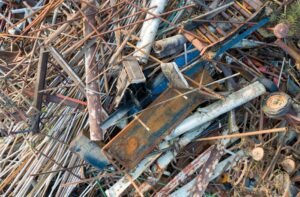
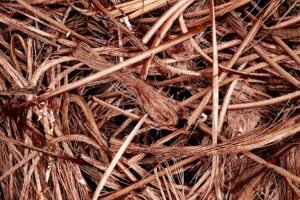
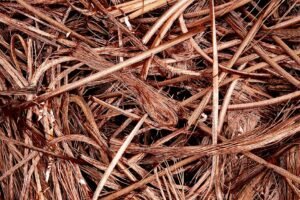
Metal valuation is not arbitrary; it is governed by strict grading standards that dictate the price per kilogram. Ferrous metals, such as steel and iron, are magnetic and generally trade at lower volumes compared to non-ferrous metals like copper, aluminium, brass, and lead. To maximize your returns, you must learn to identify and separate these materials. A professional Australian scrap metal recycler will always prioritize clean, sorted loads because they require less processing time. Copper is the gold standard of the scrap world; bright shiny wire, which is free of insulation and oxidation, commands the highest premium. Conversely, ‘dirty’ copper—which contains solder, paint, or plastic—is downgraded, significantly reducing your payout. Aluminium is another common commodity, but its value fluctuates based on whether it is cast (engine parts, wheel rims) or extruded (window frames, siding). Understanding these nuances is critical when you decide How to Sell Scrap Metal: Best Price & Where to Sell. Always use a magnet to differentiate between ferrous and non-ferrous metals before arriving at the yard; mixing them is a common mistake that leads to ‘mixed scrap’ pricing, which is the lowest tier available.
The Process: How to Sell Scrap Effectively
The process of selling scrap begins with preparation. A local scrap yard is a business, and like any business, they value efficiency. Before you search for where i can sell scrap metal near me, ensure your metal is cleaned of contaminants. For example, if you are bringing in electric motors, removing the steel casing can often reveal high-value copper windings inside. If you are handling large quantities, inquire about local pickup services. Many scrap dealers provide bin services for large construction projects, which simplifies the logistics of moving heavy tons of steel. When you arrive at the facility, the metal is weighed on certified scales. Ensure you observe the weighing process and ask for a printed docket. This document is your receipt and should clearly state the weight, the grade, and the price per unit. If you are looking to Sell Scrap, always check the daily Scrap Metal Prices online before you leave home. Markets change daily, and being informed allows you to negotiate with confidence.
Documentation and Legal Requirements
In Australia, the scrap metal industry is strictly regulated to prevent the theft of infrastructure. You cannot simply walk into a yard with a truckload of copper piping without identification. Under current legislation, you must provide valid government-issued photo identification, such as a driver’s license or passport. Furthermore, many states require scrap dealers to record the vehicle registration used to transport the metal. This is a security measure designed to track the origin of high-value metals like telecommunications cabling or utility-grade copper. Do not be offended by these requests; they are a sign of a legitimate, law-abiding business. Reputable yards will also require an ABN (Australian Business Number) if you are selling as a business entity, as this facilitates the tax reporting process. Always keep a copy of your transaction dockets for your own financial records, especially if you are a contractor or a business owner claiming these sales as revenue.
Environmental Impact and Recycling Mechanics
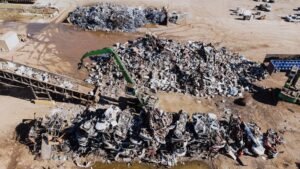
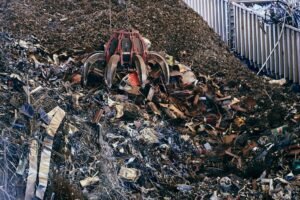
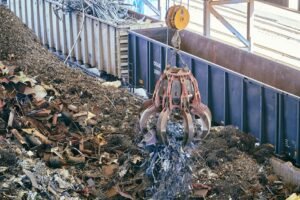
Recycling metal is one of the most environmentally significant actions an individual or business can take. The energy required to recycle aluminium is roughly 95% less than the energy required to produce it from raw bauxite ore. By choosing to recycle, you are directly reducing the need for destructive open-cut mining and lowering greenhouse gas emissions associated with primary smelting. The recycling process involves shredding, magnetic separation, eddy-current separation for non-ferrous metals, and finally, melting the metal into ingots. These ingots are then sold back into the manufacturing supply chain to create everything from new car parts to beverage cans. When you sell your scrap, you are participating in a circular economy that preserves natural resources for future generations. This is why local scrap yards are essential infrastructure; they are the collection points that feed the global manufacturing engine.
Maximizing Your Returns: Pro Tips for Sellers
To consistently get the best price, you need to cultivate a relationship with your local scrap dealer. If you are a consistent supplier, you may be able to negotiate better rates than a one-time visitor. Volume is king in the scrap industry; the more you can aggregate, the better your bargaining position. Consider investing in a simple, heavy-duty scale to weigh your materials before you leave your site. This ensures you know exactly what you are hauling and prevents discrepancies at the yard. Additionally, keep an eye on international market trends. Copper and aluminium prices are linked to the global economy, specifically construction activity in China and the demand for renewable energy infrastructure. When global demand is high, your scrap is worth more. Timing your sales to coincide with market peaks is a strategy used by professional scrap traders to maximize their margins. Avoid selling during market dips if you have the storage space to hold onto your material until prices recover.
The Future of Scrap: Technology and Sustainability
The scrap industry is currently undergoing a digital transformation. We are seeing the rise of apps and online platforms that connect sellers to buyers, providing real-time pricing and logistics support. In 2026, the ability to track your scrap load via digital manifests is becoming standard. Furthermore, the push toward ‘green steel’ is driving demand for high-purity scrap, as manufacturers look to reduce their carbon footprint by using recycled content. As we move forward, the distinction between ‘waste’ and ‘resource’ is blurring. Every piece of metal you divert from a landfill is a valuable commodity that contributes to a more sustainable industrial future. By staying informed, maintaining high standards of sorting, and choosing reputable dealers, you are not just making money—you are supporting an essential pillar of the Australian economy.
Conclusion: Your Role in the Circular Economy
Selling scrap metal is a practical, profitable, and environmentally responsible choice. Whether you are a professional tradesperson or a DIY enthusiast, the key to success lies in preparation, knowledge, and choosing the right partner. By following the guidelines in this master guide, you are well-equipped to navigate the market, secure the best possible prices, and contribute to the vital work of metal recycling. Remember, the value of your scrap is determined by your diligence in sorting and your awareness of market conditions. Use the resources provided, keep your documentation in order, and continue to treat your scrap as the valuable asset it truly is. The recycling industry is a cornerstone of global sustainability, and your participation ensures that valuable metals remain in circulation rather than ending up as environmental waste.
Frequently Asked Questions
What is the most valuable scrap metal I can sell?
Copper is generally the most valuable scrap metal due to its high demand in electrical and plumbing industries. Clean, bright copper wire and copper piping command the highest prices at scrap yards.
Do I need an appointment to sell my scrap metal?
Most local scrap yards accept walk-ins during business hours, but it is always best to call ahead if you have a large load or require specific services like bin drop-offs. Checking in advance ensures the yard has the capacity to process your material immediately.
Why is my scrap metal price lower than the market rate I saw online?
The prices you see online are often global commodity benchmarks for raw, processed materials. Local yards must deduct costs for processing, transport, overheads, and the specific grade or ‘cleanliness’ of your material, which is why your payout will be lower.
What documents are required to sell scrap metal in Australia?
You must provide a valid government-issued photo ID, such as a driver’s license, to comply with anti-theft regulations. If you are selling as a business, you will also need to provide your ABN for tax and accounting purposes.