
Determining where to sell electrical wire is the most critical decision for electricians, contractors, and demolition experts looking to maximize their return on investment. In the Australian market, the value of your cable scrap is dictated by the percentage of recoverable copper, the quality of the insulation, and the current global commodity market. Understanding the nuances of the recycling industry ensures you are not leaving money on the table. Whether you are dealing with heavy-duty industrial cabling or standard domestic house wire, the process of liquidating your assets requires a strategic approach. If you are looking for professional guidance, our team at Scrap Trade provides industry-leading insights into market fluctuations. Furthermore, for those managing large-scale infrastructure projects, knowing Sell Electrical Panel Scrap Building Switchboards is an essential skill to complement your wire recycling workflow. By mastering the art of sorting, you transform a waste product into a significant revenue stream. This guide explores the entire lifecycle of wire recycling, from initial collection to final settlement.
Understanding the Value of Copper Wire Scrap
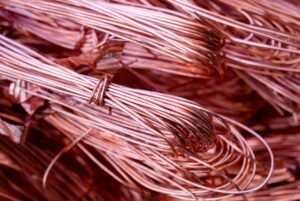
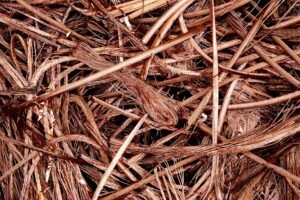
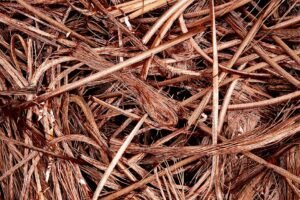
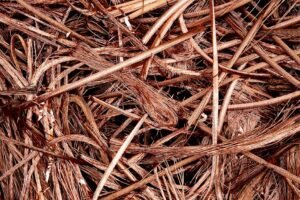
The Australian scrap metal industry operates on a transparent yet volatile pricing model. When you search for where to sell electrical wire, you are essentially looking for a partner who understands the LME (London Metal Exchange) copper pricing. Copper wire is graded based on its purity and the ease with which the copper can be extracted from the plastic or rubber insulation. The highest value is found in ‘bright and shiny’ copper, which is stripped of all insulation. However, stripping wire is labor-intensive. For many, selling insulated wire is more efficient, provided the scrap dealer has the industrial granulators to process it.
To understand your potential profit, you must distinguish between different grades of cable. Heavy-duty power cables (often referred to as ‘bright’ or ‘heavy’ copper) contain thick, high-purity conductors. These are highly sought after by recyclers. In contrast, data cables or ‘cat’ cables contain much thinner copper strands and a higher ratio of plastic to metal, leading to a lower overall price per kilogram. When you Electrical Wire Scrap: Recycling Guide & Value Tips, you learn that cleanliness is paramount. Contaminants such as plugs, transformers, or excessive amounts of tape can downgrade your load from ‘high-grade’ to ‘mixed,’ significantly reducing your payout.
Market trends in Australia show that demand for recycled copper is surging due to the transition to renewable energy infrastructure. This demand means that local scrap yards are often competing for high-quality loads. Building a relationship with a reliable scrap metal merchant in Australia ensures you get consistent pricing, even during market dips. Always ask your dealer for their current ‘buy’ price per kilo for specific grades before you arrive at the yard. This simple step prevents surprises and ensures you are working with a transparent operator.
Preparation Strategies for Maximum Profit
The difference between an average payout and the best price often comes down to preparation. Before you transport your scrap, consider the logistics of sorting. Mixing your high-grade copper with low-grade aluminum or steel-reinforced cable will result in a ‘mixed load’ price, which is almost always the lowest rate offered. By segregating your scrap into clearly defined categories, you demonstrate to the buyer that you are a professional, which often leads to better negotiation leverage.
Strip or not to strip? This is the most common question for those asking where to sell electrical wire. If you have the time and the right tools—such as a motorized wire stripping machine—stripping your cable can increase your profit by 30% to 50%. However, if you are a busy contractor, your time may be better spent on the job site. If you decide to sell the wire insulated, ensure that you remove any non-metallic attachments. Steel armor, plastic conduits, and heavy rubber plugs act as ‘dead weight’ that reduces the value of your load. Many scrap yards charge a processing fee for removing these items, or they simply deduct the weight from your total payout.
Another pro-tip is to keep your scrap dry and clean. Moisture trapped inside insulation can add unnecessary weight, but it also creates corrosion on the copper strands, which can lead to a lower grade classification. Store your scrap in a secure, covered area. If you are handling large volumes, consider using specialized bins provided by your scrap dealer. This not only keeps your site tidy but also makes the loading and unloading process significantly faster, which is a major factor if you are being charged for transport or site time.
Choosing the Right Scrap Dealer
Finding the right partner is just as important as the quality of the scrap itself. Not all scrap yards are created equal. When researching where to sell electrical wire, look for facilities that offer certified weighbridge services. A certified weighbridge is your guarantee that the weight being recorded is accurate and legally binding. This is particularly important for large commercial loads where a discrepancy of even a few kilograms can result in a significant financial loss.
Transparency in payment is another hallmark of a reputable dealer. You should receive a detailed docket that outlines the weight, the grade of the material, the unit price, and the total payment. If a dealer is hesitant to provide a breakdown of your load, take your business elsewhere. Furthermore, consider the payment terms. While some smaller yards offer cash, the industry is increasingly moving toward electronic funds transfer (EFT) for security and compliance reasons. Ensure the dealer is registered and compliant with the relevant state environmental regulations, as this ensures they are disposing of the insulation materials in an eco-friendly manner.
For those who prefer a digital-first approach, there are modern platforms that simplify the process. If you are struggling to find a buyer, exploring How To Sell Surplus Copper Wire Scrap Online can provide access to a broader network of buyers who may be willing to pay a premium for specific types of cable. Online platforms often provide real-time market data, allowing you to time your sale to coincide with peak copper prices. Always check reviews and ask for references if you are dealing with a new buyer, especially when moving large quantities of high-value scrap.
Documentation and Compliance Requirements
The scrap metal industry in Australia is heavily regulated to prevent the trade of stolen goods. When you arrive at a scrap yard, expect to be asked for identification. This is a standard procedure under state-based scrap metal dealer acts. You will typically need a valid driver’s license or passport. If you are selling on behalf of a business, you may also need to provide an ABN and a letter of authorization. These requirements are not meant to be a hurdle, but rather a protection for the entire industry.
Keep meticulous records of your sales. For tax purposes, scrap metal income is considered business revenue. Maintain a ledger that includes the date of sale, the weight of the material, the price received, and the details of the scrap yard. This documentation is vital for your end-of-financial-year reporting. If you are a contractor, you should also be able to trace the scrap back to the specific project it originated from. This level of organization is standard practice for tier-one construction firms and should be adopted by all professionals in the trade.
Furthermore, if you are dealing with large-scale demolition projects, ensure you have the necessary documentation regarding the origin of the scrap. Some buyers may require a declaration that the material is free from hazardous substances, such as lead or asbestos. While standard electrical wire is generally safe, older industrial cabling can sometimes contain legacy materials that require special handling. Being proactive with your documentation saves time at the weighbridge and builds trust with your chosen scrap dealer.
The Future of Wire Recycling in Australia
The circular economy is becoming the backbone of the Australian industrial sector. As we move toward a more sustainable future, the value of recycled copper will only continue to rise. Innovations in sorting technology, such as X-ray fluorescence (XRF) and advanced optical sorting, are allowing recyclers to recover higher percentages of copper from even the most complex cable types. This means that in the future, the distinction between ‘high-grade’ and ‘low-grade’ wire may become less about the metal and more about the efficiency of the recovery process.
As a seller, staying informed about these technological shifts is a competitive advantage. For example, some advanced recyclers are now offering ‘toll processing’ services, where they process your scrap for a fee and return the pure copper to you, or pay you based on the refined output. This is a sophisticated model that is gaining traction among large-scale electrical contractors who generate consistent volumes of high-quality scrap. By understanding these emerging models, you position yourself to extract maximum value from every meter of cable you recycle.
Ultimately, the question of where to sell electrical wire is about building a long-term professional relationship. A good scrap dealer is a partner in your business. They can provide you with market insights, help you optimize your sorting processes, and ensure that you are always compliant with the latest regulations. Whether you are a solo electrician or a manager of a large construction site, the principles of quality, transparency, and strategic planning remain the same. By treating your scrap as a valuable commodity rather than waste, you contribute to the sustainability of the Australian economy while securing a reliable secondary income stream.
Strategic Tips for Consistent Returns
To maintain a high level of profit, treat your scrap collection as a dedicated department of your business. Assign a specific area on your site for sorting. Use color-coded bins for different types of wire: one for heavy power cable, one for thin data cable, and one for aluminum-based cabling. This prevents cross-contamination, which is the fastest way to lose money at the weighbridge. If you have a large amount of one specific type of wire, wait until you have a significant volume before selling. Bulk sales often command a better price per kilogram than frequent, small-scale drops.
Monitor the LME copper price trends. While you cannot control the market, you can control when you sell. If prices are trending upward, it might be worth holding onto your stock for an extra week. Conversely, if the market is volatile, it is often better to sell regularly to average out your returns. Use online price trackers to keep a pulse on the market. Being informed makes you a more confident negotiator. When you walk into a scrap yard, you should know exactly what your material is worth. This confidence is often all it takes to secure a ‘top-tier’ price rather than the ‘standard’ rate.
Finally, never underestimate the power of networking. Talk to other contractors about where they are getting the best service. Sometimes, a smaller, family-owned yard will offer better personalized service and more competitive rates than a large, impersonal facility. The best scrap dealers are those who value your repeat business. They will be the first to call you when prices spike or when they have a specific need for a type of cable that you happen to have in abundance. By fostering these relationships, you move from being a ‘customer’ to a ‘partner,’ which is the ultimate goal in the scrap metal trading business.
Related: Electrical Wire Scrap: Recycling Guide & Value Tips
Frequently Asked Questions
Is it worth stripping electrical wire before selling it?
Stripping wire can significantly increase your profit, often by 30-50%, because you are selling pure copper rather than copper with insulation. However, you must weigh the time and labor costs against the price difference to determine if it is profitable for your specific volume.
What documentation do I need to sell scrap metal in Australia?
You will typically need a valid government-issued photo ID, such as a driver’s license or passport. If selling as a business, you may also need your ABN and potentially a letter of authorization if you are an employee selling on behalf of a company.
How do I know if I am getting the best price for my scrap?
You can ensure you are getting the best price by researching current LME copper spot prices and getting quotes from multiple reputable scrap dealers. Always ask for a detailed docket that breaks down the weight and grade of your material to ensure transparency.
Can I sell electrical wire with the plastic insulation still on it?
Yes, most scrap metal yards accept insulated wire, but it will be graded lower than clean, stripped copper. The price you receive will depend on the copper-to-insulation ratio, so it is best to sort your cable by thickness to get the most accurate valuation.