
Understanding where to sell platinum from catalytic converters is a critical step for anyone involved in the automotive recycling industry or those looking to liquidate scrap assets. As the automotive industry shifts toward cleaner emissions, the demand for platinum group metals (PGMs)—specifically platinum, palladium, and rhodium—has surged, making the recovery of these components a highly profitable venture. Navigating the market requires more than just finding a buyer; it requires an understanding of metal markets, legal compliance, and the technical specifications of your scrap.
The Value of Platinum Group Metals in Catalytic Converters
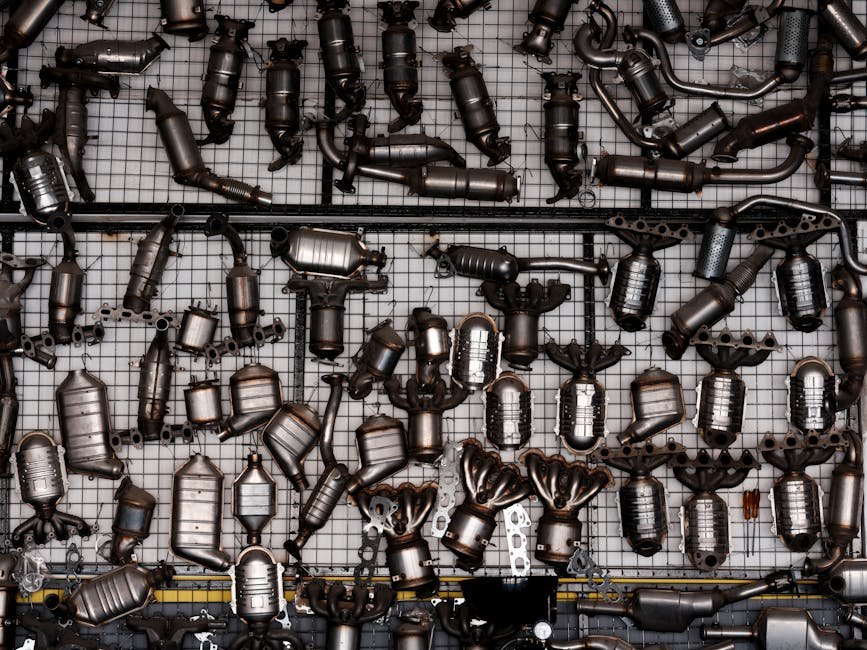
Catalytic converters are essentially chemical reactors designed to reduce harmful exhaust emissions. Inside the stainless steel casing lies a ceramic honeycomb structure coated with a washcoat containing precious metals. These metals—platinum, palladium, and rhodium—are the primary drivers of the unit’s value. Platinum is favored for its ability to catalyze oxidation reactions, while palladium and rhodium are essential for nitrogen oxide reduction. Because these metals are rare and difficult to mine, recycling them from end-of-life vehicles is both an environmental necessity and an economic opportunity.
For those looking to understand the broader landscape of asset recovery, our Sell Platinum Scrap Jewelry Catalytic Converters Industrial 2026 Guide provides an exhaustive look at how these markets intersect. The volatility of PGM prices means that timing your sale is just as important as choosing the right buyer. Unlike standard scrap steel, the value of a cat converter is determined by its specific serial number, which corresponds to a database of precious metal loading. If you are wondering where to sell platinum from catalytic converters, you must first ensure you have the correct identification for your units.
How to Identify and Prepare Your Catalytic Converters
Before you approach a scrap dealer, preparation is key to ensuring you get the best price. Every catalytic converter has a unique serial number stamped or etched into the metal casing. This serial number is the key to determining the exact gram weight of platinum, palladium, and rhodium contained within. Do not attempt to remove the ceramic honeycomb yourself; this is dangerous due to the toxic dust and illegal in many jurisdictions. Instead, keep the unit intact.
When preparing your inventory, group your converters by size and type. Many buyers will categorize them into ‘small,’ ‘medium,’ and ‘large’ or by vehicle make and model. If you are managing large quantities, such as those found in a business closure, you might also need to know Where To Sell Scrap From Warehouse Liquidation to ensure you are offloading all your assets efficiently. Clean the exterior of the units to ensure serial numbers are legible, as a missing or unreadable number often results in a ‘generic’ price, which is significantly lower than a ‘graded’ price.
Navigating the Australian Scrap Metal Market
In Australia, the scrap metal industry is strictly regulated to prevent the trade of stolen goods. When you decide to Sell My Catalytic Converter, you must be prepared to provide valid photo identification, such as a driver’s license or passport. Reputable scrap dealers are required by law to maintain records of all transactions. This transparency protects both the buyer and the seller. If a buyer does not ask for identification, treat it as a red flag.
For those operating internationally, the process differs slightly. For instance, if you need to recycle catalytic converters in luxembourg or recycle catalytic converters in iceland, the local environmental regulations will dictate the transport and handling of hazardous waste. However, the core principle remains the same: use a certified facility that provides a fair assessment based on current market rates. For Australian-based traders, visiting Scrap Trade Australia can provide localized insights into the current market demand for PGMs.
Getting the Best Price for Your Scrap
Achieving the best price requires a combination of market knowledge and volume. Prices for platinum group metals fluctuate daily on the London Metal Exchange (LME). A professional dealer will base their offer on these daily spot prices, adjusted for refining costs and their own profit margin. To maximize your return, consider the following:
- Keep it clean: Remove excess piping and brackets if possible, but keep the main body intact.
- Sort by grade: High-grade units (often from luxury or high-performance vehicles) contain more precious metal than standard units.
- Build relationships: If you are a regular supplier, you are more likely to receive premium pricing.
- Use reputable platforms: Utilize digital resources like Scrap Trade to compare market trends and find verified buyers.
Never accept an offer without knowing the approximate metal content of your units. If you are selling in bulk, ask for an assay report or a breakdown of the grading. Transparency is the hallmark of a professional scrap dealer. If they cannot explain how they arrived at their price, look elsewhere.
Legal Requirements and Documentation
Selling scrap metal is a legitimate business, but it is subject to strict oversight. To avoid legal complications, ensure you are dealing with a licensed facility. You should expect to provide:
- Proof of Identity: A government-issued ID is mandatory.
- Proof of Ownership: In some cases, especially with large quantities, you may need to provide a bill of sale or proof of how the scrap was acquired (e.g., invoices from an auto-dismantling business).
- Transaction Records: Always request a receipt that details the quantity, the type of scrap, the price paid, and the date of the transaction.
By maintaining meticulous records, you not only comply with the law but also build a credit history as a reliable seller, which can lead to better terms in the future. Remember that the authorities monitor the scrap industry closely to combat the illegal trade of catalytic converters, which is a major concern globally. Always ensure your business practices are above board.
The Future of PGM Recycling
As the world transitions to electric vehicles (EVs), the long-term future of internal combustion engine (ICE) parts like catalytic converters is evolving. However, the demand for platinum and palladium remains high, not just for cars but for the hydrogen fuel cell industry. This means that the infrastructure for recycling these metals will remain robust for decades to come. Understanding where to sell platinum from catalytic converters today positions you perfectly to capitalize on this ongoing demand.
We are currently seeing a shift toward more advanced refining technologies that allow for higher recovery rates of platinum group metals. This efficiency is passed down the supply chain, meaning that as technology improves, the potential value of your scrap may increase. Stay informed by reading industry reports and following the price of PGMs. Being an educated seller is the best way to ensure you are not leaving money on the table.
Why Choosing the Right Partner Matters
Not all scrap dealers are created equal. Some are simple collectors who sell to larger refineries, while others are the refineries themselves. By cutting out the middleman, you can often secure a better price. However, the middleman often provides convenience, such as collection services or immediate cash payments. Weigh the pros and cons based on your specific situation. If you have a small amount, a local yard is ideal. If you have a warehouse full of units, you need a specialized logistics partner who can handle the bulk transport and assay process.
Finally, always prioritize safety and environmental responsibility. Catalytic converters contain hazardous materials. Ensure that you are working with a company that adheres to environmental standards, as this ensures that the recycling process is handled in a way that minimizes the impact on the planet. By choosing a partner who values compliance and professional standards, you are contributing to a circular economy that benefits everyone.
Conclusion: Taking Action
The process of selling platinum from catalytic converters is straightforward once you understand the variables involved. From identifying your units by serial number to ensuring you have the correct documentation for legal compliance, every step is designed to protect your investment and ensure you receive the best price for your materials. Whether you are an individual with a single unit or a business with a large inventory, the key is to stay informed, build relationships with reputable buyers, and keep track of the global market for platinum group metals. Use the resources provided here to start your journey toward smarter scrap trading.
Frequently Asked Questions
How do I know the value of my catalytic converter?
The value is determined by the serial number stamped on the unit, which corresponds to a database of precious metal content. You can check this value by using online grading tools or consulting with a professional scrap dealer.
Do I need to remove the internal honeycomb to sell it?
No, you should never remove the internal honeycomb yourself. It is dangerous, potentially illegal, and will significantly reduce the value of the unit as buyers prefer them intact for accurate assaying.
What documents do I need to sell scrap metal in Australia?
You will need a valid government-issued photo ID, such as a driver’s license or passport. Some buyers may also require proof of ownership if you are selling in large quantities.
Why do prices for catalytic converters change so often?
Prices are tied to the global market value of platinum, palladium, and rhodium. These metals are traded on international commodity exchanges, and their prices fluctuate daily based on supply, demand, and industrial usage.