Understanding where to sell steel in Australia is essential for businesses and individuals looking to turn unused metal into cash while supporting sustainable recycling practices. This comprehensive guide covers every aspect of selling scrap steel, from preparation and pricing strategies to documentation requirements and buyer selection. With Australia generating approximately 67 million tonnes of waste annually and steel comprising a significant portion, knowing how to navigate this market ensures you secure the best price for your ferrous metal while complying with all regulations.
Understanding Steel Scrap: Types and Value Factors
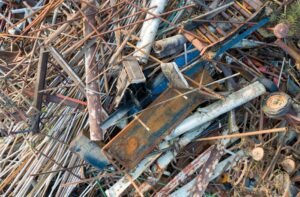
Not all steel scrap is equal in value. Ferrous metal encompasses iron-based materials, but specific categories command different prices. Structural steel like I-beams, H-beams, and channels typically fetches premium rates due to high recyclability in construction. You’ll find specialized buyers when you Sell Structural Steel Scrap I Beams H Beams Channels. Mild steel from machinery and automotive parts is common but requires separation from contaminants. Sheet metal from roofing or fabrication often contains coatings that affect pricing. Stainless steel (304 and 316 grades) holds significantly higher value than carbon steel. Heavy melting steel (HMS) refers to thick sections over 6mm, while light gauge steel includes thinner materials like auto bodies. Understanding these distinctions is critical when determining where to sell steel for maximum returns.
Preparing Your Steel Scrap for Maximum Profit
Preparation directly impacts your payout. Start by sorting materials: separate stainless from carbon steel, remove non-ferrous metals, and isolate sheet metal from structural pieces. Cleanliness is paramount – remove concrete, plastic, rubber, or oil contamination which can downgrade your load. Cut oversized items into manageable sizes (under 1.5m) to fit shredders. Demagnetize materials when possible to facilitate processing. For large quantities, invest in a magnetic separator to efficiently divide ferrous and non-ferrous metals. Properly prepared #1 scrap commands up to 30% higher pricing than unprepared mixed loads. Store scrap off the ground under cover to prevent rust and soil contamination which diminish value. These steps position you advantageously regardless of where to sell steel.
Australian Steel Buyers: Where to Sell Steel for Top Dollar
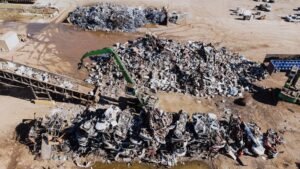
Australia’s scrap ecosystem offers multiple selling channels, each with distinct advantages. Local scrap yards provide immediate cash for scrap but may offer lower rates. Regional recycling centres like Gilly’s Steel specialize in industrial quantities with dedicated processing facilities. Online marketplaces like Scrap.Trade connect sellers directly with verified buyers nationwide, often securing better steel price per tonne through competitive bidding. For large-scale demolition projects, direct sales to steel mills via brokers maximize returns but require 20+ tonne loads. Mobile collectors service remote areas but deduct transportation costs. Specialized processors like Scrap Trade Australia focus exclusively on high-grade steel recovery. To locate all options in your vicinity, use our updated resource for Sell Scrap Metal Near Me In 2026.
Mastering Steel Pricing: How to Secure the Best Price
Steel price per tonne fluctuates based on global markets, local demand, and your material’s condition. Track the Australian Steel Index (ASI) and London Metal Exchange reports to time your sale strategically. Premiums apply for: uncoated steel (vs painted/galvanized), high-density loads (minimal air space), chemical-free material, and homogeneous batches. Quantity matters – loads exceeding 5 tonnes typically gain volume bonuses. Build relationships with multiple scrap dealers to leverage competition. Request written quotes specifying grade classifications and deductions. Avoid buyers using vague terms like “mixed steel” without proper classification. Monitor container shipping rates which impact export demand. During infrastructure booms, structural steel scrap prices can surge 15-20%. Consistently achieving the best price requires understanding these market drivers and negotiating from knowledge.
Essential Documentation for Selling Scrap Steel
Compliance is non-negotiable in Australia’s regulated scrap industry. Sellers must provide government-issued photo ID (driver’s license or passport) and secondary identification. Commercial entities need ABN registration documents. Prepare proof of ownership – original purchase receipts, asset registers, or statutory declarations for found materials. For regulated items like pressure vessels or rail components, provide decommissioning certificates. Buyers must file Form 9 notifications with police for transactions exceeding AUD$100 in some states. The transaction ledger should detail: seller information, material description, weight, payment method, and time of sale. Reputable processors supply weighbridge tickets certified to NMI standards. Keep copies of all documents for seven years as per Australian Taxation Office requirements. Proper documentation protects both parties and ensures lawful recycling when you sell steel scrap.
Step-by-Step Selling Process: From Collection to Payment
Follow this proven process for seamless transactions. First, inventory your materials – categorize by steel type, estimate weights, and photograph loads. Next, prepare quotes: contact at least three buyers from our Sell Scrap network for written offers. Schedule inspection if required for large loads. Arrange transport – dedicated scrap haulers provide walking-floor trailers for efficient unloading. Upon arrival, supervised weighing occurs on certified scales – verify ticket details match your estimate. Processing follows: materials may be shredded, sheared, or baled. Payment options include EFT (1-2 business days), company cheque, or immediate cash for smaller amounts under AUD$1,000. Insist on detailed receipts showing grade classifications and net weights. For ongoing streams, establish scheduled pickups with contracted pricing reviewed quarterly.
Maximising Long-Term Returns: Strategic Partnerships
Building relationships with specialized recyclers yields superior results versus one-off transactions. Negotiate service agreements with volume-based tiered pricing that automatically adjusts with market indices. Implement on-site processing like mobile shearing to reduce transportation costs. Request monthly market reports from partners to time large disposals advantageously. Explore value-added services like certified destruction reports for compliance purposes. For manufacturers, consider toll processing arrangements where recyclers handle production scrap directly at your facility. Environmental benefits translate to commercial advantages – demand carbon offset certificates quantifying CO2 savings from your recycled steel. These certificates increasingly influence corporate procurement decisions. Partnering with established entities like Scrap Trade Australia ensures regulatory compliance while optimizing revenue streams from your steel by-products.
Conclusion: Turning Scrap Steel into Strategic Advantage
Selling steel scrap profitably in Australia requires market knowledge, preparation, and selecting the right partners. By understanding steel classifications, preparing materials meticulously, tracking global pricing, and maintaining compliance, you transform waste into significant revenue. Whether you’re a contractor with occasional loads or a manufacturer with continuous streams, implementing these best practices ensures maximum returns. For ongoing updates on steel price per tonne trends and buyer networks, bookmark our industry portal. Remember that efficient steel recycling isn’t just about cash for scrap – it reduces mining demand by 74% per tonne and cuts CO2 emissions by 58% compared to virgin production, making it both economically and environmentally strategic.
Frequently Asked Questions
What is the current steel price per tonne in Australia?
As of 2024, carbon steel scrap prices range from AUD$120-$280/tonne depending on grade and preparation. Structural steel like beams commands AUD$200-$280/tonne while light iron scrap averages AUD$120-$180. Stainless steel (304 grade) fetches significantly more at AUD$1,000-$1,500/tonne. Prices fluctuate daily based on global markets, so check current indices before selling.
Do I need a license to sell scrap steel in Australia?
Individuals selling non-commercial quantities (typically under 100kg) require no special license but must provide valid ID. Businesses regularly selling scrap need an ABN and must register for GST when turnover exceeds $75,000 annually. Special licenses apply for regulated items like railway materials or gas cylinders – always declare such items to buyers.
How can I get the best price for my scrap steel?
Maximize value by: 1) Separating steel types (structural, sheet, stainless) 2) Removing all non-ferrous attachments 3) Cutting pieces under 1.5m 4) Obtaining multiple quotes from specialized buyers 5) Timing sales during quarterly manufacturing peaks 6) Building volume through consolidation 7) Establishing ongoing relationships with processors for preferential pricing.
What steel scrap items are prohibited in Australia?
Prohibited materials include: unexploded ordnance, radioactive materials, asbestos-contaminated items, sealed containers, gas cylinders without certified evacuation, and unidentified compressed cylinders. Many yards also reject oil-filled transformers, lead-acid batteries mixed with steel, and refrigerated units. Always declare questionable items – illegal disposal carries severe penalties under environmental legislation.