
Understanding where to sell wire is the most critical factor in determining your profitability as a scrap metal collector in Australia. Whether you are an electrician clearing out a job site or a contractor managing surplus materials, the difference between a mediocre payout and a premium return lies in your preparation and your choice of partner. This guide serves as your authoritative resource for navigating the complex scrap metal market, ensuring you know exactly how to maximize your returns when you decide to Sell Scrap. By following the strategies outlined in How to Sell Scrap Wire: The Ultimate Guide to Maximizing Profits, you can ensure that your copper wire, insulated wire, and cable scrap are processed for their true market value.
Understanding the Scrap Wire Market in Australia
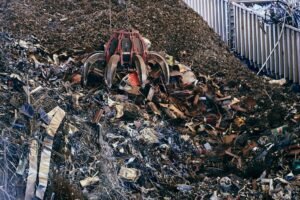
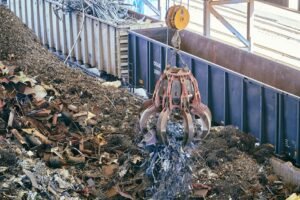
The Australian scrap market is driven by global commodity prices, specifically the London Metal Exchange (LME) copper spot price. When you look for where to sell wire, you are essentially looking for a partner who offers transparency in their pricing models. Copper is a highly sought-after industrial metal, and its value is dictated by purity and ease of processing. Insulated wire, often overlooked by novices, contains high-grade copper hidden beneath PVC or rubber sheathing. To achieve the best price, you must understand that scrap dealers operate on margins; they pay you based on the weight of the recoverable metal after the cost of labor and processing is deducted. If you have significant quantities, you might also consider learning How To Sell Surplus Copper Wire Scrap Online to reach a broader network of industrial buyers. Always prioritize dealers who use calibrated, government-certified scales, as a discrepancy of even a few kilograms can significantly impact your bottom line over time. Professional recycling facilities, such as those found through the Australian Scrap Trade Directory, provide the infrastructure required to handle large volumes of cable scrap efficiently. Remember, when you choose where to sell wire, you are choosing a business partner whose success should align with yours.
Sorting and Preparing Your Cable Scrap for Maximum Value
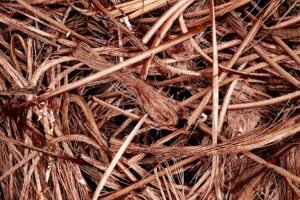
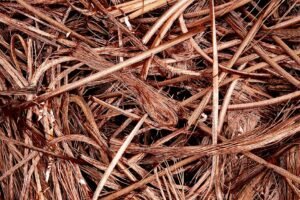
The secret to getting the best price for your scrap is meticulous sorting. Never mix your grades. High-grade bright and shiny copper wire commands the highest price per kilogram, while low-grade insulated wire pays significantly less due to the weight of the plastic insulation. Start by separating your materials into distinct piles: bright bare copper, heavy copper cable, insulated copper wire (split by thickness), and aluminum or mixed-metal cables. If you are dealing with heavy industrial cables, consider whether stripping the insulation is worth your time. While stripping increases the grade of the copper, it is labor-intensive. Use a professional wire stripping machine if you process large volumes, as manual stripping with a knife is inefficient and carries a high risk of injury. Furthermore, ensure your wires are free from contaminants like oil, grease, or heavy plastic connectors, as these are considered ‘dirty’ and will result in a lower payout. A reputable scrap dealer will penalize you for contaminants, so clean your materials before you arrive at the yard. When you are ready to move your inventory, you might also be interested in how to Sell My Catalytic Converter to bundle your scrap loads for a single, higher-value trip to the recycling facility.
The Logistics of Selling: What Documents and Procedures to Expect
In Australia, the scrap metal industry is heavily regulated to prevent the trade of stolen goods. When you arrive at a yard to sell your wire, you must be prepared to provide valid photo identification, such as a driver’s license or passport. Many states now require scrap dealers to record the seller’s details and the vehicle’s registration number. Some jurisdictions may even require a bank account number for electronic funds transfer (EFT), as many yards have moved away from cash payments to comply with anti-money laundering laws. If you are selling on behalf of a business, carry your ABN and a letter of authorization. Being prepared with these documents makes the process seamless and marks you as a professional seller rather than a casual scavenger. Always ask for a printed weight ticket that clearly outlines the grade of the scrap and the price per unit. If a dealer refuses to show you the weight or uses non-digital, uncertified scales, walk away. Professionalism in documentation is a strong indicator of a trustworthy business that will consistently offer the best price for your scrap wire. Establishing a long-term relationship with a single, reliable dealer is often more profitable than chasing the highest advertised price at a yard that may lack integrity or accurate weighing equipment.
Advanced Strategies for High-Volume Scrap Dealers
For those managing consistent volumes of cable scrap, such as demolition contractors or electrical wholesalers, the strategy changes from retail to wholesale. You should be negotiating price lists based on a percentage of the LME price rather than accepting daily spot prices. This allows you to hedge against market volatility. Furthermore, inquire about pick-up services. If you have a full skip or a pallet of high-grade copper wire, many scrap dealers will provide free transport, saving you significant fuel and time costs. When you are deciding where to sell wire in high volumes, look for yards that offer tiered pricing—meaning the more you sell, the higher your rate per kilogram. This volume-based incentive is standard in the industry and can significantly improve your annual revenue. Keep a detailed log of your scrap sales to track your trends and identify which types of wire are providing the best ROI. By treating your scrap collection as a professional revenue stream rather than a hobby, you unlock the ability to negotiate better terms and access exclusive pricing tiers reserved for regular clients. Always maintain a clean site, as organized scrap is easier to weigh, load, and transport, which reduces the overhead for the dealer and puts you in a stronger position to negotiate a premium rate.
The Environmental and Economic Impact of Recycling Wire
Recycling copper and aluminum wire is a cornerstone of the circular economy. Copper is infinitely recyclable without losing its properties, making it one of the most valuable materials in the waste stream. When you sell your wire to a legitimate recycling facility, you are contributing to the reduction of energy consumption compared to mining virgin ore. This environmental benefit is increasingly important to corporate clients who have sustainability mandates. By documenting your recycling efforts, you can provide your clients with proof of responsible waste management, which adds value to your business services. Economically, the scrap wire trade provides a vital injection of capital into the local economy. When you choose where to sell wire, you are supporting local businesses that provide jobs and infrastructure for material recovery. This is a mutually beneficial ecosystem where sellers receive cash for scrap, and dealers recover valuable resources for manufacturers. As the global demand for copper grows—driven by the shift toward renewable energy and electric vehicles—the value of your scrap wire is likely to remain high. Staying informed about these global trends will help you time your sales for maximum profit, ensuring you are not selling during a market dip when you could be holding your inventory for a recovery.
Common Pitfalls and How to Avoid Them
The most common mistake sellers make is failing to understand the difference between ‘bright and shiny’ and ‘burnt’ wire. Burnt wire, often the result of people trying to remove insulation by fire, is considered a low-grade scrap because the process oxidizes the copper and makes it brittle and difficult to refine. Never burn your wire; it is illegal in many Australian council areas, hazardous to your health, and destroys the value of the copper. Another pitfall is ignoring the weight of the insulation. If you have a large amount of thin, low-yield wire, consider if it is worth the effort to strip it. Sometimes, selling it as ‘mixed cable’ is more efficient than spending hours stripping it for a small gain. Always check the market rates before you load your vehicle. Prices can fluctuate daily, and a quick phone call to your preferred dealer can save you from arriving on a day when prices are suppressed. Lastly, avoid the ‘cash for scrap’ trap where you are offered ‘quick cash’ but receive a lower price than what you would get via bank transfer. Transparency is your best defense against being underpaid. By maintaining a professional approach, keeping your scrap clean and sorted, and dealing only with reputable, licensed scrap yards, you ensure that you are always getting the best price for your wire, regardless of market volatility.
Frequently Asked Questions
Is it worth stripping insulation from copper wire?
Yes, if you have a wire stripping machine and large volumes of cable. It significantly increases the grade of the copper, but manual stripping is often labor-intensive and may not be cost-effective for thin, low-yield wires.
Why does the price of scrap wire change so often?
Scrap wire prices are directly tied to the London Metal Exchange (LME) copper spot price. As global supply and demand for copper fluctuate, the price scrap dealers pay to the public changes accordingly.
Do I need identification to sell scrap metal in Australia?
Yes, most Australian states require you to provide valid government-issued photo identification to prevent the sale of stolen property. Some yards also require bank details for electronic payments.
What is the difference between bright and burnt copper wire?
Bright and shiny wire is clean, unoxidized copper that commands the highest price. Burnt wire is damaged by fire, which ruins the metal’s quality and significantly lowers its market value.