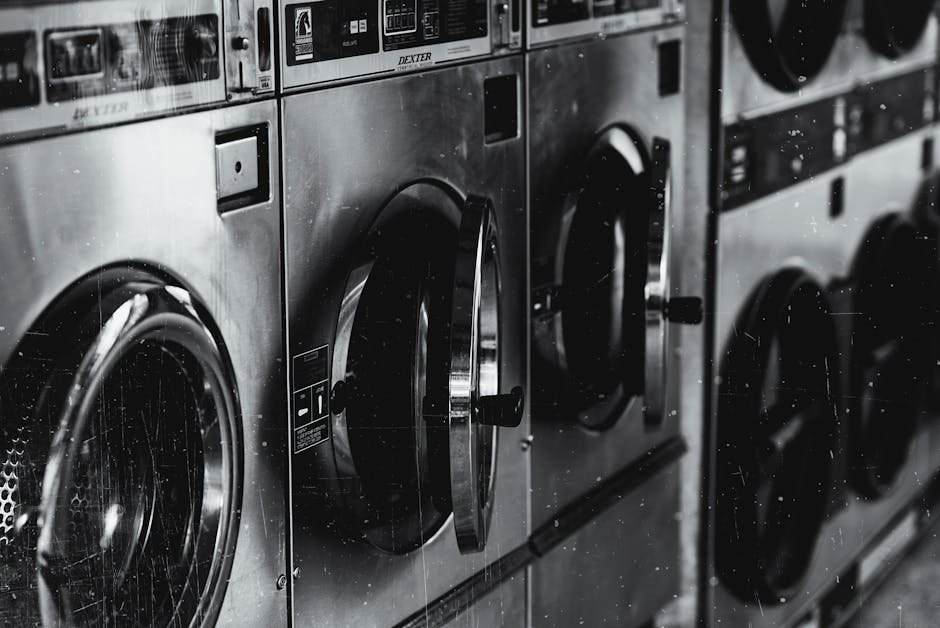

When you are researching who buys old washing machines, it is crucial to understand that these appliances are essentially high-value scrap metal repositories. A standard washing machine contains a significant amount of steel, copper wiring, and aluminum, making them highly sought after by any professional scrap buyer. Whether you are a homeowner clearing out a garage or a business managing appliance turnover, knowing where to take your unit determines whether you pay for disposal or receive a cash return. If you are new to the world of metal recovery, reading Old Scrap A Comprehensive Guide For Sellers And Recyclers will provide the foundational knowledge needed to identify high-value components in various household items.
The Economics of Appliance Recycling: Why Scrap Buyers Want Your Machine
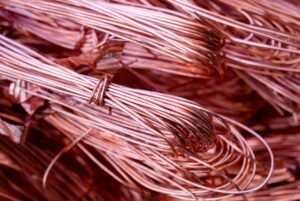
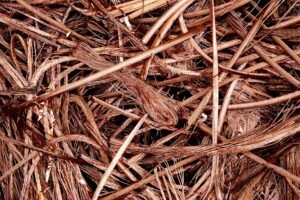
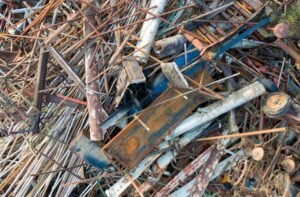
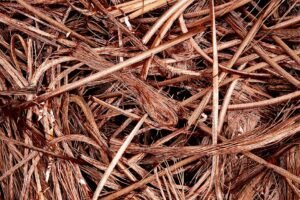
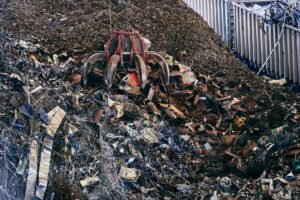
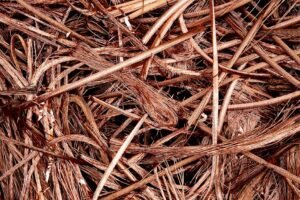
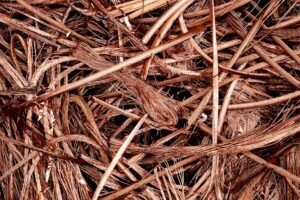
Washing machines are complex assemblies of mixed materials. A typical unit consists of an outer steel cabinet, a heavy-duty stainless steel or plastic drum, a cast-iron or concrete counterweight, and a copper-wound electric motor. Professional metal buyers value these machines because they can separate these materials through mechanical shredding and manual dismantling. The steel, which makes up the bulk of the weight, is sold as ‘light gauge’ or ‘prepared’ scrap, while the motor is stripped for its internal copper windings. When you ask who buys old washing machines, you are essentially asking who has the infrastructure to process these distinct material streams. Many scrap yards operate on a volume-based pricing model, meaning that a single machine might yield a modest return, but a collection of appliances can result in a significant payout. Understanding the market value of these metals is the first step in maximizing your profit. For those interested in other household electronics, our guide on Scrap Laptop How To Sell And Recycle Old Laptops Profitably offers a deep dive into the precious metal recovery process that differs significantly from bulky appliances.
Identifying Trusted Dealers and Professional Scrap Yards
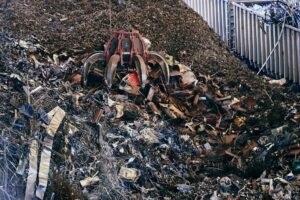
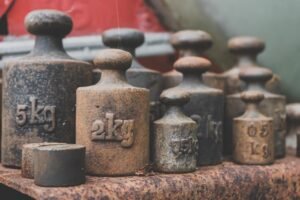
Not all scrap facilities are created equal. Finding a trusted dealer requires looking for transparency in their weighing process and their commitment to environmental compliance. A professional scrap buyer should provide a clear, digital readout of the weight and a breakdown of the price per kilogram based on the current market rate for ferrous and non-ferrous metals. You can search for reputable facilities through the Australian scrap metal directory to ensure you are dealing with a licensed operator who adheres to state-based EPA regulations. When vetting a potential buyer, ask about their processing capabilities. Do they have a baler? Do they have a dedicated area for motor stripping? These are signs of a high-volume, professional operation that will offer better rates than a general waste transfer station. Remember that transportation costs often eat into your profit margins; if you have multiple machines, look for buyers who offer collection services, as this can be more cost-effective than renting a trailer to transport the scrap yourself.
The Step-by-Step Process: From Disconnection to Payout
The process of selling an old washing machine starts with safe disconnection. Always ensure the water supply is turned off and the power plug is removed before attempting to move the unit. If the machine is leaking, drain the hoses into a bucket to prevent water damage during transport. Once the unit is ready, you must decide whether to strip it yourself or sell it whole. While selling it whole is the easiest path, stripping the motor and the copper wiring can significantly increase your payout. A high-quality copper motor can often be sold separately at a much higher price point than the bulk steel of the cabinet. However, if you lack the tools, do not attempt to dismantle the machine, as the concrete counterweights and sharp steel edges can cause injury. For those who enjoy the hands-on aspect of recycling, learning about the mechanics of other items, such as in our article Bike Scrap How To Sell Old Motorcycles And Scrap Bikes For Maximum Value, can help you develop the skills to maximize your scrap returns across all types of household metal waste.
Market Trends and Pricing Factors for Washing Machine Scrap
Scrap metal pricing is volatile and fluctuates based on global demand, particularly from manufacturing hubs in Asia. When you investigate who buys old washing machines, you will notice that prices are quoted in dollars per tonne for ferrous (steel) scrap. Because washing machines are heavy, they are primarily valued for their steel content. However, the ‘cleanliness’ of the scrap matters. If you deliver a machine with the plastic tub, rubber hoses, and concrete weights still attached, the buyer may apply a ‘dirty’ scrap deduction, which lowers the price per tonne. To get the best price, remove as much non-metallic material as possible. In the Australian market, demand for recycled steel remains high due to the growth in local construction projects. By keeping an eye on industry-leading scrap resources, you can time your sales to coincide with market peaks, ensuring you get the most value for your effort.
Environmental Considerations and Responsible Disposal
Beyond the financial incentive, recycling your old washing machine is an environmental imperative. Appliances contain hazardous materials, including refrigerants (in some washer-dryer combos) and electronic circuit boards that contain toxic heavy metals. Improper disposal—such as illegal dumping—leads to these chemicals leaching into the soil and water table. Trusted dealers are required to handle these components according to strict environmental standards. When you choose a reputable scrap buyer, you are ensuring that the steel is melted down and repurposed into new infrastructure, reducing the need for virgin iron ore mining. This circular economy model is the backbone of the modern recycling industry. If you are unsure about the environmental impact of your specific model, check the manufacturer’s website for ‘product stewardship’ programs, which sometimes offer free recycling for their own brand of appliances.
Maximizing Your Returns: Pro-Tips for Sellers
To truly maximize your returns, treat your scrap like a business. First, accumulate enough material to make a trip to the yard worthwhile. A single washing machine may not cover the cost of fuel, but a load containing the machine, old copper piping, and aluminium window frames will. Second, separate your metals. Keep your copper, brass, and aluminium in separate bins. Mixing these with steel will result in the buyer grading the entire load as ‘mixed steel,’ which is the lowest price category. Third, build a relationship with your local yard manager. If you are a consistent supplier of clean, sorted metal, they are more likely to give you a ‘preferred customer’ price. Finally, always keep a record of your sales. If you are doing this as a side hustle, tracking your income and expenses is essential for tax purposes. By treating the process with professionalism, you turn a simple chore into a reliable, consistent income stream.
Conclusion: Taking Action Today
Understanding who buys old washing machines is about more than just finding a drop-off point; it is about recognizing the value in what others consider waste. By following the steps outlined in this guide—from choosing the right facility to preparing your materials for maximum value—you can turn bulky, unwanted appliances into profit. The Australian scrap market is robust and hungry for quality metal. Whether you are clearing out a property or managing a fleet of appliances, the path to profitability is clear. Start by visiting our portal at Scrap.Trade to connect with the best resources in the industry and begin your journey toward smarter, more profitable recycling today.
Frequently Asked Questions
Do I need to clean the washing machine before selling it for scrap?
Yes, cleaning the machine of excess water, mud, and non-metallic debris helps you avoid ‘dirty’ scrap deductions. Removing non-metallic parts like plastic hoses and rubber seals will also result in a higher price per kilogram.
Is it worth stripping the copper motor out of the washing machine?
Absolutely. The copper wiring inside the motor is a high-value non-ferrous metal that is worth significantly more than the bulk steel of the machine’s frame. If you have the tools to safely remove it, you can double or triple your profit from a single unit.
Where can I find the current price for scrap steel in my area?
Scrap prices change daily based on global market conditions. You should check the website of your local scrap metal yard or use industry-standard price tracking tools available on professional scrap trading platforms to get the most accurate, localized pricing.
Are there any parts of a washing machine that cannot be recycled?
Most parts of a washing machine are recyclable, but some components like printed circuit boards (PCBs) require specialized e-waste processing. Ensure your chosen scrap yard has the capability to handle e-waste to ensure those components are recycled responsibly rather than sent to a landfill.