
When you are searching for a facility that buys scrap metal, understanding the landscape of the Australian recycling industry is essential. Whether you are a tradesperson, a demolition contractor, or a household recycler, knowing how to identify a reliable partner ensures you receive fair market value for your materials. The industry is highly regulated, and selecting a professional who buys scrap metal means you are contributing to a circular economy that reduces the need for virgin ore extraction.
Understanding the Scrap Metal Market and Pricing
The pricing for scrap metal is not static; it fluctuates based on global commodity markets, supply chain logistics, and the specific grade of the material. When you search for Scrap Metal Prices, you will notice that copper, aluminium, and steel trade at vastly different price points. A reputable metal buyer will provide transparency regarding how they calculate these rates, usually based on the London Metal Exchange (LME) and local demand.
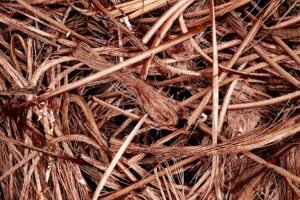
To get the best return, you must understand that purity is king. Contaminated loads—such as copper wire with plastic insulation still attached or steel beams covered in excessive concrete—will be downgraded. If you are looking to Sell Scrap Metal Near Me In 2026, it is critical to prepare your materials by cleaning and sorting them beforehand. This simple step can significantly increase your payout, as the processor spends less time and energy refining the material.
Grades of Scrap: From Ferrous to Non-Ferrous
Scrap metal is generally categorized into two main groups: ferrous and non-ferrous. Ferrous metals contain iron and are magnetic, such as steel, iron, and stainless steel. These are typically collected in high volumes and are essential for large-scale construction projects. Non-ferrous metals, which include copper, brass, aluminium, lead, and zinc, do not contain iron and are generally more valuable due to their superior conductivity and resistance to corrosion.
For instance, if you are handling scrap metal lead, you must be aware of the specific handling requirements. Lead is a hazardous material that requires specialized recycling protocols to prevent environmental contamination. Similarly, specific regions may have specialized facilities, such as scrap metal kirrawee, which cater to the unique industrial needs of that area. Understanding these distinctions helps you match your material with the right buyer.
The Process: How Recycling Works
The recycling process is a sophisticated industrial operation. Once a facility buys scrap metal, the material undergoes a rigorous sequence of steps. First, it is weighed on calibrated, government-certified scales. This ensures that the transaction is accurate and fair. Following weighing, the material is sorted. Advanced technology, such as X-ray fluorescence (XRF) analyzers, is often used to identify the exact chemical composition of alloys.
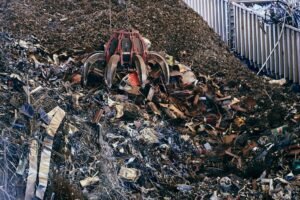
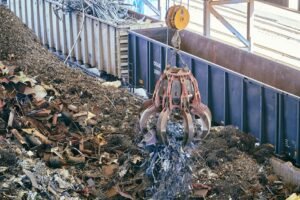
After sorting, the metal is processed. This may involve shearing, shredding, or baling to make the material easier to transport and melt. The final stage is smelting, where the scrap is melted down into ingots or billets. These are then sold back to manufacturers to create new products, ranging from automotive parts to structural steel for skyscrapers. This closed-loop system is why searching for Scrap Metal Recycling Near Me is a vital step in sustainable waste management.
Where to Find Trusted Dealers
Finding a trusted dealer is about more than just proximity. You want a partner who prioritizes safety, environmental compliance, and ethical business practices. A professional metal buyer will have clear signage, organized yards, and a commitment to the Australian scrap metal industry standards. You can explore the full range of services offered by visiting the leading scrap trading platform for industry insights.
When vetting a buyer, ask about their licensing. In many Australian states, scrap metal dealers must hold specific licenses to operate, which helps prevent the trade of stolen goods. A legitimate buyer will always ask for identification and keep detailed records of transactions. This level of professionalism is a hallmark of a high-quality recycling partner. For those operating across different regions, checking the resources at the national scrap trade directory can provide additional security and verification.
Environmental Benefits of Recycling
Recycling metal is one of the most effective ways to reduce our collective environmental footprint. The energy required to recycle aluminium, for example, is approximately 95% less than the energy required to produce it from raw bauxite ore. By choosing to sell your scrap to a facility that buys scrap metal, you are directly participating in a process that saves millions of tonnes of carbon emissions annually.
Furthermore, recycling prevents metal from ending up in landfills, where it can leach harmful chemicals into the soil and groundwater over time. As the global push towards net-zero emissions intensifies, the role of scrap recycling becomes even more critical. It is a cornerstone of the circular economy, ensuring that finite resources remain in use for as long as possible rather than being discarded.
Practical Tips for Maximizing Your Scrap Value
To maximize your profit, treat your scrap like a commodity. Keep different types of metal separate. Mixing copper with steel is a common mistake that leads to a lower overall price. Invest time in stripping insulation from wires, but only if the value of the clean copper outweighs the time spent on the labor. Always call ahead to ask about current market conditions, especially for high-value metals.
Additionally, consider the logistics of transport. If you have a large volume of scrap, some buyers offer bin services or pick-up options. While this might involve a fee or a reduction in the price per tonne, it can save you significant time and fuel costs. Always prioritize safety when handling scrap; wear gloves, eye protection, and sturdy boots, especially when dealing with jagged edges or heavy machinery parts.
The Future of Scrap Metal in Australia
The Australian scrap metal industry is evolving rapidly. With the integration of digital platforms, the process of buying and selling is becoming more efficient and transparent. We are seeing a shift towards more advanced processing technologies that allow for the recovery of rare earth metals from electronic waste. This innovation ensures that the industry remains robust and capable of meeting the demands of a modern, tech-driven economy.
As we look toward the future, the emphasis on traceability and ethical sourcing will only grow. Buyers who embrace these values will lead the market, providing better service and more competitive pricing for their clients. Whether you are a hobbyist or a commercial enterprise, staying informed about these trends will help you navigate the scrap market with confidence and success.
Conclusion
Navigating the world of scrap metal recycling doesn’t have to be complex. By understanding the grades, knowing how to prepare your materials, and selecting a trusted partner, you can turn your waste into a valuable resource. Whether you are looking for who buys scrap metal or simply want to learn more about the environmental impact of your choices, this guide serves as your foundation. Remember to check local regulations, keep your materials sorted, and always prioritize safety in every transaction. The future of our planet depends on the efficiency of our recycling habits, and every piece of metal you recycle makes a tangible difference.
Frequently Asked Questions
How do I know if I am getting a fair price for my scrap metal?
You can verify fair pricing by checking the daily London Metal Exchange (LME) rates and comparing them with quotes from multiple local, licensed scrap yards. Reputable buyers will be transparent about their grading process and current market adjustments.
Do I need to clean my scrap metal before bringing it to a buyer?
Yes, cleaning your scrap—such as removing plastic insulation from copper wire or concrete from steel—significantly increases its value. Clean, sorted loads are easier for recyclers to process and typically command higher prices.
Why is there such a large price difference between ferrous and non-ferrous metals?
Non-ferrous metals like copper, aluminium, and brass are rarer and more expensive to extract from the earth than iron-based ferrous metals. Their superior properties, such as conductivity and corrosion resistance, make them more valuable in the manufacturing market.
Is it legal to sell scrap metal in Australia?
Yes, it is legal, provided you deal with a licensed scrap metal dealer. These businesses are required to follow strict regulations, including verifying the identity of sellers to prevent the trade of stolen goods.