
When navigating the complex landscape of industrial waste management, wise dandenong operations represent a cornerstone of the Victorian recycling sector. Dandenong, as a major industrial hub in Melbourne’s southeast, serves as a strategic location for scrap metal processing, where high-volume logistics meet advanced material recovery technology. Understanding the nuances of these facilities is essential for businesses looking to optimize their waste streams and contribute to a more sustainable industrial future.
The Evolution of Metal Recycling in Dandenong
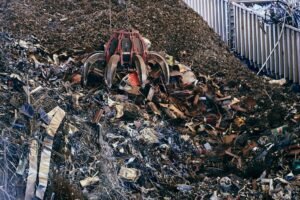
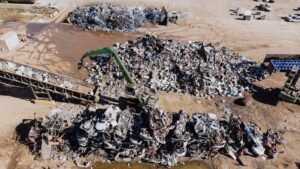
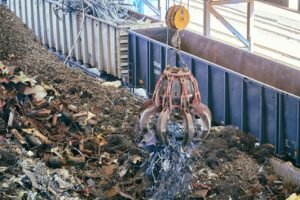
Dandenong has long been the engine room of Melbourne’s manufacturing industry. As the region transitioned from heavy manufacturing to a more diverse economic base, the scrap metal industry evolved alongside it. Modern facilities in the area are no longer just junkyards; they are sophisticated processing plants equipped with industrial shears, heavy-duty granulators, and advanced sorting technology. This evolution is vital for local businesses that require compliant, efficient, and transparent recycling solutions. When companies engage with reputable providers, they ensure that their scrap is handled according to strict environmental regulations.
The integration of technology in the recycling sector has been highlighted by recent industry milestones. For example, the industry is constantly shifting toward higher transparency and innovation, a trend exemplified by the recent news that Scraptrade Recognises Sands Industries With The Australian Industrial Innovation Award 2025. Such recognition underscores the importance of technological adoption in the scrap metal space, which directly influences how facilities in Dandenong operate and scale their services.
Understanding Wise Scrap Metal & Recycling Operations
For those searching for wise scrap metal & recycling services, it is important to distinguish between general collection points and full-service industrial processors. The latter provides comprehensive logistics, including skip bin services, on-site weighing, and specialized handling for hazardous or complex alloys. These operations are essential for maintaining the supply chain of raw materials needed for new production. In the context of the global market, local operations are increasingly connected to international trade networks. This global connectivity is evidenced by the expansion of digital platforms, such as the グローバル廃金属取引プラットフォームが正式サ, which helps streamline the movement of materials from local hubs to international markets.
Moreover, the accessibility of these services is expanding. As the industry becomes more digitized, platforms like منصة تجارة الخردة العالمية تُطلق خدما have made it easier for stakeholders to trade and manage inventory. For those specifically looking for information on wise scrap metal, the focus should remain on identifying partners who offer competitive pricing, reliable collection schedules, and verifiable environmental compliance documentation.
Strategic Advantages of Recycling in Dandenong
The strategic location of Dandenong offers unique logistical advantages. Proximity to major transport corridors, including the M1 freeway and the EastLink, allows for efficient movement of heavy scrap loads. This minimizes the carbon footprint of the collection process, which is a key metric for businesses aiming to improve their ESG (Environmental, Social, and Governance) reporting. When selecting a service provider, businesses should prioritize those who understand the local regulatory landscape in Victoria, including EPA requirements for waste transport and storage.
Furthermore, the scrap metal trading platform serves as a vital resource for those looking to stay updated on market trends and price fluctuations. By leveraging digital tools, businesses in Dandenong can ensure they are receiving fair market value for their copper, aluminum, steel, and brass. Engaging with a professional Australian scrap metal trading network ensures that your business remains competitive while adhering to the highest industry standards.
Material Classification and Value Maximization
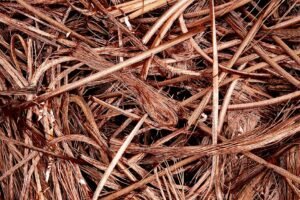
Maximizing the return on scrap metal requires a deep understanding of material classification. Metals are generally categorized into ferrous and non-ferrous, each requiring different handling and processing methods. Ferrous metals, such as steel and iron, are typically high-volume and rely on magnetic separation. Non-ferrous metals, including copper, brass, aluminum, and stainless steel, command higher prices due to their scarcity and the energy-intensive process required to refine them from ore.
In a wise dandenong recycling strategy, businesses should implement a segregation program at the source. Mixing metals significantly lowers the value of the entire load, as it requires manual labor to sort. By using color-coded bins or designated storage areas for different types of scrap, companies can ensure that their waste is processed efficiently and that they receive the maximum payout. It is also important to remove contaminants, such as plastics, oils, or rubber, which can downgrade the quality of the scrap and lead to lower-tier pricing.
Safety and Environmental Compliance
Safety is the primary concern in any scrap metal operation. Dandenong facilities must adhere to strict WorkSafe Victoria guidelines. This includes the safe handling of heavy machinery, proper PPE for staff, and the mitigation of risks associated with hazardous materials, such as lead-acid batteries or gas cylinders. Environmental compliance is equally critical; improper disposal of scrap can lead to soil and groundwater contamination. A reputable recycling partner will have the necessary permits to handle and process these materials, ensuring that no harmful substances leach into the environment.
Businesses should request certificates of destruction or recycling reports from their scrap providers. This documentation serves as proof of responsible disposal, which is often required for corporate sustainability audits. By partnering with a facility that prioritizes safety and environmental stewardship, you are not only protecting your business from potential liability but also contributing to the health of the local Dandenong community.
Logistics: Managing Large-Scale Scrap Removal
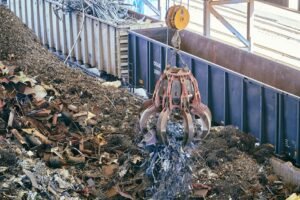
For large industrial sites, scrap removal is a logistical challenge. It requires a fleet of specialized vehicles, including hook-lift trucks, flatbeds, and crane-equipped vehicles for loading. Efficient logistics are the backbone of a successful recycling program. A well-managed scrap collection service will work around your business hours to ensure that production is not interrupted. This might involve scheduled pickups or the placement of permanent bins that are exchanged on a rotation basis.
When planning your logistics, consider the volume of scrap generated and the frequency of collection. High-volume scrap producers can often negotiate better terms, including reduced collection fees or higher purchase prices for the material. It is also worth investigating whether your provider offers on-site consulting to help you optimize your scrap storage and collection layout, which can lead to significant cost savings over time.
The Future of the Circular Economy
The circular economy is no longer a buzzword; it is a necessity for the modern industrial sector. By recycling scrap metal, we reduce the need for virgin ore mining, which is a resource-intensive and environmentally damaging process. The wise dandenong recycling sector is at the forefront of this transition, acting as the bridge between industrial waste and the raw materials required for the manufacturing of the future. As global demand for sustainable materials increases, the value of recycled metals will continue to rise.
Investing in a robust scrap management system is a forward-thinking move. It aligns your business with the global shift toward sustainability, improves your brand reputation, and creates a new revenue stream from what was previously considered waste. As we move toward a future where every gram of material counts, the role of professional scrap metal recyclers becomes increasingly vital to the success of the Australian economy.
Expert Tips for Scrap Metal Sellers
- Sort by Grade: Never mix grades of copper or aluminum. Clean, sorted material always fetches a higher price.
- Remove Non-Metal Attachments: Strip away plastic, rubber, or wood from metal parts before selling.
- Build a Relationship: Establishing a long-term relationship with a local buyer can lead to better pricing and more reliable service.
- Keep Records: Maintain a log of your scrap sales for tax and accounting purposes.
- Understand Market Cycles: Scrap prices fluctuate based on global demand. Stay informed about market trends to sell at the right time.
- Check Certification: Ensure your recycling partner has all the necessary environmental and safety certifications.
By following these expert practices, you can transform your scrap metal management from a logistical headache into a streamlined, profitable, and sustainable part of your business operations. The Dandenong industrial region provides the infrastructure and expertise necessary to support these goals, provided you choose to partner with the right professionals in the industry.
Related: グローバル廃金属取引プラットフォームが正式サ
Frequently Asked Questions
What is the best way to maximize profit from scrap metal?
The most effective way to maximize profit is to perform rigorous source segregation. By separating metals by type and grade—and ensuring they are free from contaminants like plastic or oil—you ensure your load receives the highest possible market rate.
Do I need special permits to dispose of industrial scrap in Dandenong?
While individuals can typically drop off scrap, businesses often require specific environmental permits or waste transport certificates depending on the volume and nature of the scrap. It is best to consult with your chosen recycling facility to ensure full compliance with Victorian EPA regulations.
How often should I schedule scrap metal pickups?
The frequency of pickups should be based on your production volume and available storage space. High-volume industrial sites often benefit from a scheduled rotation of skip bins, while smaller operations may prefer on-demand collection services.
Why is it important to use a certified scrap metal recycler?
Using a certified recycler ensures that your waste is processed in accordance with safety and environmental laws. This protects your business from legal liability and provides you with the necessary documentation for corporate sustainability reporting.