
What Counts as World Wide Scrap?
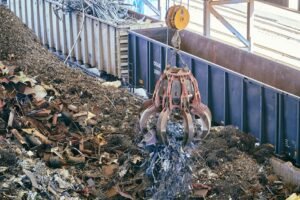
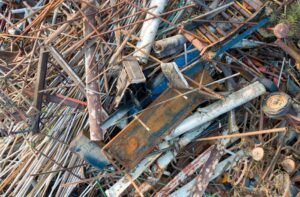
Understanding world wide scrap starts with knowing what can be recycled. Ferrous metals such as steel and cast iron, non-ferrous metals like copper and aluminium, and selected plastics all fall under the term once they leave the consumer cycle. Each category is then broken into grades that mills and re-processors recognise instantly, making global trade smoother.
Grades are set by bodies such as the scrap metal marketplace that follow ISRI, European, or Australian specifications. These codes tell buyers the exact chemical composition, density and cleanliness they can expect, removing guesswork and disputes.
How Global Classifications Work
When a container of shredded aluminium leaves Sydney, buyers in Seoul or Mumbai know what they are getting because the tag reads “Twitch” or “Taint/Tabor”. The same logic applies to plastics: a bale labelled “Grade A HDPE” promises 95% clear bottle flake with minimal contamination.
- Ferrous: HMS 1&2, shredded, plate & structural, busheling
- Non-ferrous: Birch/Cliff (copper wire), Tense (aluminium cast), Talon (aluminium extrusion)
- Plastics: PET natural, HDPE mixed colour, PVC rigid
These grades are updated every few years to reflect changes in smelter demand and environmental law, so traders need to stay current.
Recycling World Wide Scrap in Australia
Australia exports roughly 5 million tonnes of world wide scrap each year, yet local re-processors are expanding capacity. By delivering material to local scrap yards, collectors shorten transport miles and support regional jobs. Modern shredders and eddy-current separators achieve up to 98% metal recovery, while plastic wash lines turn agricultural film into resin pellets for new pipe.
The financial upside is equally attractive. Copper grade “Berry” can trade above AUD 10,000 per tonne, while clean plastic scrap PET bales recently fetched AUD 1,400. Knowing the exact grade maximises returns and keeps material out of landfill.
Environmental Benefits of Proper Sorting
Every tonne of steel scrap fed into an electric-arc furnace saves 1,100 kg of iron ore, 630 kg of coal and 55 kg of limestone. Aluminium remelting cuts energy demand by 95%, avoiding 9 t of CO₂ emissions. When businesses follow what scrap trade actually is and sort rigorously, these savings scale quickly.
Consumers can do their part by separating metals from plastic and keeping hazardous waste out of recycling bins. The cleaner the stream, the higher the grade, and the lower the downstream processing cost.
Getting Started as a Trader
New entrants should read the primer on what is scrap trade before speaking with brokers. Start with a single commodity you can source reliably, learn its specifications, then build relationships with both suppliers and consumers. Use online platforms to compare live prices and track shipping schedules, minimising working capital tied up in inventory.
Remember that documentation matters: mill certificates, radiation-free declarations and photo evidence of loading can prevent costly disputes when the vessel arrives overseas.
Bottom Line
Whether you run a demolition site, a factory off-cutting line or a municipal MRF, treating material as world wide scrap rather than rubbish unlocks value and shrinks your carbon footprint. Learn the grades, partner with reputable yards, and keep contamination low to stay profitable while helping the planet.
Related: scrap metal marketplace
Frequently Asked Questions
What is the highest value world wide scrap grade?
Grade ‘Berry’ copper, consisting of clean unalloyed wire thicker than 1.5 mm, consistently commands top dollar because remelters need minimal refining.
How do I know if my scrap meets export specifications?
Book an on-site inspection with a certified superintendent who will sample, photograph and seal the load; results are compared against ISRI or Australian guidelines.
Can small businesses profit from plastic scrap?
Yes, by baling HDPE or PET on site and delivering to regional recyclers, small firms can earn around AUD 400–1,400 per tonne while cutting disposal costs.
Is rail transport viable for world wide scrap?
Rail becomes economical above 500 km; most Australian exporters use it to move shredded scrap from inland cities to ports like Port Kembla or Melbourne.