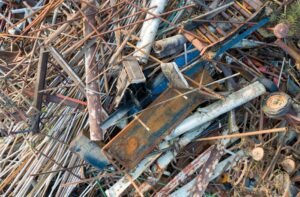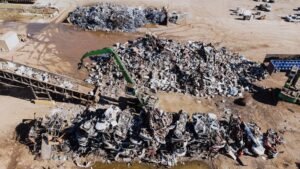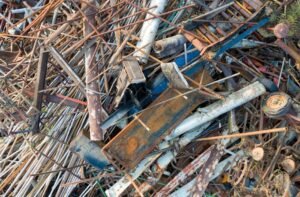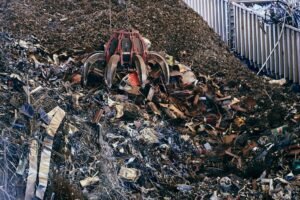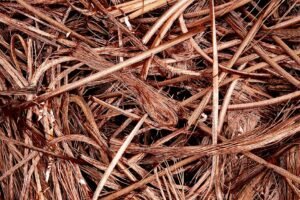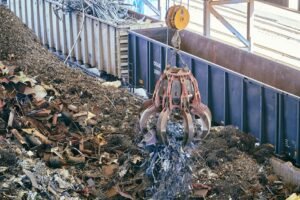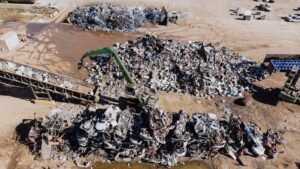

Young scrap metal is the recycling industry’s premium feedstock—clean, traceable and in high demand by Australian smelters and foundries. This pillar guide explains every grade, how the material flows from factory gate to furnace, and why handling it correctly delivers maximum profit and environmental upside.
1. What Exactly Is Young Scrap Metal?
The term young scrap metal is industry shorthand for new production scrap that is less than one year old and free of contamination such as paint, oil, or mixed alloys. It originates from manufacturing off-cuts, skeleton sheets, boring swarf, stamping skeletons, and defective parts that never reached end-use. Because the alloy composition is identical to the certified virgin stock, recyclers pay top Scrap Metal Prices for it.
Traders classify young scrap into clean mono-material grades. Typical examples are:
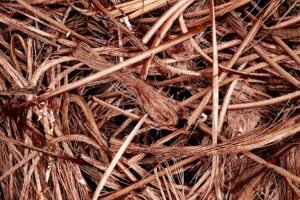
- #1 Copper busbar off-cuts (99.9% Cu)
- Bright aluminium 6063 extrusion ends
- 316 stainless steel stamping skeletons
- Low-carbon steel punching burrs (density > 1.5 t/m³)
Each grade is traded under specifications published by the Australian Scrap Metal Recyclers Association. Meeting those specs is the fastest way to Sell Scrap Metal Near Me In 2026 at premium rates.
2. Grades of Young Scrap Metal in Detail
Understanding grades is crucial to avoid downgrading and price penalties. Below is a field-ready reference used by buyers in Sydney, Melbourne, Brisbane, and scrap metal fairfield yards.
Copper & Alloys
- #1 Copper (Mill Berry): Clean, unalloyed, uncoated, diameter > 1 mm, no solder or brass fittings.
- #2 Copper (Candy): May contain light oxidation or solder; still considered young if under 12 months.
- Copper Wire (Berry): Bare bright wire, no burning or tin coating.
Aluminium
- Tense (6063 Extrusion): Clean, unpainted, < 1% plastic or rubber.
- Taint/Tabor (UBCs): Drained beverage cans, no steel or foil tops.
- Aluminium Litho Sheet: Printing industry skeletons, free of ink and paper.
Stainless Steel
- 316 Solid: 10% Ni, 2% Mo, no magnetic steel attachments.
- 304 Solid: 8% Ni, 18% Cr, no zinc or copper contamination.
Ferrous
- HMS 1: Thickness ≥ 6 mm, length ≤ 1.5 m, no rebar or cast.
- BUSHELLING: Clean new steel punching’s, density ≥ 1.2 t/m³.
Keep each grade in separate bins at the factory; mixed containers are downgraded to shredder feed and lose up to 30% value.
3. How Young Scrap Metal Is Recycled
The journey from factory floor to remelt is a tightly choreographed supply chain:
- Segregation at Source: Production operators place off-cuts into colour-coded bins.
- On-site Baling or Briquetting: Swarf is centrifuged to remove coolant, then briquetted to achieve 85% yield in the furnace.
- Collection: Licensed transporters weigh the material on calibrated digital scales and issue a Scrap Metal Transfer Form.
- Processing Facility: Shears, granulators, or shredders resize the scrap to furnace specs while optical sorters remove any plastic tags.
- Quality Inspection: X-ray fluorescence (XRF) guns verify alloy match against mill certificates.
- Remelt: Aluminium scrap reaches 750 °C in rotary furnaces; copper scrap is melted at 1200 °C in shaft furnaces.
- Re-casting: Ingots, billets, or continuous cast rod re-enter the supply chain as certified recycled content.
Using Scrap Metal Recycling Near Me facilities with ISO 14001 certification guarantees environmental best practice and higher rebates.
4. Environmental Benefits of Recycling Young Scrap Metal
Every tonne of young scrap metal recycled instead of landfilled delivers measurable ecological wins:
- Energy Savings: Aluminium 95%, copper 85%, steel 74% versus virgin ore.
- CO₂ Reduction: Up to 2 tonnes of CO₂-equivalent per tonne of steel; 9 tonnes for aluminium.
- Water Conservation: 40 m³ of water saved per tonne of copper.
- Landfill Diversion: 100% of the material is reusable; no hazardous leachate.
- Resource Security: Australia imports 70% of primary aluminium; recycling keeps critical metals in the domestic loop.
The federal government’s Recycling Modernisation Fund now offers co-finance for plants that process young scrap, recognising its pivotal role in meeting the 2025 National Waste Policy targets.
5. Maximising Value When You Sell Young Scrap Metal
Follow these field-tested tactics to capture top dollar:
Keep It Clean and Dry
One plastic tag or steel screw can drop a 316 stainless load to shred grade, costing $400 per tonne. Store bins under roof to avoid moisture surcharges.
Document Your Scrap
Attach mill certificates or photos to prove alloy and age. Buyers pay 5–10 c per kg extra for traceable young scrap metal.
Time The Market
Copper prices can swing 8% within a week. Use SMS alerts from Scrap Metal Prices to book delivery on high-price days.
Bundle Volumes
A full 20 t bin attracts freight savings and volume bonuses; partial loads incur minimum freight fees.
Choose The Right Yard
Not all recyclers handle high-grade material. A specialist such as scrap metal young in the ACT offers copper anodes and immediate assay, cutting settlement time to 24 h.
6. Equipment & Safety Essentials for Traders
Whether you manage a fabrication shop or a mobile collection service, invest in the right tools:
- Calibrated Platform Scales: NMI-approved, minimum 5 kg graduation for copper fines.
- Scrap Bins with Lids: Colour-coded to AS 1319 safety signs.
- Overhead Magnet: Removes rogue steel screws from aluminium loads.
- Cutting Oil Recycler: Reclaims coolant from swarf to boost briquette density.
- PPE: Cut-resistant gloves, face shield when handling stainless burrs.
Compliance with WorkSafe Australia and the Dangerous Goods Code is mandatory when transporting borings contaminated with cutting fluids.
7. Regulatory Landscape in Australia
Each state governs scrap metal slightly differently, but core rules are consistent:
- Proof of Ownership: Drivers must carry a signed Waste Transport Certificate.
- Cash Ban: Since 2018, Victorian and NSW recyclers must pay via EFT or cheque.
- Scrap Metal Dealer Licence: Renewed annually; police check required.
- Chain of Responsibility: Overweight trucks incur fines for both driver and scrap yard.
Staying compliant avoids costly penalties and preserves your reputation when you Sell Scrap Metal Near Me In 2026.
8. Future Outlook & Technology Trends
Two disruptive forces are reshaping the sector:
Artificial Intelligence Sorting
Hyperspectral cameras plus AI can now identify 30+ aluminium alloys in real time, ensuring young scrap metal is allocated to the highest-value furnace.
Green Steel Contracts
Whyalla and Port Kembla mills are offering 10-year offtake contracts for low-carbon feedstock. Suppliers that can guarantee < 0.4 t CO₂ per tonne of steel will earn escalating premiums.
Forward-thinking traders already integrate blockchain-based material passports, locking in provenance data from factory to furnace and satisfying ESG auditors worldwide.
Conclusion
Young scrap metal is the low-carbon commodity hiding in plain sight on every factory floor. By understanding grades, keeping material segregated, and partnering with specialist recyclers, Australian businesses convert a waste product into a high-margin revenue stream while slashing emissions. Use the tactics in this guide, stay alert to market signals, and you will maximise both profit and planet-positive impact.
Frequently Asked Questions
Is young scrap metal the same as new production scrap?
Yes. The terms are interchangeable; both refer to clean, unalloyed off-cuts under one year old that have never entered service.
Why does clean aluminium off-cut command a higher price than old window frames?
Clean off-cuts are mono-material, so smelters avoid costly separation and achieve 95% yield, translating into a 15–20 c per kg premium.
How do I prove my scrap is under 12 months old?
Attach dated mill certificates, batch numbers, or production invoices; reputable buyers accept photos plus written supplier declarations.
Can I deliver young scrap metal at weekends?
Many 24-hour yards in Sydney and scrap metal fairfield accept Saturday deliveries, but always book ahead to ensure an XRF technician is on site.