
Navigating the landscape of an exchange depot Wodonga requires an understanding of both local regulatory requirements and the global dynamics of the commodities market. As Wodonga continues to serve as a critical logistics and industrial hub for the border region between Victoria and New South Wales, the demand for sophisticated scrap metal management has never been higher. Whether you are a commercial contractor, a local manufacturer, or an individual looking to responsibly recycle household metals, choosing the right facility is essential for maximizing value and ensuring environmental compliance.
For those seeking a professional scrap metal exchange, the Wodonga region offers a unique intersection of traditional recycling practices and modern, technology-driven trading platforms. In an era where sustainability is paramount, the role of these depots has shifted from simple collection points to integral parts of the circular economy. By leveraging advanced sorting and processing techniques, these facilities ensure that valuable raw materials are diverted from landfills and reintroduced into the manufacturing supply chain.
The Evolution of Metal Recycling in Wodonga
The industrial history of Wodonga has necessitated a robust infrastructure for metal recovery. Over the past decade, the local industry has seen a massive shift toward automation and digital integration. As highlighted in recent industry reports, the sector is moving toward greater transparency and efficiency. This progress is exemplified by initiatives such as when Scraptrade Recognises Sands Industries With The Australian Industrial Innovation Award 2025, showcasing how regional players are pushing the boundaries of what is possible in metal processing. This innovation allows local depots to offer more competitive pricing and better environmental outcomes for their clients.
When you visit an exchange depot Wodonga, you are not just dropping off waste; you are participating in a global supply chain. The materials processed here—ranging from copper wiring and aluminum extrusions to heavy steel beams—are ultimately traded on international markets. This is why international platforms like the グローバル廃金属取引プラットフォームが正式サ are becoming increasingly relevant for local operators who want to stay informed about global price fluctuations. Understanding these market trends is key to knowing when to sell your scrap for the highest return.
Understanding Ferrous vs. Non-Ferrous Materials
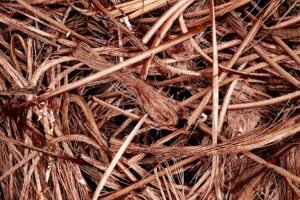
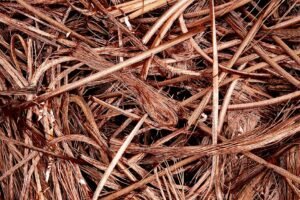
To maximize your returns at any scrap metal facility, you must first understand the distinction between ferrous and non-ferrous metals. Ferrous metals, such as iron and steel, contain iron and are typically magnetic. These are common in construction and heavy manufacturing. Non-ferrous metals, including copper, brass, aluminum, lead, and stainless steel, do not contain iron and are generally more valuable due to their scarcity and the energy-intensive nature of their primary production.
At a high-quality exchange depot Wodonga, staff are trained to help you identify these materials. Proper segregation is the single most important step you can take before visiting a facility. Mixing materials, such as leaving brass fittings on a copper pipe, can downgrade the value of the entire load to the lowest common denominator. For commercial clients, setting up a dedicated onsite collection system is a recommended best practice to ensure purity and higher payouts.
For those looking to expand their knowledge of international standards, the منصة تجارة الخردة العالمية تُطلق خدما provides excellent resources on how global trading platforms are standardizing the quality of recycled metals. By aligning your local recycling efforts with these international quality benchmarks, you ensure that your materials are highly sought after by smelters and manufacturers globally.
The Role of Technology in Modern Scrap Trading
The days of manual ledger entries and opaque pricing are coming to an end. Today, the most successful scrap metal providers utilize digital tools to track inventory, monitor market prices, and provide transparent reporting to their clients. If you are a business owner in Wodonga, utilizing a digital trading platform can help you track your monthly recycling output, providing data that is useful for ESG reporting and corporate social responsibility audits.
Furthermore, professional firms in the region are increasingly adopting advanced analytical tools to predict price trends. By visiting the official Scraptrade website, you can access industry insights that help you decide the optimal time to offload your accumulated scrap. Technology is not just about the transaction; it is about the entire lifecycle management of your metal waste, ensuring that you receive the maximum financial benefit while minimizing your carbon footprint.
Environmental Compliance and Local Regulations
Operating an exchange depot in Victoria involves strict adherence to environmental regulations. The Environment Protection Authority (EPA) Victoria sets rigorous standards for the handling, storage, and processing of scrap metal to prevent soil and water contamination. When selecting a facility, it is vital to ensure they are fully licensed and compliant with these regulations.
Responsible recycling at a certified depot prevents toxic materials—such as lead-acid batteries or mercury-containing components—from leaking into the local Wodonga ecosystem. A reputable facility will have dedicated hazardous material storage areas and sophisticated filtration systems for runoff water. Always prioritize facilities that demonstrate a clear commitment to environmental stewardship through certifications and transparent operational practices.
Maximizing Your Scrap Value: Pro Tips
To get the most out of your experience at a scrap facility, consider the following expert tips:
- Sort your materials: Keep copper, aluminum, and steel separate. Clean scrap always fetches a higher price than mixed or dirty scrap.
- Remove attachments: Take the time to remove plastic, wood, or non-metallic attachments from your metal items.
- Monitor the market: Prices for scrap metal fluctuate daily based on global demand. Use digital trading tools to keep an eye on these trends.
- Build a relationship: If you are a commercial contractor, establish a long-term relationship with a specific depot to negotiate better volume-based rates.
- Safety first: Always wear appropriate PPE, including gloves and steel-toe boots, when handling scrap metal to avoid injury.
The Future of Metal Recycling in the Border Region
As Wodonga continues to grow as an industrial hub, the infrastructure for recycling will only become more sophisticated. We are moving toward a future where “waste” is an obsolete term, replaced by “resource recovery.” Local facilities are now investing in shredding technology, high-speed sorting, and advanced chemical analysis to extract maximum value from complex alloys. This evolution is vital for the regional economy, as it creates local jobs and reduces the reliance on imported raw materials.
The integration of blockchain and digital ledgers into the scrap trade is also on the horizon. This will provide unprecedented traceability for recycled metals, allowing manufacturers to certify that their products contain a specific percentage of recycled content. For businesses in Wodonga, being part of this supply chain transition is not just good for the environment; it is a competitive advantage in an increasingly sustainability-conscious market.
Logistics and Transport Considerations
For large-scale industrial clients, logistics is often the biggest hurdle. Choosing a depot that offers bin services or collection logistics can significantly reduce your overheads. Many top-tier facilities in the region offer roll-on/roll-off bin services, allowing you to fill containers on-site and have them swapped out when full. This eliminates the need for you to transport heavy, bulky materials yourself, which can be both dangerous and costly.
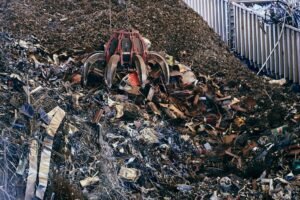
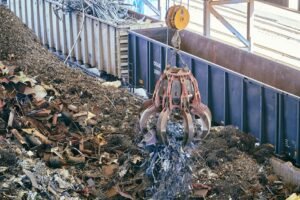
When evaluating a potential partner, inquire about their transport fleet capacity and their ability to handle specialized materials. If your business deals with large-scale demolition or manufacturing waste, ensure the depot has the heavy-duty shearing and baling equipment required to process large volumes efficiently. A facility that lacks the necessary equipment will often pass those inefficiencies on to you in the form of lower pricing.
Conclusion: Choosing the Right Partner
Choosing the right partner for your scrap metal needs is about more than just finding the closest location. It is about identifying a facility that offers transparency, fair market pricing, and a commitment to environmental safety. By staying informed through industry-leading platforms and understanding the nuances of material grading, you can turn your scrap metal into a reliable revenue stream for your business or household.
Whether you are looking to dispose of small quantities of household copper or manage the industrial waste of a large manufacturing plant, the Wodonga region has the capacity to meet your needs. By engaging with professional, forward-thinking depots, you contribute to a more sustainable future while ensuring that you are adequately compensated for the value you provide to the recycling chain.
Frequently Asked Questions
How do I know if my metal is ferrous or non-ferrous?
The easiest way to check is by using a magnet. If the magnet sticks to the metal, it is ferrous (like iron or steel); if it does not, it is non-ferrous (like copper, aluminum, or brass).
Why is it important to clean my scrap metal before taking it to a depot?
Cleaning your scrap by removing non-metallic attachments like plastic, rubber, or wood ensures you receive the highest price per kilogram. Dirty or mixed loads are often downgraded to the lowest value material in the pile.
Can I get a better price for large volumes of scrap?
Yes, most professional scrap metal facilities offer tiered pricing based on the volume and quality of the material. Establishing a commercial account can often lead to better rates and improved logistics support.
What should I look for in a reputable scrap metal recycling facility?
Look for a facility that is fully licensed, adheres to EPA environmental standards, uses calibrated scales for accurate weighing, and provides transparent, market-linked pricing.