
Navigating the landscape of scrap metal Glendale requires a deep understanding of market fluctuations, material classification, and the logistical realities of the Australian recycling industry. As industrial demand shifts, the ability to identify, sort, and process scrap metal effectively has become a critical skill for businesses and individuals alike. Whether you are managing construction waste or clearing out a workshop, knowing how to leverage local facilities ensures you maximize your financial return while minimizing your environmental footprint. Our comprehensive resource provides the technical knowledge required to navigate this sector with professional confidence.
Understanding Metal Grades and Classification
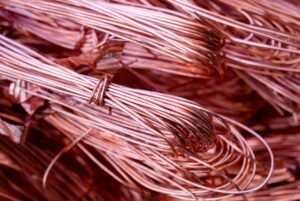
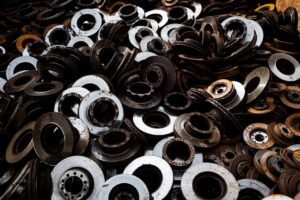
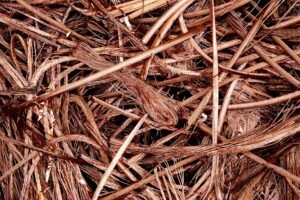
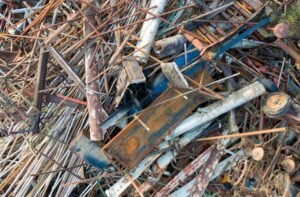
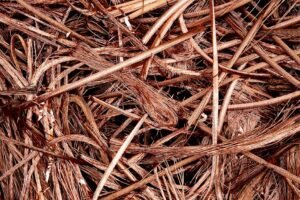
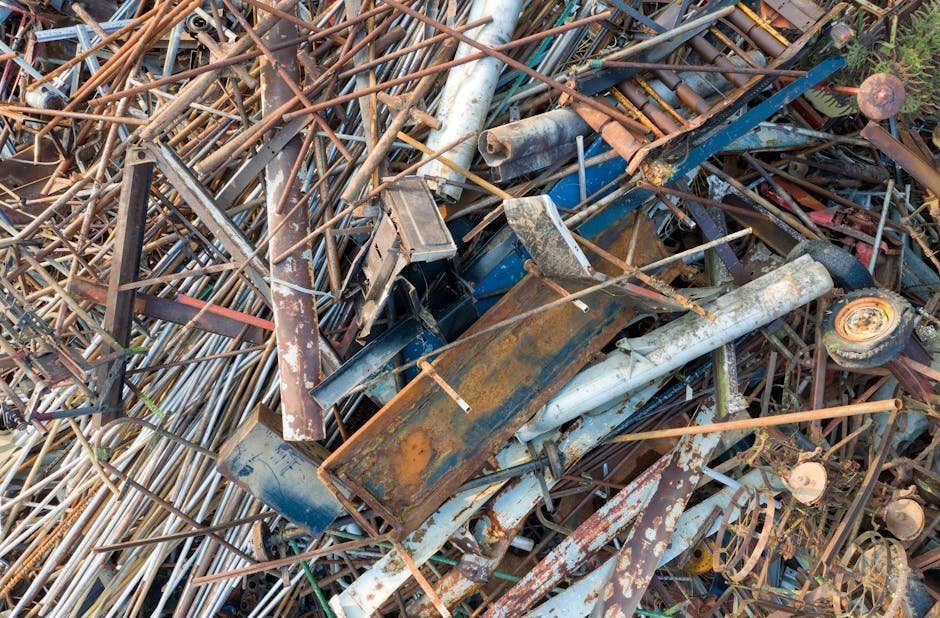
The value of your scrap is intrinsically linked to its grade. In the scrap metal Glendale market, materials are broadly categorized into ferrous and non-ferrous metals. Ferrous metals, such as iron and steel, contain iron and are magnetic; these are typically traded in high volumes. Non-ferrous metals, including copper, aluminium, brass, and stainless steel, command higher prices due to their scarcity and the energy-intensive nature of their primary production. To ensure you receive the best rates, you must understand how to separate these materials. Contamination is the primary reason for price downgrades at any metal scrap yard near me. For instance, a load of high-grade copper wire that contains plastic insulation or steel fittings will be classified as a lower grade, significantly reducing your payout. Professional recyclers use spectrometers to verify alloy compositions, meaning your pre-sorting efforts are directly rewarded.
The Recycling Process: From Collection to Commodity
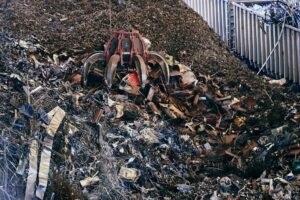
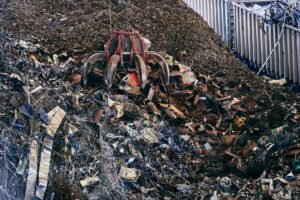
The journey of scrap metal from a Glendale job site to a finished product is a sophisticated industrial operation. Upon arrival at a facility, the scrap undergoes rigorous weighing and inspection. Following this, the material is shredded, sheared, or baled to densify the product for transport. Advanced separation technologies, such as eddy current separators and magnetic drums, are then employed to isolate specific metals from mixed waste streams. This processed material is then sold to smelters and refineries, where it is melted down into ingots or billets to be used in new manufacturing. By engaging with industry leaders like Crg Scrap Metal, you ensure that your materials are handled through an efficient, transparent, and environmentally compliant supply chain. This process reduces the need for virgin ore mining, which is a resource-intensive and ecologically disruptive practice.
Economic Impacts and Market Trends
Staying informed about the scrap metal Glendale market is essential for anyone looking to optimize their revenue. Global commodity prices, driven by demand in manufacturing hubs like China and India, dictate the local rates you see on the scale. When global supply chains tighten, the value of scrap increases. We track these movements in our Scrap Metal Prices report to help you decide the optimal time to sell. Furthermore, the volatility of the Australian dollar plays a significant role in export parity pricing. Savvy traders monitor these indicators to time their sales during peak market cycles. For a deeper dive into the specific economic drivers, consult our Ultimate Guide to scrap metal prices in Australia. Understanding these trends allows you to treat your scrap inventory as a financial asset rather than a waste management liability.
Environmental Benefits of Metal Recycling
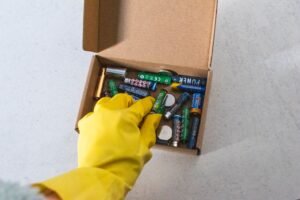
The environmental case for recycling is overwhelming. Producing aluminium from recycled scrap consumes approximately 95% less energy than producing it from bauxite ore. Similarly, steel recycling reduces water usage by 40% and air pollution by 86%. By participating in scrap metal Glendale recycling programs, you are directly contributing to a reduction in greenhouse gas emissions and the preservation of landfill space. Modern recycling facilities are designed to capture hazardous components—such as lead-acid batteries or refrigerant gases—that would otherwise leach into the local ecosystem. Choosing to work with a certified recycler, such as the experts at Scrap Trade or those listed on Scrap Trade Australia, guarantees that your materials are processed according to the highest sustainability standards, supporting a circular economy that benefits future generations.
Logistics and Site Management Tips
Efficiency in scrap management starts on your site. Implementing a color-coded bin system for different metal grades prevents cross-contamination and simplifies the sorting process. For large-scale industrial projects, scheduling regular pickups is more cost-effective than sporadic disposal. Consider the weight-to-volume ratio of your scrap; compacting your light-gauge aluminium or steel can significantly reduce your transport costs. Always ensure that your scrap is free from hazardous materials like asbestos or radioactive contaminants, as these can lead to heavy fines and facility rejection. By maintaining a clean and organized scrap storage area, you improve site safety and ensure that your materials are ready for immediate weighing when they reach the yard. This level of professionalism not only speeds up your transaction time but also builds a strong relationship with your local scrap merchant, often leading to better service and more favorable pricing terms.
Future Outlook: Technology and Sustainability
The scrap metal industry is currently undergoing a digital transformation. From mobile apps that provide real-time pricing alerts to blockchain-based tracking that verifies the origin and carbon footprint of recycled materials, technology is making the industry more transparent than ever. In the coming years, we expect to see an increased focus on the recovery of rare earth metals from electronic waste, which will open new revenue streams for scrap collectors. As Glendale continues to develop, the integration of smart waste management systems will become the standard. By staying ahead of these technological shifts, you position yourself to capitalize on emerging opportunities in the scrap sector. The transition toward a truly circular economy is not just a regulatory requirement but a competitive advantage for businesses that prioritize sustainability and efficient resource recovery.
Frequently Asked Questions
What is the most valuable scrap metal I can collect?
Copper is consistently the most valuable common scrap metal due to its high demand in electrical and plumbing industries. Clean, bright copper wire and heavy copper pipe command the highest prices at scrap yards.
How should I prepare my scrap metal for the best price?
Sort your metals into distinct categories like copper, aluminium, brass, and steel to avoid contamination. Remove non-metallic attachments such as plastic insulation, wood, or rubber gaskets, as these reduce the overall grade and value of your load.
Why does the price of scrap metal change so often?
Scrap metal prices are driven by global commodity markets, currency exchange rates, and international manufacturing demand. Local yards adjust their buy prices based on these shifting global benchmarks to remain competitive while covering processing costs.
Is it worth recycling small amounts of scrap metal?
Yes, recycling small amounts is environmentally beneficial and can add up over time. While individual small loads may not yield significant cash, keeping a dedicated bin for metal waste prevents it from entering landfills and contributes to your long-term recycling efficiency.