
Navigating the landscape of scrap metal Maryknoll requires a sophisticated understanding of global commodity markets and local operational standards. Whether you are a commercial contractor clearing a site or a resident looking to dispose of household metals, understanding the lifecycle of your materials is the first step toward profitability and environmental stewardship. For those seeking professional services, finding a reliable Metal Scrap Yard Near Me is essential for ensuring your materials are processed according to Australian environmental regulations. As the industry evolves, staying informed about Scrap Metal Prices remains the most effective way to ensure you are receiving fair market value for your collection.
Understanding Metal Grades: Ferrous vs. Non-Ferrous
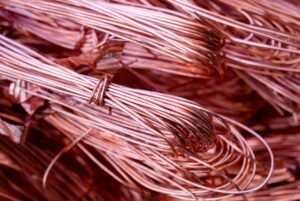
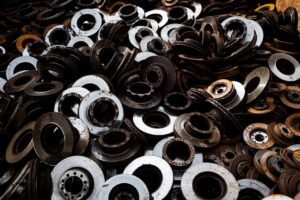
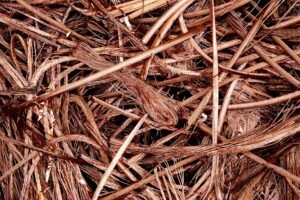
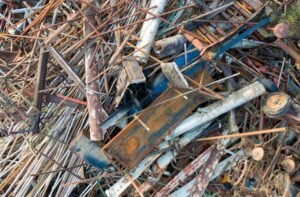
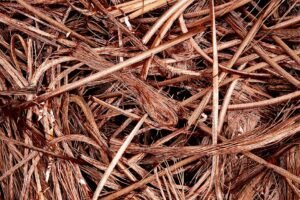
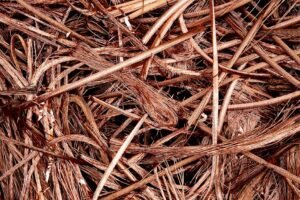
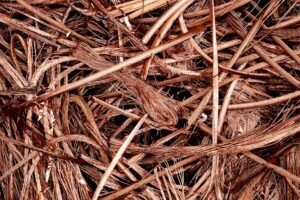
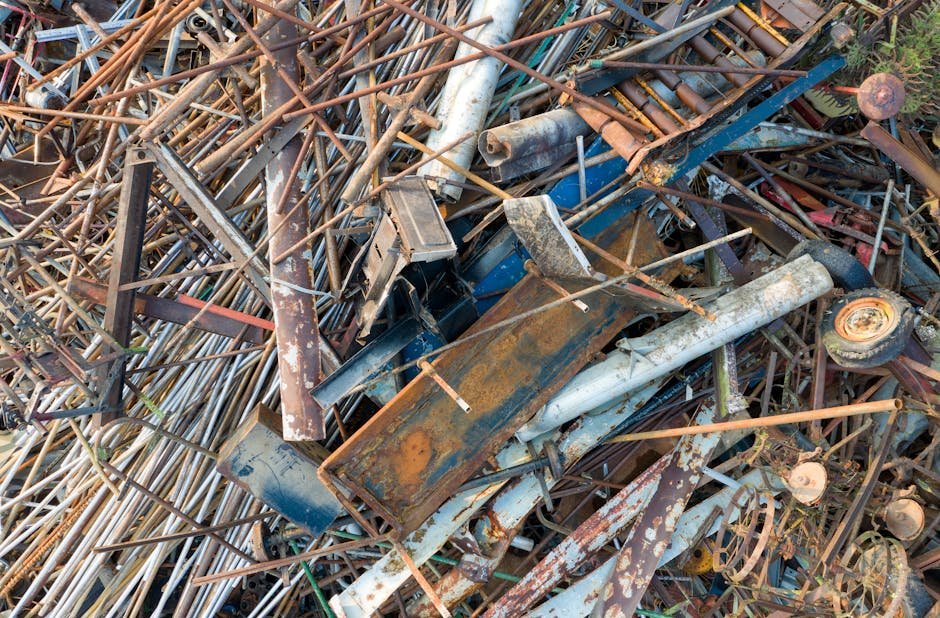
The primary distinction in the scrap industry lies between ferrous and non-ferrous metals. Ferrous metals, which contain iron, are magnetic and generally have a lower price point due to their abundance. Common examples include structural steel, cast iron, and wrought iron. In the context of scrap metal Maryknoll operations, these materials are often processed in high volumes using hydraulic shears and balers. Conversely, non-ferrous metals—such as copper, aluminum, brass, and lead—do not contain iron and are highly prized for their resistance to corrosion and infinite recyclability. Copper, in particular, is a high-value commodity often tracked closely in the Ultimate Guide to scrap metal prices in Australia. To maximize your returns, it is critical to separate these materials at the source. Mixing high-grade copper with ferrous steel will downgrade the entire load to the lowest common denominator price. Professionals at Crg Scrap Metal emphasize that clean, sorted loads are processed faster and yield higher payouts because they require less labor for the facility to refine.
The Mechanics of Professional Recycling
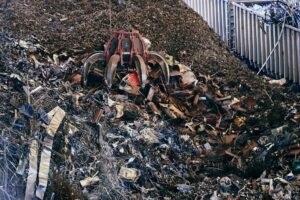
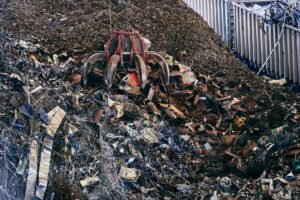
The recycling process at a modern facility is a highly engineered operation designed to recover maximum purity from mixed waste streams. Upon arrival, scrap is weighed on certified industrial scales to establish a baseline for payment. The material then undergoes a rigorous sorting process. Advanced facilities utilize eddy current separators for non-ferrous metals and high-powered magnetic drums to pull ferrous materials from the stream. For complex items like electronics or automotive parts, manual dismantling is often required to isolate valuable components like circuit boards or catalytic converters. The goal of this professional metal recycling network is to transform waste into high-quality secondary raw materials that can be fed directly back into manufacturing supply chains. By utilizing Australian scrap industry experts, businesses can ensure that their waste management practices comply with the latest sustainability standards, effectively turning a disposal cost into a revenue stream.
Environmental Benefits of Scrap Recycling
The environmental impact of recycling scrap metal is profound, providing a critical buffer against the resource-intensive process of mining virgin ores. Extracting iron ore, bauxite, and copper requires massive energy inputs, significant land disturbance, and the consumption of vast quantities of water. In contrast, recycling steel consumes approximately 75% less energy than producing it from raw iron ore. For aluminum, the savings are even more dramatic, with recycling requiring up to 95% less energy. By supporting scrap metal Maryknoll initiatives, individuals and businesses contribute to a circular economy that significantly reduces greenhouse gas emissions. Furthermore, recycling prevents hazardous materials—such as lead-acid batteries and mercury-containing switches—from leaching into local soil and groundwater. This proactive approach to waste management is not just an economic decision; it is a fundamental pillar of modern environmental responsibility in Victoria.
Market Trends and Economic Factors
The scrap metal industry is inherently tied to global industrial demand, particularly in manufacturing hubs like China, India, and the United States. When global construction projects surge, the demand for steel and copper skyrockets, driving up prices. Conversely, economic downturns can lead to a softening of demand. It is vital for scrap sellers to understand that price volatility is a natural feature of this market. Factors such as shipping costs, currency fluctuations, and local supply chain disruptions also play a role. To stay ahead, sellers should monitor indices and maintain a relationship with a trusted yard that provides transparent pricing. Understanding the difference between ‘clean’ scrap and ‘dirty’ scrap—material contaminated with plastic, wood, or dirt—is essential. Contamination adds weight but reduces the value of the load, as it requires additional processing. Always aim to deliver clean, sorted materials to secure the best possible rates in the current economic climate.
Logistics and Site Management
For large-scale industrial projects, logistics are just as important as the scrap itself. Managing scrap on-site requires a strategic approach to storage and collection. Implementing a bin system where different metals are separated at the point of origin can save thousands of dollars in labor and transportation costs. Large-scale generators should work with recycling partners to coordinate efficient pick-up schedules that minimize site congestion. Safety is paramount; all scrap handling must comply with Australian Work Health and Safety (WHS) regulations. This includes the proper securing of loads during transport and the use of appropriate personal protective equipment (PPE) when handling sharp or heavy metal objects. By treating scrap as a valuable raw material rather than ‘trash,’ project managers can recover significant capital that can be reinvested into their core business operations.
Future Outlook: Technology and Sustainability
The future of the scrap industry lies in automation and improved material identification. New technologies, such as handheld X-ray fluorescence (XRF) analyzers, allow operators to identify the precise elemental composition of a metal alloy in seconds. This level of precision ensures that high-value alloys are not lost in the general scrap stream. As Australia moves toward a more sustainable future, the role of local recycling hubs will only grow in importance. Government policies are increasingly incentivizing the use of recycled content in manufacturing, which will further stabilize demand for high-quality scrap. For those involved in the scrap metal Maryknoll ecosystem, the message is clear: the transition to a circular economy is well underway, and those who prioritize clean, efficient, and ethical recycling practices will be the primary beneficiaries of this shift. Investing in better sorting infrastructure and staying educated on market fluctuations are the keys to long-term success in the metal recycling industry.
Frequently Asked Questions
How do I know if my metal is ferrous or non-ferrous?
The easiest way to test is to use a magnet. If the magnet sticks to the metal, it is ferrous (iron-based); if it does not, it is non-ferrous, which typically holds a higher market value.
What should I do before taking my scrap to a yard?
Sort your metals by type and remove any non-metal attachments like plastic, rubber, or wood. Clean, segregated loads are processed much faster and often command better pricing at the scales.
Why do scrap metal prices fluctuate so often?
Scrap prices are commodities-based and influenced by global supply and demand, international shipping costs, and the current market price of the virgin ore equivalent. Local economic conditions and regional industrial activity also play a significant role.
Is it worth recycling small amounts of scrap metal?
Yes, especially if you have high-value non-ferrous metals like copper or brass. Even small quantities contribute to resource conservation and the circular economy, and many yards are happy to accept smaller deliveries.