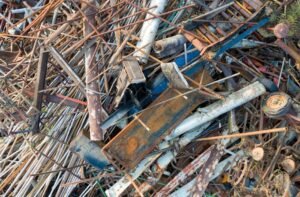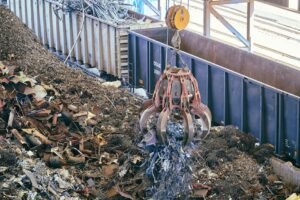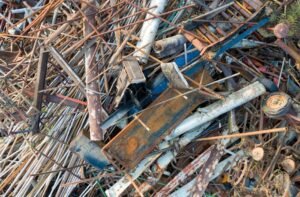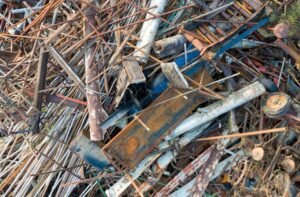

The scrap metal marketplace is a dynamic and increasingly important part of Australia’s resource management system. From household clear-outs to large-scale industrial demolition, vast quantities of scrap metal are generated daily. Understanding how this marketplace functions – from identifying different metal grades to the recycling process and the environmental benefits – is crucial for both those looking to dispose of scrap and businesses seeking to source secondary materials. This comprehensive guide will delve into all aspects of the Australian scrap metal industry, providing you with the knowledge to navigate it effectively.
Understanding Scrap Metal Grades
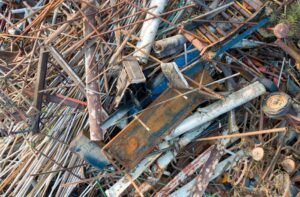
Not all scrap metal is created equal. Different metals have different values based on their composition, purity, and demand. Correctly identifying the grade of your scrap is the first step to maximizing your returns. Here’s a breakdown of common scrap metal grades:
- Ferrous Metals: These contain iron and are magnetic. The most common ferrous scrap includes:
- Steel: The most widely recycled metal globally. Sub-grades include light steel (e.g., sheet metal, appliances), heavy steel (e.g., structural steel, machinery parts), and alloy steels (containing other elements for specific properties).
- Cast Iron: Often found in engine blocks, pipes, and cookware.
- Stainless Steel: While containing iron, stainless steel also includes chromium, nickel, and other elements, making it corrosion-resistant. It’s graded into different series (e.g., 304, 316) based on its composition.
- Non-Ferrous Metals: These do not contain iron and are not magnetic. They generally command higher prices than ferrous metals. Common non-ferrous scrap includes:
- Aluminum: Lightweight and highly recyclable, found in cans, window frames, and automotive parts. Different alloys affect its value.
- Copper: Excellent conductor of electricity, used in wiring, plumbing, and industrial machinery.
- Brass: An alloy of copper and zinc, often used in plumbing fixtures, musical instruments, and decorative items.
- Lead: Used in batteries, roofing, and radiation shielding. Handling requires specific safety precautions.
- Zinc: Used in galvanizing steel to prevent rust, and in die-casting alloys.
- Nickel: Used in stainless steel and batteries.
Accurate grading is essential. Many scrap yards will assess your material and adjust the price accordingly. If you’re unsure about the grade, it’s best to consult with a reputable scrap metal dealer. You can find more information about current Scrap Metal Prices on our platform.
The Scrap Metal Recycling Process
Once collected, scrap metal undergoes a multi-stage recycling process:
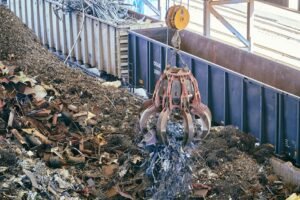
- Collection & Sorting: Scrap is collected from various sources – households, businesses, demolition sites, and manufacturers. It’s then sorted by grade using magnets, eddy current separators, and manual inspection.
- Processing: Sorted scrap is processed to prepare it for melting. This may involve shredding, crushing, baling, or shearing.
- Melting: The processed scrap is melted in furnaces, removing impurities and creating molten metal.
- Refining: The molten metal may undergo further refining to achieve the desired purity and composition.
- Casting & Manufacturing: The refined metal is cast into new products, completing the recycling loop.
Modern recycling facilities employ advanced technologies to maximize efficiency and minimize environmental impact. The process not only conserves valuable resources but also reduces the energy consumption associated with mining and processing virgin materials. If you’re looking to purchase scrap metal for your business, our platform connects you with reliable suppliers.
Environmental Benefits of Scrap Metal Recycling
Recycling scrap metal offers significant environmental advantages:
- Resource Conservation: Recycling reduces the need to mine virgin ores, preserving natural resources and minimizing habitat destruction.
- Energy Savings: Producing new metal from scrap requires significantly less energy than producing it from raw materials – often up to 95% less for aluminum.
- Reduced Landfill Waste: Diverting scrap metal from landfills reduces waste volume and prevents potential soil and water contamination.
- Lower Greenhouse Gas Emissions: The energy savings associated with recycling translate to lower greenhouse gas emissions, mitigating climate change.
- Reduced Pollution: Mining and processing virgin ores can generate significant air and water pollution. Recycling minimizes these impacts.
The scrap metal marketplace plays a vital role in promoting a circular economy, where materials are reused and recycled rather than discarded. Choosing to recycle your scrap metal is a responsible and sustainable practice.
Finding the Right Scrap Metal Buyer
Several options exist for selling your scrap metal in Australia:
- Local Scrap Yards: These are the most common option, offering convenience and immediate payment.
- Mobile Scrap Metal Collectors: These services come to you, collecting scrap from your location.
- Online Marketplaces: Platforms like Scrap Trade connect you with a wider network of buyers, potentially leading to better prices.
- Auction Platforms: Some platforms allow you to auction scrap metal, potentially maximizing your returns for larger quantities.
When choosing a buyer, consider factors such as price, reputation, payment terms, and environmental practices. Ensure the buyer is licensed and compliant with relevant regulations. You can easily Sell Scrap Metal Near Me In 2026 using our directory.
Regulations and Compliance
The scrap metal industry in Australia is subject to various regulations aimed at preventing theft, ensuring environmental protection, and promoting fair trading practices. These regulations vary by state and territory. Key aspects include:
- Identification Requirements: Sellers may be required to provide identification to prevent the sale of stolen metal.
- Record Keeping: Scrap yards are typically required to maintain detailed records of all transactions.
- Environmental Permits: Recycling facilities must obtain environmental permits to operate legally.
- Weight Verification: Accurate weighing of scrap metal is crucial for fair pricing.
It’s important to choose a buyer who is fully compliant with all applicable regulations. This ensures that your scrap is handled responsibly and ethically.
Maximizing Your Returns in the Scrap Metal Marketplace
Here are some tips for maximizing your profits when selling scrap metal:
- Sort Your Scrap: Separating different metal grades will significantly increase your returns.
- Remove Non-Metal Components: Remove any plastic, wood, or other non-metal materials from your scrap.
- Clean Your Scrap: Removing dirt and debris can improve the quality and value of your scrap.
- Shop Around: Get quotes from multiple buyers to ensure you’re getting the best price.
- Consider Timing: Scrap Metal Prices fluctuate based on market demand. Researching price trends can help you time your sale strategically.
- Transport Your Scrap Efficiently: Minimize transportation costs by consolidating your scrap and choosing a convenient location.
The scrap metal marketplace offers opportunities for both individuals and businesses to generate income while contributing to a more sustainable future. By understanding the process and following these tips, you can maximize your returns and make a positive impact on the environment.
Finding Local Recycling Solutions
Beyond selling your scrap, understanding local recycling infrastructure is vital. Many councils offer drop-off facilities for household scrap metal. Furthermore, specialized recyclers cater to industrial and commercial waste. Finding convenient and compliant options ensures responsible disposal. You can find Scrap Metal Recycling Near Me options through our comprehensive directory. ScrapTrade.com.au is dedicated to connecting you with verified and reputable recycling partners across Australia.
The Future of the Scrap Metal Marketplace
The scrap metal marketplace is evolving rapidly, driven by technological advancements and increasing environmental awareness. We can expect to see:
- Increased Use of Technology: Online platforms, mobile apps, and data analytics will play a greater role in connecting buyers and sellers and optimizing the recycling process.
- Greater Emphasis on Sustainability: Consumers and businesses will increasingly prioritize sustainable practices, driving demand for recycled materials.
- Expansion of Recycling Infrastructure: Investments in new recycling facilities and technologies will improve efficiency and capacity.
- Focus on Circular Economy: The shift towards a circular economy will create new opportunities for scrap metal recycling and reuse.
The future of the scrap metal industry is bright, offering significant economic and environmental benefits. By embracing innovation and sustainability, we can create a more resource-efficient and resilient future.
Australian buyers and sellers – visit scraptrade.com.au.
Frequently Asked Questions
What is the most valuable scrap metal?
Generally, copper and stainless steel are among the most valuable scrap metals due to their high demand and inherent material properties. However, prices fluctuate based on market conditions.
Is it legal to collect and sell scrap metal?
Yes, but regulations vary by state and territory. Sellers may need to provide identification, and scrap yards are required to keep records of transactions to prevent theft and ensure compliance.
What happens to scrap metal after it’s recycled?
After recycling, scrap metal is melted down and refined into new metal, which is then used to manufacture a wide range of products, effectively closing the loop and reducing the need for virgin materials.
How can I find a reputable scrap metal dealer?
Look for licensed and insured dealers with a good reputation. Check online reviews, ask for recommendations, and ensure they comply with all relevant environmental regulations. Platforms like Scrap Trade can help you find verified buyers.