
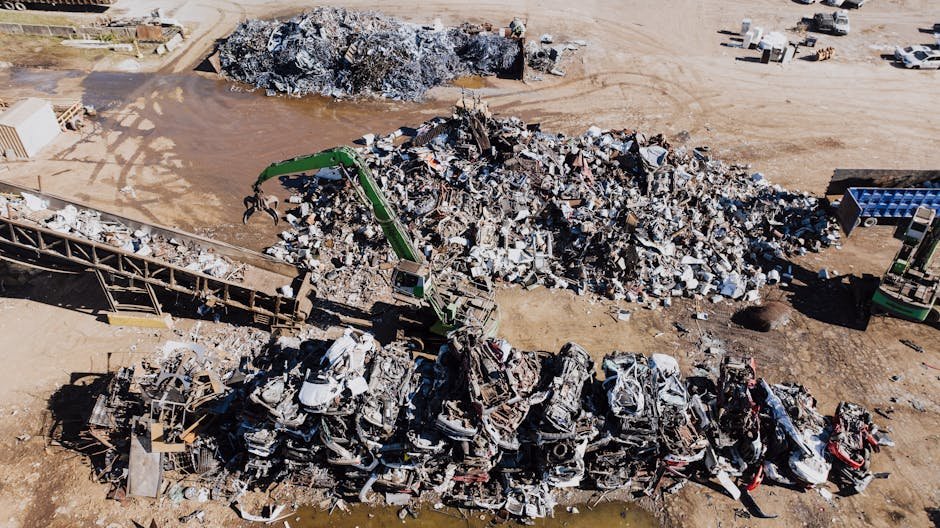

Navigating the landscape of a scrap yard Ipswich requires more than just knowing where to drop off your old appliances or industrial offcuts; it demands an understanding of global metal markets, precise grading techniques, and the logistics of circular economy practices. As Queensland’s industrial hub continues to expand, the demand for efficient metal recovery has never been higher, making it critical for businesses and residents to partner with established facilities. Whether you are managing commercial demolition waste or clearing out a residential shed, the process of recycling metal is a sophisticated operation that bridges the gap between waste management and raw material supply chains. For those searching for a Metal Scrap Yard Near Me, understanding the nuances of how these yards operate is the first step toward turning dormant assets into liquid capital.
Understanding Metal Grades and Market Valuation
The profitability of your scrap depends entirely on your ability to categorize materials according to industry standards. Metal is broadly divided into two categories: ferrous and non-ferrous. Ferrous metals, such as iron and steel, contain carbon and are magnetic. They are the backbone of construction and automotive manufacturing. Non-ferrous metals—including copper, aluminum, brass, and lead—are highly valued due to their infinite recyclability without loss of properties. At a high-quality scrap yard Ipswich, operators use X-ray fluorescence (XRF) analyzers to determine the exact chemical composition of alloys, ensuring that you receive a fair price based on the current LME (London Metal Exchange) data.
Copper is the gold standard of the scrap industry. It is graded based on purity, with ‘Bright and Shiny’ copper wire fetching the highest premiums. Contamination, such as solder, insulation, or paint, significantly reduces the grade and, consequently, the payout. Aluminum is similarly graded; cast aluminum, extrusions, and clean sheets all command different prices. When preparing your load, segregation is your most powerful tool. Mixing grades forces the yard to process the material as ‘mixed scrap,’ which attracts the lowest price point. By keeping your copper pipes separate from your aluminum window frames, you maximize the efficiency of the yard’s sorting process and your own profit margin.
The Industrial Recycling Process: From Yard to Mill
Once your scrap arrives at the facility, it undergoes a rigorous transformation process. Large-scale operations utilize industrial shredders, hydraulic shears, and balers to consolidate material. This is where the expertise of a Crg Scrap Yard becomes evident. The goal is to create dense, homogenous ‘feedstock’ that steel mills and refineries can immediately use in their furnaces. Without this processing, the energy required to smelt raw ore would be exponentially higher. By providing clean, processed scrap, yards contribute directly to the reduction of carbon emissions associated with virgin metal extraction.
For those involved in large-scale industrial projects, leveraging a B2b Scrap Trading Platform can streamline the logistics of moving massive quantities of scrap. These platforms connect generators of scrap directly with processors, ensuring transparency in pricing and scheduling. It is a modern approach to an age-old industry, replacing manual negotiation with data-driven market insights. If you are operating in other regions, comparing your local experience with a Scrap Yard Campbelltown: Grades, Recycling, and standards guide can help you understand the consistency of industry practices across the Australian landscape. The core principles remain the same: clean, dry, and sorted materials will always yield the best returns.
Environmental Benefits of Professional Scrap Recycling
The environmental imperative for recycling metal is staggering. The production of aluminum from recycled sources consumes approximately 95% less energy than producing it from bauxite ore. Similarly, steel recycling reduces water consumption by 40% and air pollution by 86%. When you choose to utilize a scrap yard Ipswich, you are actively participating in a closed-loop system that preserves natural landscapes from the degradation of open-cut mining. This is not just a moral choice; it is an economic necessity as global regulations tighten around carbon footprints and resource scarcity.
Furthermore, professional yards act as a filter for hazardous materials. Many scrap items, such as old car batteries, lead-acid components, and electronic waste, contain toxic substances that must be handled under strict environmental protocols. Reputable facilities in Ipswich are equipped to capture these toxins, preventing them from leaching into the soil or water table. For more information on how to optimize your recycling footprint, visit Scrap Trade Australia to learn about industry best practices. They provide comprehensive insights into the regulatory environment that governs modern scrap management.
Logistics and Practical Tips for Scrap Delivery
Efficiency in the scrap yard starts with your transport strategy. If you are delivering significant volumes, ensure your vehicle is appropriately rated for the weight. Many yards utilize weighbridges that provide precise, certified scale tickets. Always request a copy of this ticket to ensure your records align with the payment received. For commercial clients, scheduling regular pickups can prevent the accumulation of scrap on-site, which often becomes a safety hazard and a liability concern. Keeping your scrap yard area clean and organized not only improves safety but also makes the sorting process faster when the time comes to transport it.
Another tip for the serious scrapper: keep an eye on market trends. Metal prices are volatile and influenced by global demand, particularly from manufacturing powerhouses in Asia. A savvy trader knows when to hold onto inventory during a market dip and when to sell during a surge. While the scrap yard Ipswich can provide guidance on current trends, doing your own research on Scrap Trade resources will give you a competitive edge. Remember that cleanliness is the primary driver of value; removing steel bolts from copper or plastic casings from wires can elevate your scrap from a ‘dirty’ grade to a ‘clean’ grade, effectively doubling your per-kilogram payout.
The Future of Metal Trading in Queensland
As we look toward the future, the integration of technology into the scrap industry is accelerating. We are seeing the adoption of blockchain for supply chain traceability, allowing manufacturers to verify the recycled content of their raw materials. This is becoming increasingly important for companies aiming to achieve net-zero targets. The scrap yard Ipswich of the future will be a data-driven facility, where every piece of scrap is tracked from the moment it is collected to the moment it is melted down into a new component. This transparency is the key to building trust in the recycling industry and ensuring that the circular economy remains a viable, profitable model for everyone involved.
Ultimately, the success of the metal recycling sector depends on the collective effort of individuals and businesses. By choosing to recycle rather than dump, you are contributing to a sustainable future while capturing the inherent value of the materials you discard. Whether you are a hobbyist with a few kilograms of copper or a construction firm with tonnes of structural steel, your contribution matters. Engage with local professionals, stay informed on market grades, and maintain a commitment to clean sorting. This is how we build a robust, circular economy that benefits the Ipswich region and beyond.
Frequently Asked Questions
What is the difference between ferrous and non-ferrous scrap?
Ferrous metals contain iron and are magnetic, such as steel and iron, while non-ferrous metals do not contain iron and are non-magnetic, such as copper, aluminum, and brass. Non-ferrous metals are generally more valuable and highly sought after due to their versatility.
How can I get the best price for my scrap metal?
The best way to maximize your payout is to clean and sort your metals by type and grade before arriving at the yard. Removing contaminants like plastic, insulation, or other metal types significantly increases the value of your load.
Why is the environmental impact of recycling metal so high?
Recycling metal requires significantly less energy than mining and refining virgin ore. For instance, recycling aluminum saves 95% of the energy required for primary production, drastically reducing carbon emissions.
Do I need to make an appointment to drop off scrap?
While most scrap yards accept walk-ins, it is highly recommended to call ahead if you have a large volume or require specialized services like bin hire. This ensures the yard has the capacity and equipment ready to process your material efficiently.