
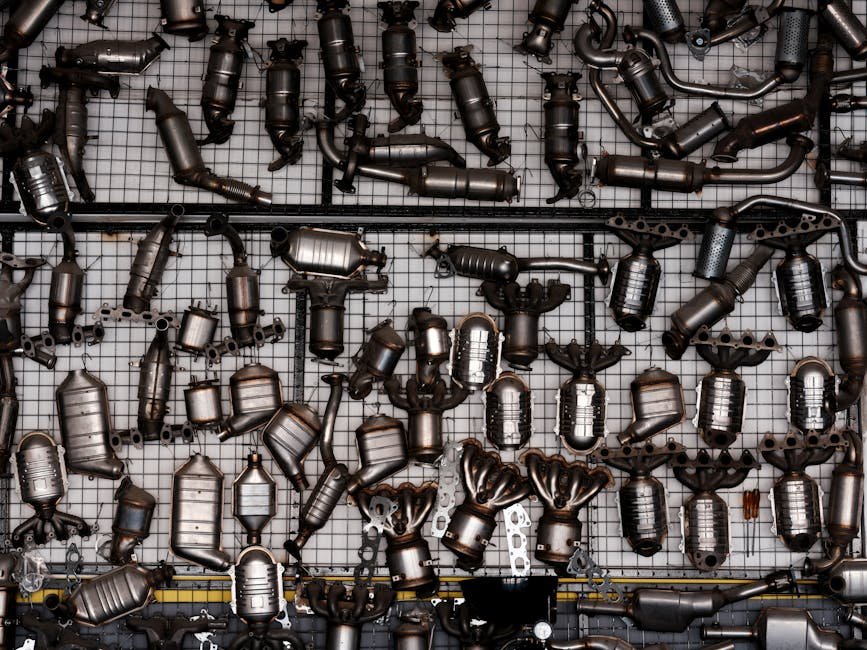

Understanding how much do used catalytic converters sell for is the first step for any scrap metal collector or vehicle owner looking to monetize end-of-life automotive components. Because these units contain significant quantities of precious metals, they are among the most valuable items in the scrap industry. Navigating the market requires more than just knowing a price; it demands a deep understanding of metal refining, serial number identification, and the regulatory landscape in Australia. Whether you are a professional wrecker or an individual, you must learn to assess the value based on the specific chemistry of the catalyst.
The Economics of Catalytic Converter Pricing
The primary reason for the high value of these units lies in the ceramic honeycomb structure coated with platinum, palladium, and rhodium. These Platinum Group Metals (PGMs) are critical for reducing vehicle emissions. When you ask how much do used catalytic converters sell for, you are essentially asking about the current spot price of these three metals on the global commodity markets. Palladium and rhodium, in particular, have seen massive price fluctuations over the last decade due to supply chain constraints and increased emission standards.
Refiners evaluate converters based on the specific load of these metals. A converter from a large diesel truck will naturally contain more material than a compact sedan, but the concentration of rhodium—the most expensive of the three—is often higher in modern petrol engines. To maximize your returns, you should Sell Used Products On Scrap Trade, where transparency in grading ensures you get paid for the actual metal content rather than a blind bulk price.
Market volatility means that prices can change weekly. If you are holding a large inventory, it is vital to track the London Metal Exchange (LME) prices. Dealers who offer a flat rate are often hedging against these fluctuations, which usually results in a lower payout for the seller. Always seek a buyer who uses professional X-ray fluorescence (XRF) analysis to provide a quote based on the specific serial number of the unit.
Identifying and Grading Your Converters
Before you approach a scrap dealer, you must identify the converter. Every unit has a unique serial number stamped into the metal housing. This code is the “gold key” to the transaction. By inputting this number into a specialized database, you can determine the exact make, model, and year of the vehicle it came from, which correlates directly to its PGM content. If the serial number is rusted or unreadable, the value drops significantly because the buyer must rely on a visual estimate, which is inherently risky.
For those looking to deepen their knowledge, our Where to Sell Platinum From Catalytic Converters: Expert Guide provides a comprehensive breakdown of how to handle these components safely and legally. Never attempt to remove the honeycomb material yourself; the dust is toxic and the legal implications of improper disposal are severe. Instead, keep the unit intact and present it to a licensed facility. If you are unsure of your unit’s value, you can Ecotrade Group Catalytic Converters analysis tools to gain a better estimate of the PGM yield.
Quality grading also considers the physical condition of the unit. A converter that has been gutted or tampered with is essentially worthless. The ceramic substrate must be intact and free from excessive contamination or damage. Buyers will also check for “aftermarket” labels. OEM (Original Equipment Manufacturer) converters are significantly more valuable than aftermarket replacements because OEM units are built to higher standards with higher precious metal loadings.
How to Secure the Best Price for Scrap
To ensure you receive the best price, you must move beyond the local “cash for scrap” yard that offers a generic price per kilo. These yards often resell to larger refining operations, taking a significant cut of the profit. To get the best price, you need to sell directly to a refinery or a high-volume processor. If you are ready to move your inventory, you can Learn How To Sell Used Products Online to reach a broader network of verified buyers who prioritize direct procurement.
Building a relationship with a reputable buyer is key. If you are a consistent supplier, you will gain access to better pricing tiers. When calling for quotes, always have your serial numbers ready. A professional buyer will ask for these immediately. If they don’t, they are likely low-balling you. Furthermore, consider the logistics. Shipping heavy converters can be expensive, so calculate your net profit by subtracting freight costs from the quoted price. For Australian sellers, checking local resources at scrap metal trading Australia can help you identify regional hubs that minimize transport overheads.
Timing your sale is another expert tactic. If you know the price of rhodium is trending upward, it may be worth holding your stock for a few weeks. Conversely, if the market is cooling, it is better to liquidate your inventory to avoid further depreciation. This is why keeping a ledger of your units and their associated metal values is a hallmark of a successful scrap trader.
Compliance and Documentation Requirements
The scrap metal industry is heavily regulated to prevent the trade of stolen goods. When you sell, you must be prepared to provide identification and, in many cases, proof of ownership or a business license. The Australian government has implemented strict guidelines for scrap metal dealers under the Second-hand Dealers and Pawnbrokers Act. These laws require that all transactions be recorded, including the identity of the seller and the details of the items sold.
When you arrive at a facility, expect to present a driver’s license or passport. If you are a business, you will need an ABN and potentially a waste transport permit depending on the volume. Documentation also serves to protect you. A legitimate buyer will provide a receipt that details the serial numbers of the converters, the weight, and the agreed-upon price. Never accept a cash payment without a corresponding paper trail or digital invoice. This documentation is essential for your own tax reporting and serves as proof that you are operating within the legal framework of the industry.
Furthermore, some states require that converters be marked or tagged in a specific way to track their origin. Failure to comply with these requirements can lead to the seizure of your goods and significant fines. Always verify that your chosen buyer is registered with the relevant state environmental protection agency. This ensures that the refining process is environmentally compliant and that you are not indirectly contributing to illegal dumping or hazardous waste mismanagement.
Market Trends and Future Outlook
The question of how much do used catalytic converters sell for is evolving as the automotive industry shifts toward electric vehicles (EVs). While EVs do not use catalytic converters, the demand for PGMs remains high in other industrial sectors, and the existing fleet of internal combustion engine vehicles will require replacement parts for decades to come. This creates a long-term secondary market for recycled PGMs. As primary mining becomes more expensive and environmentally taxing, urban mining—the act of recovering metals from waste—will become the dominant source of supply.
We are also seeing a rise in “smart” recycling. Technology is now allowing for more precise analysis of PGM content, meaning that the days of “guessing” the value are numbered. As a seller, you should embrace this shift toward data-driven sales. Use digital platforms to track your inventory and compare quotes in real-time. The more information you have, the more leverage you hold during negotiations. The scrap metal market is no longer a “back-alley” business; it is a sophisticated, global trade that rewards those who treat it with the same level of professionalism as any other commodity sector.
Finally, consider the environmental impact. By recycling your converters, you are preventing hazardous materials from entering landfills and reducing the need for destructive open-pit mining. This is a compelling narrative for your customers if you are a reseller, and it is a point of pride for any individual collector. Responsible recycling is not just good for your wallet; it is a vital component of the circular economy that Australia is striving to build. Stay informed, stay compliant, and keep your inventory organized to maximize your long-term profitability in this high-stakes market.
Frequently Asked Questions
Why do catalytic converter prices vary so much?
Prices vary based on the specific concentration of platinum, palladium, and rhodium in the converter’s honeycomb core. Because these metal prices fluctuate daily on global markets, the value of each individual unit changes depending on its specific serial number and the vehicle model it originated from.
Do I need special documentation to sell a catalytic converter?
Yes, you generally need to provide valid photo identification, such as a driver’s license, and proof of ownership or business registration. Reputable scrap dealers are required by law to record these details to prevent the trade of stolen automotive parts.
Is it better to sell to a local yard or a specialized refinery?
Selling directly to a specialized refinery or high-volume processor usually yields a significantly higher price. Local yards often act as middlemen and take a percentage of the profit, whereas refineries pay based on the actual assayed metal content of the unit.
What happens if my catalytic converter’s serial number is missing?
If the serial number is unreadable, the converter is usually valued at a much lower ‘generic’ scrap rate. Buyers cannot accurately determine the PGM content without the serial number, so they must assume the lowest possible metal yield to mitigate their risk.