
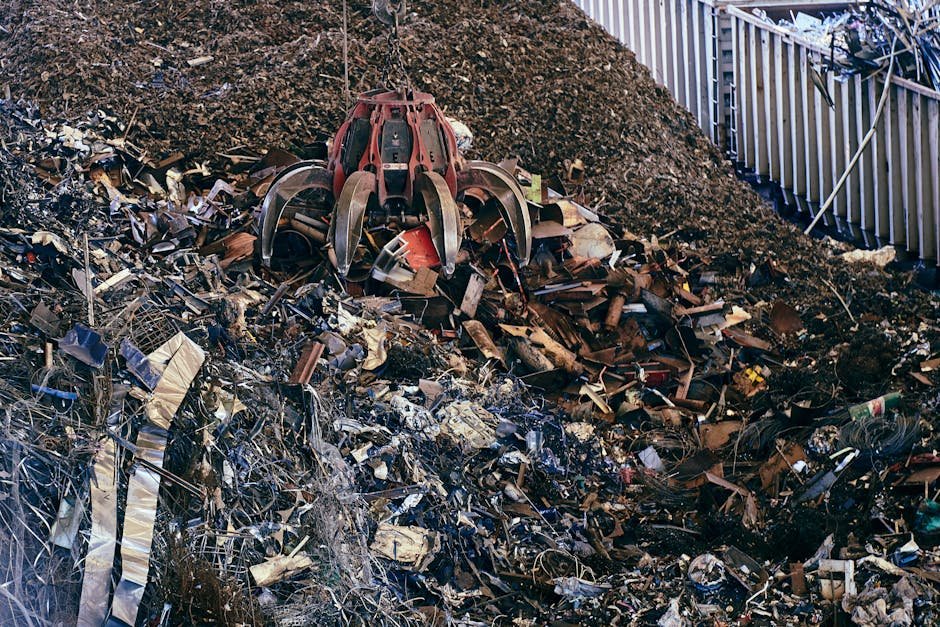

Navigating the landscape of scrap Purfleet requires a deep understanding of how global metal markets intersect with local processing capabilities. Whether you are an industrial contractor clearing a site or a business manager looking to optimize your waste stream, the ability to effectively Sell Scrap depends on your ability to categorize and prepare materials to industry standards. In the Australian context, scrap metal is not merely waste; it is a critical commodity that feeds the manufacturing sector, reducing the reliance on virgin ore extraction and lowering the carbon footprint of production. By engaging with professional facilities like Gmr Scrap, you ensure that your materials are handled through certified channels that prioritize environmental compliance and maximum recovery rates.
Understanding Metal Grades and Classification
The foundation of the Scrap industry lies in the rigorous classification of metals. Metals are broadly divided into two categories: ferrous and non-ferrous. Ferrous metals, such as iron and steel, contain iron and are magnetic. Non-ferrous metals, including copper, aluminium, brass, and lead, do not contain iron and are generally more valuable due to their corrosion resistance and electrical conductivity. When dealing with scrap Purfleet, knowing your grades is the first step toward profitability.
For instance, copper is categorized into grades like ‘Bright and Shiny’ (Number 1 copper wire), which commands the highest price, down to ‘Burnt’ or ‘Insulated’ copper, which requires more processing. Similarly, understanding Aluminium Scrap: Grades, Recycling Process, and market fluctuations allows you to separate high-value 6061 alloys from lower-grade cast aluminium. Contamination is the enemy of value. Even a small amount of steel or plastic mixed into a load of copper can downgrade the entire batch to a lower price bracket. Always use a magnet to test for iron content before bringing your haul to the facility.
The Lifecycle of Metal Recycling
The recycling process is a sophisticated industrial operation designed to transform scrap into high-purity raw materials. It begins with collection and transportation, where scrap is gathered from demolition sites, manufacturing facilities, and municipal sources. Once the material reaches the processing facility, it undergoes a multi-stage refinement process. First, the scrap is sorted using advanced technology, including X-ray fluorescence (XRF) analyzers, eddy current separators, and magnetic drums. These tools ensure that alloys are correctly identified and separated from impurities.
After sorting, the material is shredded or sheared to reduce its volume, making it easier to transport and feed into furnaces. The shredded scrap is then melted in high-temperature furnaces. During this stage, chemical additives may be introduced to adjust the alloy composition to meet specific industrial requirements. Finally, the molten metal is cast into ingots, billets, or rods, which are then sold back to manufacturers to create new products. This closed-loop system is the backbone of the circular economy, and choosing a reputable partner like Scrap Trade Australia ensures that your contribution to this cycle is verified and efficient.
Environmental and Economic Benefits
The environmental impact of recycling scrap metal is profound. Producing steel from recycled scrap requires approximately 75% less energy than producing it from virgin iron ore. For aluminium, the savings are even more dramatic, with recycling requiring up to 95% less energy. By diverting scrap from landfills, we prevent heavy metals and hazardous materials from leaching into the soil and groundwater, protecting local ecosystems in and around Purfleet.
Beyond environmental stewardship, the economic benefits are significant. The scrap industry provides thousands of jobs, from logistics and sorting to high-tech metallurgy. For businesses, implementing a robust scrap management program turns a cost center (waste disposal) into a revenue stream. By auditing your waste and identifying high-value metal streams, you can offset operational costs and improve your company’s ESG (Environmental, Social, and Governance) rating, which is increasingly important for modern compliance and client relations. You can find comprehensive resources on optimizing your scrap management at Scrap Trade.
Operational Best Practices for Scrap Management
To maximize the value of your scrap, establish a segregation strategy at the source. Do not wait until the end of a project to sort your metals; implement a color-coded bin system on your site. Label bins clearly for ‘Copper,’ ‘Brass,’ ‘Aluminium,’ ‘Stainless Steel,’ and ‘Mixed Ferrous.’ This simple step prevents cross-contamination and saves hours of labor during the sorting phase. Furthermore, keep your scrap clean. Remove excessive grease, oil, or non-metallic attachments like rubber or wood, as these will be deducted from the weight or result in a lower price per kilogram.
Stay informed about market trends. Metal prices are volatile and influenced by global supply chain events, currency fluctuations, and manufacturing demand in Asia and Europe. By monitoring these trends, you can decide when to stockpile materials and when to sell. Establish a relationship with your local scrap merchant; they can provide insights into current demand and help you understand how to prepare your specific material types for the best possible return. Consistency is key; regular, clean, and well-sorted deliveries will always be prioritized by scrap dealers.
Future Trends in the Scrap Industry
The scrap industry is currently undergoing a digital transformation. We are seeing the rise of smart logistics, where IoT-enabled bins notify scrap dealers when they are full, optimizing collection routes and reducing carbon emissions. Additionally, advancements in AI-powered robotic sorting are allowing for the recovery of metals that were previously considered ‘unrecyclable’ due to complex compositions. As the global push for net-zero emissions intensifies, the role of scrap metal will only grow in importance, as it is the most viable path to decarbonizing the heavy manufacturing sector.
We are also seeing increased transparency in the supply chain. Blockchain technology is being explored to track the provenance of recycled metals, ensuring that manufacturers can guarantee the recycled content of their products. This is particularly relevant for the automotive and aerospace industries, which have strict requirements for material quality and sustainability. Staying ahead of these trends will position your business to take advantage of new market opportunities and ensure that you remain a competitive player in the scrap Purfleet ecosystem. By investing in better sorting technology and maintaining high standards of material purity, you are not just managing waste—you are participating in the future of sustainable industrial production.
Conclusion and Strategic Takeaways
The scrap industry is a vital component of the modern economy, bridging the gap between waste generation and sustainable manufacturing. By mastering the classification of metals, understanding the recycling process, and implementing effective on-site management practices, you can maximize the value of your scrap while contributing to a healthier environment. Whether you are dealing with large-scale industrial demolition or small-scale workshop cleanouts, the principles of purity, segregation, and timing remain the same. Always prioritize safety and environmental compliance, and seek out partners who operate with transparency and technical expertise. The transition to a circular economy is well underway, and your participation in the scrap market is a direct contribution to this global shift. Keep your materials clean, stay informed on market prices, and leverage professional services to ensure your scrap is processed with the highest efficiency possible.
Frequently Asked Questions
What is the most valuable type of scrap metal?
Copper is generally the most valuable non-ferrous metal due to its high demand in electrical and plumbing industries. ‘Bright and Shiny’ copper wire is typically the highest-priced grade.
How can I increase the value of my scrap metal?
The most effective way to increase value is to keep metals clean and properly segregated. Removing non-metallic attachments and keeping different alloys in separate, clearly labeled containers prevents contamination and ensures you receive the highest grade pricing.
Why is it important to use a certified scrap recycler?
Certified recyclers ensure that materials are processed in accordance with environmental regulations, preventing hazardous waste from entering the ecosystem. They also provide accurate weighing and fair market pricing, which is essential for business accounting.
How does the price of scrap metal change?
Scrap metal prices are determined by global commodity markets, which fluctuate based on supply, demand, and economic conditions. Factors like manufacturing output, mining production, and currency exchange rates all play a role in daily price adjustments.