
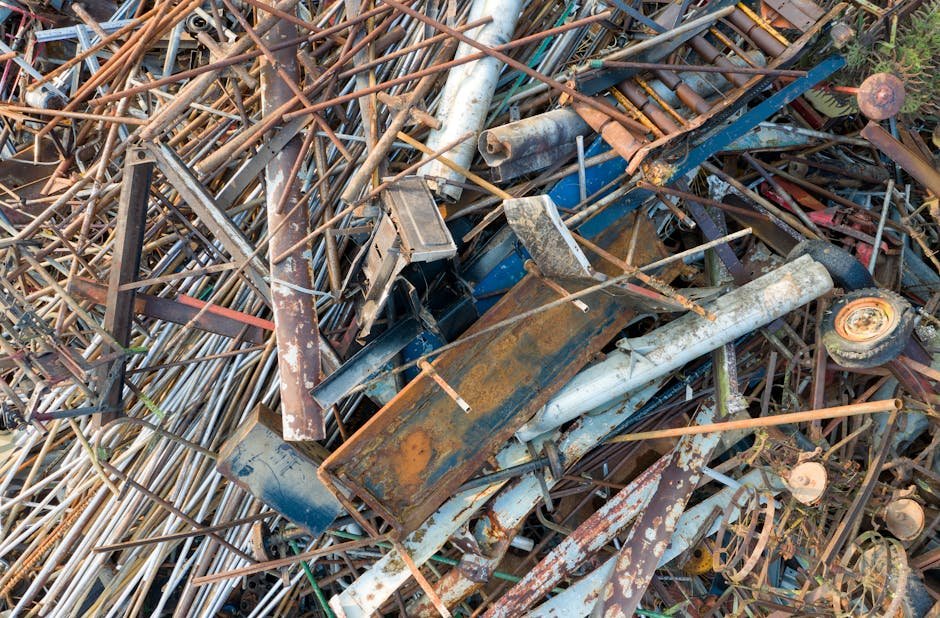

When you are buying scrap metal near me, the process is far more nuanced than simply driving to the nearest collection point. Whether you are a commercial contractor looking to offload industrial waste or an individual collector seeking raw materials for fabrication, understanding the Australian scrap market is essential. The industry operates on a tiered system of grades, global commodity pricing, and strict environmental regulations that dictate how materials are handled. By mastering these variables, you move from being a casual participant to a strategic player in the circular economy, ensuring you get the best value for your inventory while supporting sustainable industrial practices across Australia.
The Anatomy of the Australian Scrap Metal Market
The Australian scrap metal industry is a multi-billion dollar sector that serves as the backbone for domestic manufacturing and international export. When you consider buying scrap metal near me, you are engaging with a global supply chain. Trusted dealers act as the primary interface between raw waste and refined industrial input. The market is driven by the London Metal Exchange (LME) and local supply-demand dynamics. For instance, when global steel demand surges, local prices for ferrous metals follow suit. Understanding these fluctuations is critical for any serious trader. If you are looking for a Metal Scrap Yard Near Me, prioritize facilities that provide real-time data on Scrap Metal Prices, as this transparency is the hallmark of a professional operation.
Professional scrap yards are not just junkyards; they are sophisticated processing centers. They utilize heavy-duty hydraulic shears, shredders, and balers to reduce volume and prepare materials for smelting. When you visit a facility like Crg Scrap Metal, you are witnessing a high-tech operation designed to sort alloys, strip insulation from copper wire, and remove contaminants. This level of processing is what allows the recycling industry to achieve purity levels that rival virgin ore extraction. For those interested in the logistical side, professional scrap metal services offer the most streamlined path to compliant disposal and procurement.
Navigating Metal Grades and Quality Standards
Not all scrap is created equal. The profitability of your venture depends entirely on your ability to distinguish between metal grades. Ferrous metals, which contain iron, are generally lower in price but higher in volume. Non-ferrous metals—such as copper, aluminum, brass, and stainless steel—are the high-value commodities that drive the industry. When buying scrap metal near me, you must learn to identify these grades on sight. For example, ‘Bright and Shiny’ copper wire fetches a significantly higher price than ‘Burnt’ or ‘Insulated’ copper due to the lack of impurities and the ease of processing. Similarly, aluminum is graded based on its alloy composition; cast aluminum, extruded aluminum, and sheet aluminum all command different market rates.
To become an expert at identifying quality, you need to use the right tools. A simple magnet is your most valuable asset. If a magnet sticks, you are dealing with ferrous metal. If it doesn’t, you are likely looking at a non-ferrous material with higher intrinsic value. Furthermore, check for oxidation and surface contaminants. Paint, plastic coatings, and rubber seals are considered ‘attachments’ and will be deducted from your payout weight at a professional facility. Experienced traders ensure their scrap is ‘clean’ before arriving at the yard, which significantly increases the per-kilogram return. This process of cleaning and sorting is the primary way to maximize your profit margins in the scrap metal business.
The Role of Trusted Dealers and Local Infrastructure
Finding a trusted partner is the most important decision you will make in this industry. A reputable scrap buyer does more than just weigh your material; they provide certification of disposal, environmental compliance, and fair-market pricing. When searching for a local recycler, look for those that are members of the Australian Council of Recycling (ACOR). These organizations adhere to strict safety and environmental standards, ensuring that hazardous materials like lead-acid batteries or mercury-containing switches are handled without contaminating the local ecosystem. A Buying Scrap Metal guide would be incomplete without emphasizing the importance of site visits. Walk the yard, observe their sorting process, and ask about their export capabilities. A yard that exports directly to international smelters will almost always offer better pricing than a middleman who simply consolidates and sells to larger yards.
Local pickup services are another critical factor for commercial clients. If you are generating significant volumes of scrap—whether from demolition, manufacturing, or site clearing—you need a partner who offers reliable, scheduled bin services. A professional recycler will provide various bin sizes, from small skip bins to large 30-cubic-meter hook-lift containers. This keeps your site clean, improves safety, and streamlines the collection process. When negotiating these services, focus on the ‘turnaround time’ and the ‘transparency of the weight ticket.’ Always demand a digital weight ticket that clearly outlines the material grade, the gross weight, the tare weight, and the final net weight. This level of documentation is non-negotiable for professional operations.
Environmental Impact and the Circular Economy
Recycling metal is one of the most effective ways to reduce industrial carbon footprints. The energy required to recycle aluminum, for instance, is approximately 95% less than the energy required to produce it from bauxite ore. By engaging in the scrap metal trade, you are directly contributing to the preservation of natural resources and the reduction of landfill waste. This is the core of the circular economy: keeping materials in the production loop indefinitely. When you choose to recycle, you are preventing the release of methane from decomposing materials and reducing the need for destructive mining operations.
Furthermore, Australia’s commitment to the ‘National Waste Policy’ places a heavy emphasis on resource recovery. As a participant in this industry, you are helping Australia meet its international environmental obligations. This is why many councils and government bodies are now incentivizing the recycling of industrial scrap. If your business produces large amounts of waste, you may even be able to claim tax benefits or carbon credits depending on your specific industry and the volume of material diverted from landfill. Always consult with your tax advisor to see how your scrap recycling efforts can be integrated into your broader corporate social responsibility strategy.
Strategic Tips for Maximizing Scrap Value
To truly succeed in the scrap metal trade, you must treat it like any other commodity business. First, monitor the market. Metal prices are volatile and change daily. Use online tracking tools to see when prices are peaking and plan your sales accordingly. Second, keep your materials sorted. A mixed load of scrap is almost always valued at the lowest common denominator—the price of ‘dirty’ steel. By separating your copper, aluminum, and brass, you ensure that you are paid the premium rate for each specific grade. Third, build a relationship with your local yard manager. If you are a consistent supplier of high-quality, clean material, you can often negotiate better rates than the ‘walk-in’ price.
Finally, safety must be your top priority. Scrap metal sites are industrial environments with heavy machinery, sharp edges, and potential chemical hazards. Always wear appropriate personal protective equipment (PPE), including steel-capped boots, heavy-duty gloves, and high-visibility clothing. Never attempt to cut or dismantle pressurized containers or sealed units that may contain hazardous gases. If you are unsure about the safety of a particular item, ask the yard staff before attempting to move or process it. A professional yard will always prioritize safety over speed and will be happy to guide you on the best way to handle difficult materials.
Future Trends in Australian Metal Recycling
The future of the scrap metal industry in Australia is increasingly digital and automated. We are seeing the rise of AI-driven sorting technologies that can identify metal alloys in milliseconds using X-ray fluorescence (XRF) and laser-induced breakdown spectroscopy (LIBS). These advancements are making the recycling process more efficient and increasing the purity of the final product. For the average seller, this means more accurate grading and fairer pricing. Additionally, as the global demand for electric vehicles and renewable energy infrastructure grows, the demand for battery metals—such as lithium, cobalt, and nickel—is set to skyrocket. Savvy recyclers are already positioning themselves to handle these specialized materials.
The shift toward a ‘green’ economy is also driving innovation in how scrap is transported and processed. We are seeing a move toward electric-powered heavy machinery in scrap yards to reduce carbon emissions, and a greater emphasis on traceability. Blockchain technology is being explored to track the lifecycle of metals from the initial scrap collection to the final smelted product. This level of transparency will become the gold standard in the coming years. By staying informed and aligning yourself with forward-thinking recyclers, you ensure that your scrap metal operations are not only profitable but also resilient to the changing landscape of the global industrial economy.
Frequently Asked Questions
How do I know if the scrap metal I have is valuable?
The most valuable metals are non-ferrous, such as copper, brass, aluminum, and stainless steel. You can test for ferrous content using a magnet; if the magnet sticks, it is likely steel or iron, which is generally lower in value compared to non-ferrous metals.
What should I look for when choosing a scrap metal buyer?
Look for a buyer that offers transparent pricing, provides digital weight tickets, and is a member of industry bodies like ACOR. A reputable buyer should also have proper environmental permits and offer convenient services like bin hire or local pickup.
Does the condition of the scrap metal affect the price?
Yes, significantly. ‘Clean’ scrap—material free of plastic, rubber, paint, or other contaminants—fetches a much higher price because it requires less processing at the yard. Always try to strip wires and remove non-metallic attachments before selling.
How often do scrap metal prices change?
Scrap metal prices are tied to global commodity markets and can fluctuate daily. It is recommended to check current market trends or contact your local yard for the latest rates before bringing in a large load.