
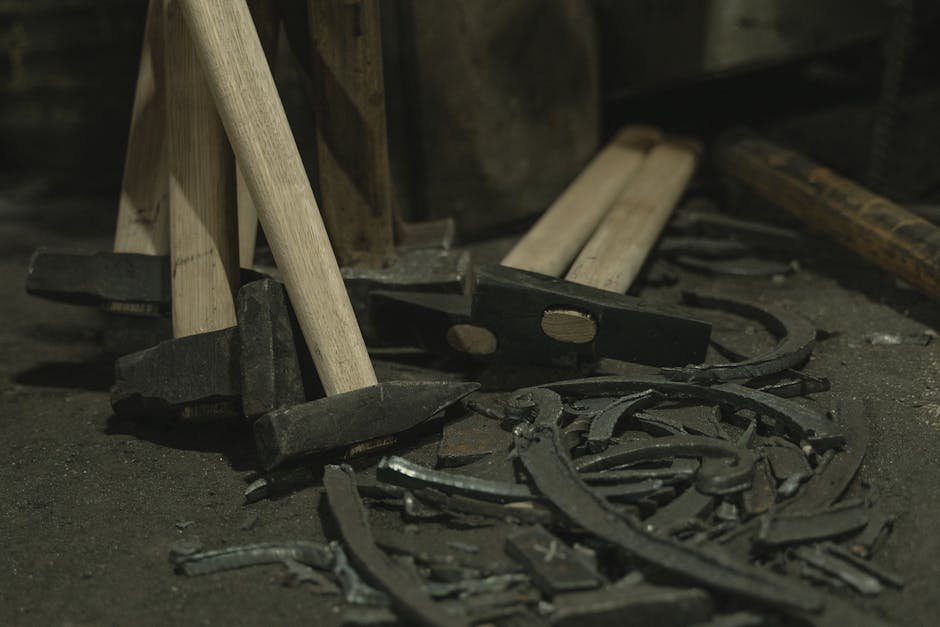

Understanding the value and composition of tools scrap is essential for contractors, tradespeople, and industrial facilities looking to optimize their waste management strategies. Whether you are clearing out a workshop or managing large-scale demolition debris, knowing how to identify, sort, and process your metal assets ensures you receive the highest market value. In the Australian market, the lifecycle of metal tools—from heavy-duty industrial drills to hand-held wrenches—represents a significant opportunity for circular economy participation. When you decide to Sell Scrap, you are not merely disposing of waste; you are contributing to a vital supply chain that reduces the demand for virgin ore extraction. As global commodity prices fluctuate, the ability to accurately grade your tools scrap becomes a competitive advantage for your business operations.
The Anatomy of Tools Scrap: Understanding Metal Grades
To effectively trade scrap, one must first master the art of grading. Most tools are manufactured from high-grade alloys designed for durability, which makes them highly desirable to recyclers. Ferrous metals, such as carbon steel and alloy steel, make up the bulk of heavy industrial tools. These are generally magnetic and categorized by their density and cleanliness. Conversely, non-ferrous components—such as brass fittings, copper wiring inside power tools, and aluminium casings—carry a higher price point per kilogram. If you are handling complex equipment, you may also encounter specialized materials like tungsten carbide in drill bits or high-speed steel (HSS) in cutting blades. These specific alloys are premium commodities. For those looking to manage diverse metal streams, Gmr Scrap facilities offer specialized processing for these high-value alloys. Always inspect your items for attachments like plastic handles, rubber grips, or battery packs, as these ‘contaminants’ can downgrade the value of your load. Stripping away non-metallic components before arriving at the yard is the most effective way to ensure your tools scrap is classified as ‘clean’ rather than ‘dirty’ scrap, which can lead to significant price differences at the weighbridge.
The Industrial Recycling Process: From Workshop to Raw Material
The journey of a recycled tool begins with collection and sorting. Once the material reaches a professional facility, it undergoes a rigorous multi-stage process. First, magnets are used to separate ferrous metals from non-ferrous metals. Following this, eddy current separators are employed to identify and eject non-magnetic metals like aluminium and copper. For power tools, the process is more complex; the unit must be dismantled to extract the electric motor, which contains valuable copper windings. This is often where you can find detailed insights into specific materials, such as our guide on Aluminium Scrap: Grades, Recycling Process, and applications. The remaining steel and iron are shredded into small, uniform pieces to facilitate melting. Shredding is critical because it exposes the surface area of the metal, allowing for faster and more efficient smelting in electric arc furnaces. Once melted, the molten metal is refined to remove impurities and adjusted to meet specific chemical compositions, eventually being cast into ingots for new manufacturing. This closed-loop system is the backbone of the Scrap industry, ensuring that high-quality steel and alloys remain in circulation indefinitely without losing their structural integrity.
Environmental Benefits and Economic Drivers
Recycling metal tools is one of the most effective ways to lower the carbon footprint of the manufacturing sector. Producing steel from recycled scrap requires up to 75% less energy than producing it from raw iron ore. This massive reduction in energy consumption translates into lower greenhouse gas emissions and less reliance on environmentally destructive mining practices. Furthermore, recycling preserves landfill space, which is an increasingly scarce resource in Australia’s urban centers. By participating in the scrap economy, businesses can demonstrate a commitment to sustainability, which is increasingly required for government tenders and corporate social responsibility reporting. From an economic perspective, scrap trading acts as a hedge against volatile raw material prices. When you choose to recycle, you are essentially reclaiming the embedded energy of the tools you once used. This is why professional metal recyclers like those found at Scrap Trade Australia emphasize the importance of proper sorting; the more effort you put into the front-end preparation, the more the environment and your bottom line benefit.
Best Practices for Sorting and Preparation
The difference between a mediocre payout and a profitable one often comes down to preparation. Start by creating a dedicated sorting station in your warehouse or workshop. Use clearly labeled bins for different categories: Ferrous (steel/iron), Non-Ferrous (copper/brass/aluminium), and Insulated Wire. For power tools, remove the battery packs immediately, as these are considered hazardous waste and require separate handling protocols. If you have a high volume of tools, consider investing in a small stripping tool to remove copper wiring from old motors—the value of the ‘clean’ copper is significantly higher than that of a complete motor assembly. Always keep your metal dry and free from oil or grease; contaminated metal is often rejected or downgraded because it creates dangerous fumes and impurities during the smelting process. If you have large quantities, call ahead to your local recycler to inquire about current market trends and specific yard requirements. Building a relationship with a reputable yard ensures you are kept informed about price shifts, allowing you to time your sales for maximum profitability. Remember that consistency in your sorting will eventually lead to faster turnaround times at the weighbridge, saving you valuable labor hours.
Navigating Market Trends and Price Volatility
The scrap metal market is global, and Australian traders are subject to international price fluctuations driven by demand from major manufacturing hubs like China, India, and the US. When global construction activity is high, the demand for steel and copper rises, pushing up the price of your tools scrap. Conversely, economic downturns can lead to a softening of prices. To navigate this, it is wise to monitor the London Metal Exchange (LME) and local market reports. Understanding these trends helps you decide whether to offload your scrap immediately or hold onto it until prices recover. Furthermore, keep an eye on domestic infrastructure projects; large-scale government works often lead to a high demand for recycled steel, which can influence local yard pricing. Always verify the credentials of your scrap buyer to ensure they are compliant with environmental regulations and offer fair, market-based pricing. A reputable buyer will be transparent about their grading criteria and provide a clear, itemized receipt for every transaction. By staying informed and maintaining high standards for your sorted materials, you turn a disposal task into a strategic financial decision.
Strategic Asset Management for Tradespeople
For the professional tradesperson, tools are an investment. However, every tool has a finite lifespan. Implementing a ‘scrap-as-you-go’ strategy prevents the accumulation of hazardous clutter and ensures that you are consistently liquidating depreciating assets. Instead of letting broken or obsolete gear gather dust in the back of a truck, establish a quarterly system for clearing out your inventory. This not only improves your workshop safety—reducing trip hazards and fire risks—but also provides a steady stream of secondary income. Consider the total cost of ownership: when a tool breaks, calculate the cost of repair versus the potential scrap value plus the replacement cost. Often, the scrap value can offset a portion of the new purchase price. Document your scrap sales as part of your business accounting; in many cases, these proceeds can be treated as business income, while the disposal of old assets provides a clean slate for tax depreciation on new equipment. By treating your scrap as a managed asset rather than waste, you integrate sustainable practices directly into your business model, positioning yourself as a modern, environmentally conscious operator in the competitive Australian trade landscape.
Frequently Asked Questions
What is the best way to prepare tools scrap for recycling?
The best preparation involves separating metals by type, such as ferrous from non-ferrous, and removing non-metallic attachments like plastic handles or rubber grips. Always remove batteries from power tools, as they are considered hazardous waste and must be processed separately.
Why is it important to separate copper from power tools?
Copper is a high-value non-ferrous metal that trades at a significantly higher price per kilogram than steel. Extracting copper windings from power tool motors ensures you receive the maximum market rate for the valuable components rather than a lower mixed-scrap price.
How does the environmental impact of recycling tools compare to mining?
Recycling metal tools requires up to 75% less energy than extracting and processing virgin ore. This process significantly reduces greenhouse gas emissions, limits habitat destruction from mining, and diverts industrial waste from landfills.
How often should I sell my scrap metal?
While you can sell scrap whenever you have a sufficient volume, monitoring market trends for price spikes is a smart strategy. Many professionals choose to clear their workshops quarterly to maintain safety and capitalize on favorable commodity prices.