
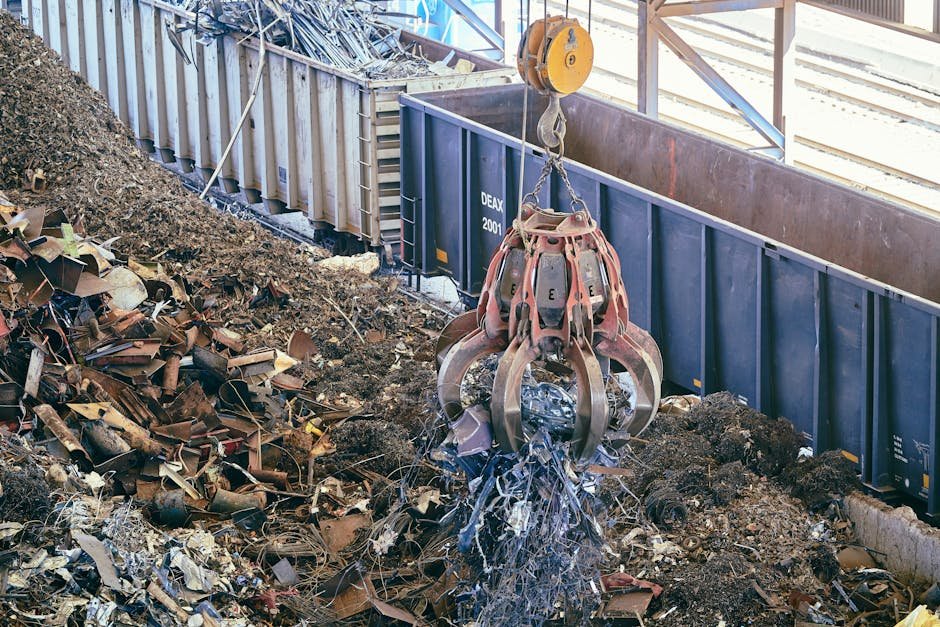

The market for industrial scrap Dubai represents a critical node in the global circular economy, bridging the gap between massive construction output and the raw material needs of international smelters. As the city continues its rapid infrastructure expansion, the volume of high-quality metallic waste generated necessitates a sophisticated approach to collection, processing, and distribution. Understanding the complexities of this market is essential for stakeholders, whether you are a local contractor or an international buyer looking to optimize your supply chain. For those operating internationally, our Industrial Scrap Buyer Guide: Australia’s Trusted Metal provides a solid foundation for comparing regional standards with global best practices.
Categorizing Industrial Scrap Grades
Successful trading in the industrial scrap Dubai market begins with an absolute mastery of metal grading. Unlike residential scrap, industrial-grade materials are often segregated at the source, resulting in higher purity levels and better market pricing. Non-ferrous metals, such as copper, aluminum, and brass, are the primary drivers of value. Copper is typically categorized into grades such as ‘Berry’ (bright, shiny wire) or ‘Candy’ (clean, unalloyed wire), both of which command premium prices. For those dealing specifically with cabling, our Industrial Cable Scrap Export Guide details the specific requirements for stripping and processing to ensure compliance with export standards.
Ferrous metals, while lower in price per ton, represent the bulk of the volume. These include structural steel, heavy machinery parts, and cast iron. The key to maximizing returns here lies in density and contamination control. A load of heavy melting scrap (HMS 1 and 2) must be free of non-metallic debris like concrete, rubber, or plastic to meet international shipping specifications. Advanced recyclers use hydraulic shears and balers to increase the bulk density of these materials, making them more cost-effective to transport across the globe. By implementing a robust Industrial Scrap Procurement Strategy Guide, firms can ensure they are consistently sourcing high-grade materials that meet the stringent requirements of modern steel mills.
The Mechanics of Industrial Recycling
The recycling process in Dubai is a highly engineered operation designed to transform raw industrial waste into high-value commodities. Upon arrival at a facility, scrap is weighed and inspected for hazardous materials, such as radioactive isotopes or pressurized vessels, which are strictly prohibited. The material is then sorted using a combination of manual labor and advanced technology. Optical sorters, X-ray fluorescence (XRF) analyzers, and magnetic separators allow facilities to distinguish between alloys with incredible precision. This technological edge is what separates top-tier operators from basic collection centers.
Once sorted, the metal undergoes mechanical processing. Copper cables are granulated to separate the plastic insulation from the metal core, while large structural beams are cut to size using industrial-grade torches or automated shears. This preparation is vital for the melting process, as it ensures the scrap can be fed directly into electric arc furnaces (EAF). For businesses looking to refine their financial performance, our Industrial Scrap Margin Optimisation Guide provides actionable insights into how processing efficiency directly impacts the bottom line. By reducing the time and energy spent on manual sorting, companies can significantly increase their throughput and profitability.
Environmental Benefits and Sustainability
The environmental impact of metal recycling is profound, particularly in a region like the Middle East where industrial growth is aggressive. Recycling aluminum, for instance, requires approximately 95% less energy than producing it from raw bauxite ore. This massive reduction in energy consumption translates directly into lower greenhouse gas emissions. By keeping industrial scrap Dubai in the loop rather than sending it to landfills, the industry prevents soil and groundwater contamination while preserving the finite natural resources of our planet.
Furthermore, the circular economy model championed by Dubai’s recycling facilities supports the UAE’s broader sustainability goals, such as the Net Zero 2050 initiative. By reclaiming steel and copper, the industry reduces the demand for mining, which is one of the most destructive industrial activities on earth. When you choose to partner with established recycling firms, you are actively participating in a system that prioritizes carbon footprint reduction. For those interested in how these practices compare to other markets, you can explore resources at Scrap Trade Australia to see how global standards for sustainability are being integrated into local operations.
Logistics and Global Export Standards
Logistics is the backbone of the industrial scrap Dubai sector. Given its strategic location, Dubai acts as a gateway between the manufacturing hubs of Asia and the resource-hungry markets of Europe and North America. Exporting scrap requires meticulous documentation, including certificates of origin, inspection reports, and compliance with the Basel Convention regarding the movement of hazardous wastes. Shipping lines often have specific requirements for scrap metal, particularly regarding the moisture content and the presence of combustible materials.
To successfully navigate these logistics, exporters must maintain strong relationships with shipping agents and port authorities. Containerization is the standard for high-value non-ferrous metals, while large-scale ferrous scrap is often shipped in bulk carriers. Proper stowage is essential to prevent shifting during transit, which can cause structural damage to the vessel or lead to safety violations. By standardizing your loading procedures and investing in high-quality packaging, you minimize the risk of cargo rejection at the destination port, which is a common pitfall for inexperienced traders.
Market Trends and Future Outlook
The market for industrial scrap is increasingly influenced by the transition toward green energy. As electric vehicles (EVs) and renewable energy infrastructure become more prevalent, the demand for high-purity copper and aluminum is skyrocketing. This shift is changing the composition of industrial scrap; we are seeing more electronic waste and specialized alloys entering the supply chain. Recyclers who adapt to these new material streams will find themselves at a significant competitive advantage. Additionally, the integration of AI and machine learning in sorting facilities is expected to drive further gains in purity, allowing for the recovery of rare earth elements from complex industrial components.
The regulatory environment is also tightening. Governments are increasingly implementing ‘Extended Producer Responsibility’ (EPR) schemes, which hold manufacturers accountable for the end-of-life disposal of their products. This will likely lead to more formalized collection channels and higher-quality scrap inputs for recyclers. Companies that stay ahead of these regulatory curves by investing in transparent, traceable recycling processes will be the ones to thrive in the coming decade. The industrial scrap Dubai market is not just about moving metal; it is about providing a high-tech, environmentally responsible service that is essential to the future of global manufacturing.
Best Practices for Scrap Management
For industrial companies generating scrap, the most effective strategy is to implement an ‘on-site segregation’ policy. By training staff to separate metals at the point of generation, companies avoid the costs associated with cross-contamination. For example, keeping copper wiring separate from steel beams can increase the value of the scrap load by up to 300%. Furthermore, utilizing dedicated, clean storage areas for scrap prevents the accumulation of dirt and moisture, which can lead to oxidation and lower the grade of the material during inspection.
Regular audits of your scrap management process are also recommended. By tracking the volume and type of scrap produced, businesses can identify inefficiencies in their production lines. If a specific manufacturing process is generating excessive offcuts, it may indicate a need for better tooling or a change in material specification. By treating scrap as a valuable raw material rather than a waste product, organizations can turn a disposal expense into a consistent revenue stream. Engaging with professional scrap buyers who offer transparent pricing models and reliable collection services is the final step in ensuring that your scrap management strategy is truly optimized for the long term.
Frequently Asked Questions
What are the most valuable types of industrial scrap in Dubai?
The most valuable materials are non-ferrous metals, specifically high-purity copper, aluminum extrusions, and brass. These metals maintain high market demand due to their infinite recyclability and lower energy requirements for processing compared to virgin ore.
How does the industrial scrap Dubai market ensure environmental compliance?
Facilities adhere to strict local environmental regulations and international standards like the Basel Convention. This includes rigorous inspection processes to prevent the trade of hazardous materials and the use of advanced equipment to minimize emissions during processing.
Why is on-site segregation important for industrial scrap?
On-site segregation prevents cross-contamination between different metal grades, which significantly increases the resale value of the scrap. It also reduces logistical costs and makes the material more attractive to high-end smelters who require specific purity levels.
How do global logistics affect the scrap metal trade?
Dubai’s strategic location allows for efficient export, but success depends on strict adherence to shipping standards, proper documentation, and moisture control. Reliable logistics ensure that scrap reaches international buyers without rejection or safety issues during transit.