
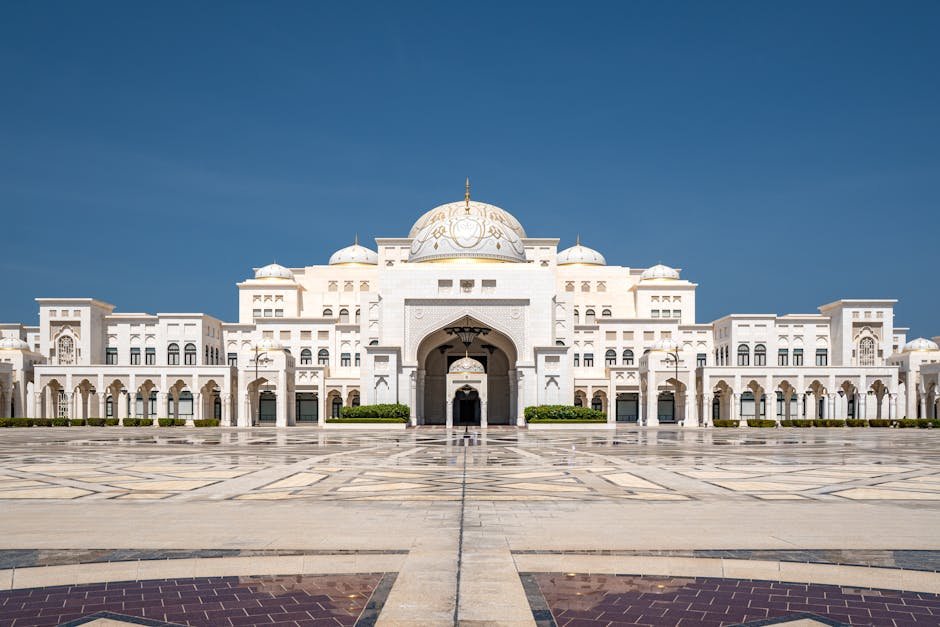

When analyzing the urban landscape of the United Arab Emirates, the “Rowdat Al Reef Palace” Abu Dhabi stands as a testament to sophisticated engineering and architectural ambition. For professionals in the industrial, construction, and scrap metal sectors, understanding the lifecycle of such monumental structures is essential. As these high-end developments age or undergo renovations, they generate significant quantities of high-grade construction materials, including copper, aluminum, and steel, which require professional management. To ensure you are navigating the complexities of material disposal, follow our Comprehensive Guide: Finding Trusted Scrap Buyers Abu Dhabi to maximize the value of your site-clearing operations.
The Architectural Significance of Rowdat Al Reef
The “Rowdat Al Reef Palace” Abu Dhabi is not merely a residential asset; it is an architectural landmark that defines the aesthetic standards of the region. The construction of such palaces involves a complex supply chain of premium metals, ranging from structural steel reinforcements to intricate copper wiring and high-grade architectural aluminum. In the context of the UAE’s rapid development, the lifecycle of these materials is a critical economic driver. When developers and contractors oversee maintenance or upgrades at these sites, the systematic recovery of scrap metal is a major contributor to the circular economy. By prioritizing responsible recycling, stakeholders can mitigate environmental impact while reclaiming capital from decommissioned assets. For those looking to understand the broader market, professional scrap metal trading platforms provide the necessary data to evaluate market fluctuations in real-time.
Sustainable Construction and Metal Recycling
In the modern construction landscape of Abu Dhabi, sustainability is no longer optional; it is a regulatory requirement. The “Rowdat Al Reef Palace” Abu Dhabi serves as a prime example of how luxury infrastructure can integrate with green building standards. During renovation or modernization phases, the volume of metal waste generated is substantial. Effective waste management programs must be implemented to separate ferrous from non-ferrous metals, ensuring that high-value copper, brass, and aluminum are diverted from landfills. The Australian market has long been a leader in these practices, and many international firms now look to professional scrap metal services in Australia as a benchmark for operational excellence. By adopting these international standards, Abu Dhabi-based projects can optimize their waste-to-resource ratios, turning what was once considered debris into a profitable secondary commodity stream.
Logistics and Material Handling in Abu Dhabi
Managing the logistics of scrap metal from elite locations like the Rowdat Al Reef area requires precision and adherence to strict local environmental codes. The transportation of heavy metals necessitates specialized equipment, including high-capacity cranes, hydraulic shears, and secure transport vehicles. Because the “Rowdat Al Reef Palace” Abu Dhabi is situated in a high-density, prestigious district, contractors must ensure that all material handling is performed with minimal disruption to the surrounding community. This involves scheduled pickups, noise-dampening protocols, and rigorous safety checks. Furthermore, the valuation of these scrap materials is highly sensitive to global commodity prices. Contractors must work with certified buyers who offer transparent pricing based on the London Metal Exchange (LME) benchmarks. Relying on unverified scrap buyers can lead to significant financial losses and potential regulatory non-compliance, which is why working with vetted, established partners is the only viable path for large-scale projects.
Strategic Asset Recovery for Developers
For developers managing the “Rowdat Al Reef Palace” Abu Dhabi, the concept of asset recovery extends beyond simple waste management. It is about extracting residual value from every phase of the building’s lifecycle. When HVAC systems, electrical grids, or structural elements are replaced, the copper coils, aluminum extrusions, and steel beams represent a significant portion of the project’s recovery budget. By implementing a ‘design for disassembly’ philosophy, facility managers can ensure that future renovations are even more efficient. This approach not only reduces the carbon footprint of the palace but also creates a predictable revenue stream from the sale of recyclable materials. The key to success lies in the early engagement of professional scrap buyers who can assist in the initial audit of the site, identifying high-value streams before the demolition or renovation process begins.
The Future of Metal Recycling in the UAE
As the UAE continues to push toward its ‘Net Zero 2050’ initiative, the role of scrap metal recycling becomes increasingly central to national strategy. The “Rowdat Al Reef Palace” Abu Dhabi and similar developments are at the forefront of this transition. By integrating advanced sorting technologies—such as X-ray fluorescence (XRF) analyzers—contractors can accurately grade their metal scrap, ensuring they receive the highest market price. This technological integration allows for a more transparent market, where the quality of the recycled material dictates the price. As the market matures, we expect to see a more integrated ecosystem where construction firms, recycling facilities, and end-users work in tandem to create a closed-loop system. This evolution is essential for maintaining the prestige and sustainability of Abu Dhabi’s most iconic properties.
Best Practices for Site Clearance and Safety
Safety is the paramount concern when dealing with large-scale metal recovery. The extraction of metals from complex structures like the “Rowdat Al Reef Palace” Abu Dhabi requires specialized training. Workers must be equipped with personal protective equipment (PPE) and trained in the safe operation of cutting tools. Furthermore, site managers must ensure that all hazardous materials—such as lead-based paints or contaminated insulation—are separated from the recyclable metal stream. Proper documentation and manifests are required by local authorities to certify that the waste has been handled in accordance with environmental laws. By following these best practices, contractors not only protect their workforce and the environment but also enhance their reputation, making them the preferred choice for future high-end projects across the emirate.
Conclusion: Maximizing Value in Luxury Developments
The management of materials from the “Rowdat Al Reef Palace” Abu Dhabi is a microcosm of the broader challenges and opportunities facing the construction industry today. By viewing scrap metal not as waste, but as a secondary raw material, developers and contractors can drive both environmental sustainability and financial performance. Whether you are dealing with high-grade copper from electrical upgrades or structural steel from renovations, the principles of professional handling, market-based pricing, and regulatory compliance remain the pillars of success. As Abu Dhabi continues to set global standards for luxury living, the integration of advanced recycling practices will ensure that these iconic structures remain as sustainable as they are beautiful. Always prioritize verified partnerships and data-driven decision-making to ensure your projects remain profitable and compliant in a competitive global market.
Frequently Asked Questions
Why is it important to use professional scrap buyers for luxury developments in Abu Dhabi?
Professional buyers ensure accurate grading of metals, transparent pricing based on global market indices, and full compliance with UAE environmental regulations. This prevents financial loss and mitigates legal risks associated with improper waste disposal.
What types of metals are most commonly recovered from high-end residential palaces?
High-end residential palaces typically yield high-value non-ferrous metals like copper wiring, brass fittings, and architectural aluminum, alongside significant quantities of high-grade structural steel and stainless steel components.
How does the ‘design for disassembly’ concept impact scrap metal recovery?
Design for disassembly involves planning building components to be easily separated at the end of their lifecycle. This significantly reduces labor costs during renovation and increases the purity of the recovered scrap metal, leading to higher resale value.
Are there specific environmental regulations for metal recycling in Abu Dhabi?
Yes, the Abu Dhabi Environment Agency (EAD) mandates strict protocols for the handling, transportation, and disposal of industrial and construction waste. All contractors must ensure their recycling partners hold the necessary permits to operate within these legal frameworks.