
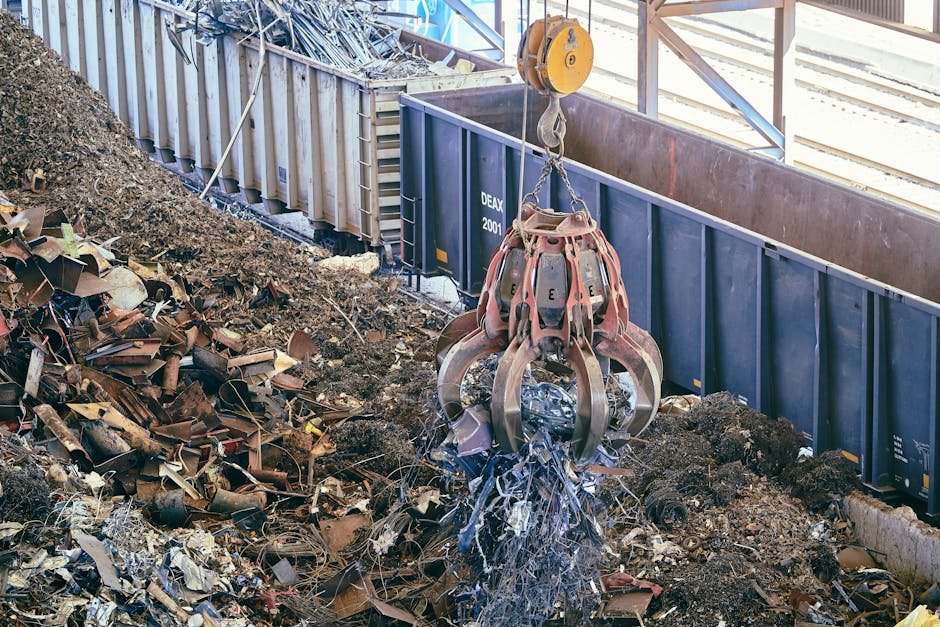

The landscape of metal scrap trading Middle East markets has evolved from a fragmented collection of local yards into a sophisticated, interconnected global network. As the region pivots toward economic diversification, the recycling of ferrous and non-ferrous metals has become a cornerstone of sustainable industrial policy. Whether you are a local supplier or an international buyer, understanding the nuances of this market is vital for operational success. For those looking to streamline their operations, Scrapuncle Your Go To Platform For Scrap Metal Trading offers the digital infrastructure needed to navigate these complexities. The integration of technology into traditional trading models is not merely a convenience; it is a necessity for maintaining competitive margins in a volatile commodity environment.
Understanding Metal Grades in the Middle East
In the Middle East, scrap metal is classified based on international standards such as the ISRI (Institute of Scrap Recycling Industries) guidelines, though regional variations often apply due to specific local industrial outputs. Ferrous scrap, which includes iron and steel, is categorized by thickness, chemical composition, and contamination levels. Heavy Melting Steel (HMS 1 and 2) remains the most traded grade, serving as the primary feedstock for electric arc furnaces across the region and beyond. For non-ferrous metals, the focus shifts to purity levels in copper, aluminum, and brass. Copper grades, ranging from ‘Berry’ (bright and shiny) to ‘Candy’ (heavy copper), command the highest prices and require stringent quality control. Aluminum scrap, often sourced from construction and automotive sectors, is graded based on its alloy content and the presence of attachments like plastic or steel bolts. Achieving high-grade purity is the difference between a profitable shipment and a rejected load. Traders often leverage platforms like the leading global scrap trading marketplace to verify specifications before initiating cross-border transactions. Proper grading is not just about sorting; it is about understanding the metallurgy that makes the material valuable to the end-user, whether they are a local foundry or an overseas smelter.
The Mechanics of Scrap Recycling Processes
The recycling process in the Middle East is a multi-stage operation that transforms raw scrap into high-value secondary raw materials. It begins with collection and segregation, where advanced machinery, including magnetic separators and eddy current sorters, is employed to isolate ferrous metals from non-ferrous materials. Once segregated, the scrap undergoes size reduction through shredding, shearing, or baling. Shredding is particularly critical, as it breaks down bulky items like end-of-life vehicles into manageable fragments, allowing for the removal of non-metallic contaminants. After processing, the material is cleaned and often smelted into ingots or billets, which are then sold to manufacturers. This closed-loop system is essential for the Scrap Trade Between Middle East And Asia, where high-quality secondary aluminum and copper are exported to support the manufacturing hubs of the East. The efficiency of this process is heavily reliant on the infrastructure of local facilities. For instance, Mohawk Scrap Yard Your Go To Destination For Scrap Metal Trading exemplifies the standard of operations required to maintain high throughput and consistent quality. By investing in automated sorting technologies, regional players are reducing the labor-intensive nature of manual picking and significantly increasing the purity of their output, which in turn commands higher market prices.
Environmental Benefits and Sustainability
The environmental impact of metal recycling is profound, particularly in a region as energy-intensive as the Middle East. Recycling aluminum, for example, requires up to 95% less energy than producing primary aluminum from bauxite ore. This energy saving translates directly into a massive reduction in greenhouse gas emissions. Furthermore, metal recycling mitigates the need for destructive mining operations, preserving natural landscapes and water resources. As governments in the Middle East implement stricter environmental regulations and ESG (Environmental, Social, and Governance) targets, the importance of a formalized recycling sector grows. By diverting millions of tons of metal from landfills, the scrap industry plays a pivotal role in the region’s transition to a circular economy. This shift is supported by resources like professional scrap trading services in Australia, which provide a global benchmark for sustainable waste management practices that Middle Eastern firms are increasingly adopting. The economic incentive of recycling aligns perfectly with the environmental imperative; as carbon taxes and sustainability reporting become standard, companies that prioritize recycled feedstock will gain a distinct competitive advantage. The reduction in water consumption and the prevention of toxic runoff from landfills are additional benefits that highlight the critical nature of this industry in arid environments.
Logistics and Global Market Dynamics
Logistics remains the lifeblood of the metal scrap trading Middle East sector. Given the geographic location of the region—bridging the gap between European, Asian, and African markets—the ability to manage complex supply chains is paramount. Port infrastructure in the UAE, Saudi Arabia, and Qatar has been significantly upgraded to handle the massive volumes of scrap metal moving through these hubs. However, the volatility of shipping rates and the complexity of international trade regulations require traders to be highly agile. Digital tools are now essential for tracking shipments, managing documentation, and ensuring compliance with international trade laws like the Basel Convention. For detailed insights on market fluctuations, traders frequently refer to Online Scrap Metal Trading: Grades, Recycling & Benefits in the modern era. This guide provides the foundational knowledge required to manage risks associated with currency fluctuations and commodity price volatility. Successful traders in this region often employ a diversified strategy, selling to both local steel mills and international markets to hedge against regional demand drops. The integration of blockchain technology for supply chain transparency is also emerging as a trend, allowing buyers to verify the origin and quality of the scrap before it even arrives at the port, thereby reducing the risk of disputes and increasing trust in the global trading network.
The Future of the Industry: Innovation and Automation
Looking ahead, the metal scrap industry in the Middle East is poised for a technological revolution. Artificial Intelligence (AI) and robotics are being integrated into sorting lines to identify metal alloys in real-time, far surpassing the speed and accuracy of human workers. These innovations are critical for handling the complex, mixed-material waste streams generated by modern urban development. Furthermore, the push for ‘Green Steel’—steel produced using renewable energy and recycled scrap—is creating new demand for high-purity scrap grades. Middle Eastern steel producers are beginning to invest in hydrogen-based direct reduced iron (DRI) processes, which will require a steady, high-quality supply of scrap to remain efficient. This shift necessitates a closer collaboration between scrap collectors and steel manufacturers to ensure that the scrap provided meets the specific metallurgical requirements of the new technology. As the industry moves toward a more digital and automated future, the role of data analytics in predicting price trends and demand shifts will become increasingly important. Companies that embrace these changes will be the ones to define the next decade of growth in the region. The transition is not just about hardware; it is about building a culture of transparency, quality, and environmental stewardship that will attract global investment and solidify the Middle East’s position as a vital node in the world’s metal supply chain.
Strategic Considerations for New Entrants
For those entering the metal scrap trading Middle East market, the barriers to entry can be significant, but the rewards are substantial for those who approach it with a strategic mindset. First, establishing strong relationships with local suppliers is essential; the best scrap is often sourced through long-term contracts with industrial manufacturers, construction firms, and demolition companies. Second, regulatory compliance is non-negotiable. Traders must ensure they have the necessary permits for handling, storing, and exporting hazardous and non-hazardous scrap. Third, investing in quality control equipment—such as handheld XRF (X-ray fluorescence) analyzers—is mandatory to verify material grades on-site. Fourth, financial stability is key; the scrap business is cash-intensive, and having access to credit lines to manage the gap between payment to suppliers and receipt from buyers is critical. Finally, staying informed through industry associations and digital platforms is vital. The market is dynamic, and information moves quickly. By focusing on building a reputation for reliability and quality, new entrants can carve out a niche in this competitive market. Whether dealing in bulk ferrous scrap or niche non-ferrous alloys, the principles of success remain the same: maintain high purity standards, optimize your logistics, and leverage technology to stay ahead of the curve.
Frequently Asked Questions
What are the most common grades of scrap metal traded in the Middle East?
The most common grades include Heavy Melting Steel (HMS 1 and 2) for ferrous scrap, and various copper grades like ‘Berry’ and ‘Candy’ for non-ferrous. Aluminum scrap, particularly from construction and automotive sources, is also highly traded.
How does the recycling process benefit the Middle Eastern environment?
Recycling reduces the energy consumption required for primary metal production by up to 95% and prevents millions of tons of waste from entering landfills. It also conserves natural resources by reducing the demand for raw mining activities.
Why is technology important in modern metal scrap trading?
Technology, including AI-driven sorting and online trading platforms, increases the accuracy of grading and improves supply chain transparency. These tools help traders manage price volatility, reduce contamination, and ensure compliance with global trade standards.
What role does the Middle East play in the global scrap metal supply chain?
The Middle East acts as a critical transit and processing hub, bridging the supply chains between Europe, Asia, and Africa. Its strategic port infrastructure and growing industrial sector make it a key player in the global circular economy.