
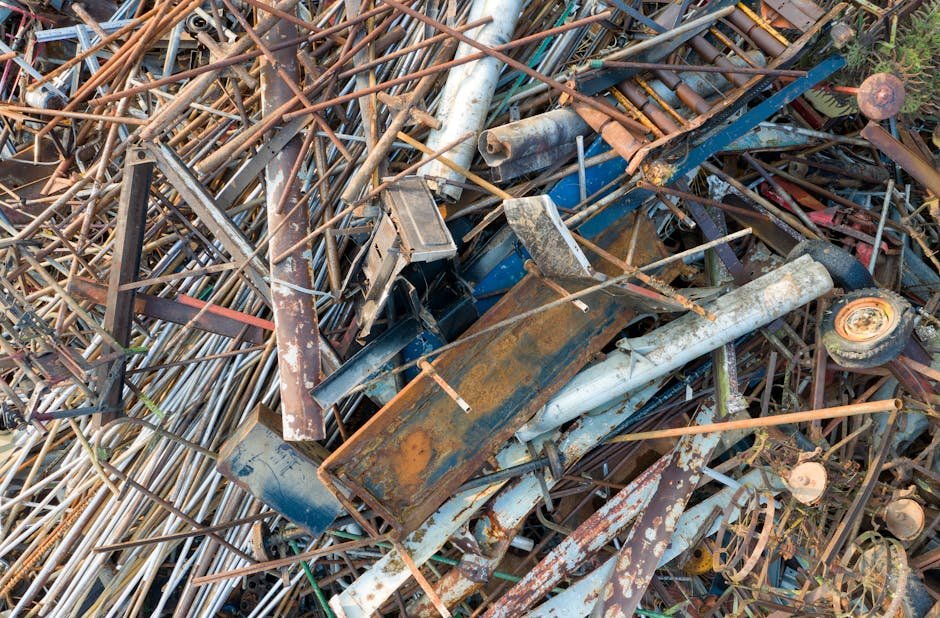

Navigating the complex landscape of scrap metal prices UAE requires a deep understanding of both global commodity trends and hyper-local industrial demand. As the UAE continues to position itself as a global hub for circular economy initiatives, the scrap industry has evolved from a fragmented informal sector into a sophisticated, highly regulated market. Investors, demolition contractors, and industrial facility managers must recognize that scrap metal prices UAE are rarely static; they are dynamic figures influenced by the LME, shipping freight costs, and the specific metallurgical composition of the material. Whether you are dealing with high-grade copper wiring or bulk structural steel, understanding the underlying value drivers is essential for optimizing your revenue. For those looking to compare regional standards, our Ultimate Guide to scrap metal prices in Australia provides a valuable benchmark for global market behavior. Much like the Australian market, the UAE relies heavily on international export parity, making it vital to track scrap metal prices UAE in real-time to avoid selling at a loss.
The Mechanics of Metal Valuation: How Prices Are Set
The pricing of scrap metal in the UAE is not an arbitrary process; it is a calculated derivation of global commodity exchange rates. At the core of every transaction are the London Metal Exchange (LME) and the COMEX, which dictate the base price for refined metals. Local scrap dealers then apply a series of deductions and premiums to arrive at the price per kg offered to the seller. These deductions account for processing, sorting, labor, transportation, and the inevitable loss of material during the smelting process. When you search for Scrap Metal Prices, you are essentially looking at the ‘street price,’ which is the LME price minus the dealer’s margin and operating costs. The UAE’s unique position as a transit hub means that shipping logistics play a disproportionately large role in pricing. If container freight rates rise, local scrap buyers often lower their purchase prices to maintain their profit margins. Furthermore, the grade of the metal is the most significant internal factor. For instance, ‘bright shiny’ copper fetches a premium over ‘burnt’ or ‘insulated’ copper because the latter requires additional energy and chemical processing to reach a pure state. To find the best local rates, it is helpful to use tools that identify the Best Scrap Metal Prices Near Me, ensuring you are not leaving money on the table due to inefficient local competition.
Factors Influencing Market Volatility
Several macroeconomic and microeconomic variables cause the daily fluctuation of metal prices today. Firstly, industrial demand within the UAE—specifically from the construction and infrastructure sectors—is a primary driver. During periods of intense infrastructure development, such as the expansion of the Dubai Metro or major residential projects, the demand for structural steel and aluminum skyrockets, pushing prices upward. Secondly, the strength of the US Dollar, to which the UAE Dirham is pegged, significantly impacts the purchasing power of international buyers. When the dollar is strong, the cost of exporting scrap from the UAE to major manufacturing hubs like India, China, or Turkey becomes more expensive, which can depress local prices. Thirdly, environmental regulations and the shift toward ‘Green Steel’ have incentivized the use of recycled scrap over virgin ore. This structural shift in global manufacturing is creating a long-term floor for scrap prices, as steel mills are increasingly reliant on high-quality scrap inputs to meet carbon emission targets. When assessing your options, it is wise to research Scrap Metal Prices Near Me to understand how localized competition affects your specific region. We recommend visiting Scrap Trade for additional resources on global trade standards, or if you have interests in the Oceania region, explore Scrap Trade Australia for context on how advanced economies manage scrap logistics.
Categorizing Scrap: A Guide to Metal Grades
To maximize your return, you must understand the grading system. Metals are categorized by their chemical purity, contamination levels, and physical form. Non-ferrous metals, which include copper, aluminum, brass, and lead, generally trade at significantly higher prices than ferrous metals like iron and steel due to their scarcity and higher recycling value. Copper, for example, is graded into categories such as ‘Millberry’ (clean, bright copper wire) and ‘Candy’ (copper wire with insulation). The cleaner the material, the higher the price per kg. Ferrous metals, while lower in value per unit, are traded in massive volumes. Structural steel, heavy melting steel (HMS), and light iron are the most common grades. The key to effective trading is segregation. Mixing grades—such as tossing brass fittings into a pile of copper—will result in the entire batch being downgraded to the lowest common denominator, costing you significant profit. Professional scrap yards in the UAE use advanced X-ray fluorescence (XRF) analyzers to determine the exact alloy composition of scrap metal, ensuring that you are paid for the actual value of the material rather than an estimate. Always ensure your scrap is free from non-metallic contaminants like plastic, wood, or dirt, as these are deducted from the total weight before the final payout is calculated.
The Recycling Lifecycle: From Scrap to Commodity
The journey of a piece of scrap metal from a demolition site to a new product is a testament to the efficiency of the modern circular economy. Once scrap is collected, it undergoes a rigorous process of collection, sorting, processing, and melting. In the UAE, specialized facilities utilize industrial-grade shredders, magnetic separators, and eddy current separators to sort ferrous from non-ferrous materials automatically. Magnetic separators are highly effective at pulling iron and steel from a mixed pile, while eddy current separators use magnetic fields to repel non-ferrous metals like aluminum and copper, effectively separating them from the waste stream. After sorting, the metal is often baled or compacted to reduce volume for shipping. The final stage is smelting, where the scrap is melted in an electric arc furnace (EAF). The EAF process is significantly more energy-efficient than producing metal from raw ore. By recycling steel, for example, manufacturers reduce energy consumption by up to 75% compared to traditional blast furnace methods. This is why the demand for ‘clean scrap’ is at an all-time high; it is the most efficient raw material for the modern, low-carbon manufacturing industry.
Environmental Benefits and Sustainability
The environmental impact of recycling scrap metal is profound. Every kilogram of recycled aluminum saves approximately 8 kilograms of CO2 emissions compared to primary production. By diverting metal from landfills, the UAE is not only preserving its limited land resources but also significantly reducing the carbon footprint of its industrial sector. Furthermore, the mining of virgin metals is an incredibly resource-intensive process that involves habitat destruction, water pollution, and massive energy consumption. By participating in the scrap market, businesses and individuals are directly contributing to a more sustainable future. The UAE’s commitment to the ‘Net Zero 2050’ initiative has further accelerated the importance of the scrap industry, as the government incentivizes companies to adopt circular economy practices. When you choose to recycle, you are not just clearing out a workspace; you are participating in a global supply chain that reduces the need for destructive mining and lowers the overall environmental burden of industrialization.
Strategic Tips for Sellers in the UAE
To get the most out of your scrap, treat your metal like a commodity. First, store your scrap in a dry, covered area. Corrosion and oxidation can significantly reduce the value of non-ferrous metals like copper and aluminum. Second, build a relationship with a reputable, licensed scrap yard. Consistency in the quality of your scrap will often lead to better ‘relationship pricing’ from yard managers. Third, keep track of market trends. If you have a large volume of scrap, do not dump it all at once during a market dip. If possible, hold your stock until the market rate shows signs of recovery. Fourth, always negotiate based on volume. Large, sorted loads are much easier for a yard to process and sell, and they are usually willing to pay a premium for the convenience. Finally, ensure you have the proper documentation for your scrap, especially if it is industrial waste. The UAE has stringent regulations regarding the disposal of hazardous or industrial materials, and being compliant will save you from potential fines and ensure your scrap is accepted by top-tier facilities. By applying these strategies, you can transform your scrap pile into a consistent revenue stream while supporting the UAE’s transition to a greener, more sustainable economy.
Conclusion: The Future of the UAE Scrap Industry
The scrap metal industry in the UAE is poised for significant growth as the region continues to prioritize sustainability and industrial efficiency. As technology advances, the ability to sort and process complex alloys will become even more precise, further increasing the value of recycled materials. Market participants who educate themselves on the nuances of grading, global price drivers, and the benefits of circularity will be the ones to thrive. Whether you are a small business owner or a large-scale industrial operator, the principles of professional scrap management remain the same: sort, store, and sell at the right time. By staying informed on scrap metal prices UAE and leveraging the expertise of established industry players, you can ensure that your scrap metal assets are managed with the precision and profitability they deserve. The shift toward a circular economy is not just a trend; it is the future of industrial production, and your participation in the scrap market is a vital component of this global transition.
Related: Scrap Metal Prices
Frequently Asked Questions
How often do scrap metal prices change in the UAE?
Scrap metal prices in the UAE are highly volatile and can fluctuate daily. They are primarily driven by real-time changes in global commodity exchanges like the LME and local supply-demand dynamics.
What is the most valuable type of scrap metal?
Non-ferrous metals like copper, brass, and aluminum typically fetch the highest prices per kg. Among these, clean, high-purity copper is almost always the most valuable due to its high demand in electrical and construction applications.
Does the purity of my scrap metal affect the price?
Yes, purity is the single most important factor in pricing. Contaminants like plastic insulation, paint, or dirt reduce the value because they must be removed, which adds significant processing costs for the recycling facility.
Why should I sell to a licensed scrap yard?
Selling to a licensed yard ensures you receive fair market value based on accurate, calibrated scales and industry-standard grading. It also ensures compliance with UAE environmental regulations regarding waste disposal and documentation.