

Understanding the current scrap iron price per kg is the cornerstone of a profitable metal recycling strategy. Whether you are a demolition contractor, a workshop owner, or a scrap metal collector, navigating the volatile ferrous market requires more than just checking a local yard’s display board. The price you receive is a reflection of a complex global supply chain that balances industrial manufacturing needs with the availability of recycled raw materials. As we look at the 2026 price for scrap iron in Australia – rates, grades & guide, it becomes clear that preparation is the primary driver of profit. By understanding how your scrap is graded and how market forces dictate value, you can transform waste into a significant revenue stream.
The Mechanics of Market Rates and Pricing
The scrap iron price per kg is not a static figure; it is a dynamic valuation determined by the intersection of global steel production and local logistics. At the macro level, the price of ferrous scrap is heavily influenced by the cost of iron ore and the demand from major steel-producing nations, particularly China and India. When global steel mills are running at high capacity, the demand for high-quality ferrous scrap rises, pushing prices upward.
Locally, Australian scrap yards must account for the cost of collection, processing, and transportation. If you are looking to optimize your returns, you must understand How To Price Scrap For Export Markets, as large-scale price shifts often originate from international bulk orders. Yard operators subtract their operational overhead—including equipment maintenance, labor, and energy costs—from the global market rate to arrive at the price they offer you. This is why prices can vary significantly between a remote regional yard and a high-volume metropolitan processing facility.
Furthermore, metal prices today are influenced by the Australian Dollar (AUD) exchange rate. Since most international steel transactions are settled in USD, a weaker Australian dollar can sometimes buffer against falling global commodity prices, keeping local returns stable. Conversely, a strong dollar might make exported scrap less competitive, leading to lower domestic buying prices. Savvy traders keep a close eye on these currency fluctuations to time their sales effectively.
Categorizing Ferrous Scrap: Grades and Their Value
Not all iron is created equal. To maximize your profit, you must distinguish between the various grades of ferrous scrap. The industry generally categorizes scrap based on density, size, and contamination levels. High-quality, clean steel fetches a premium, while rusted, mixed, or contaminated loads are often downgraded to ‘light iron’ or ‘shred,’ which commands a lower price.
Heavy Melting Steel (HMS) is the gold standard for ferrous recycling. HMS 1 and 2 are thick, clean pieces of structural steel, such as I-beams, heavy plate, and rail sections. Because these materials are easy to melt and have a high recovery rate, they are highly sought after by steel mills. If your scrap contains significant amounts of cast iron, it is often treated as a separate category. Cast iron is brittle and has a different carbon content, requiring specific handling during the melting process. Understanding these distinctions is as vital as knowing the nuances of Stainless Steel Scrap Price, which, despite being a ferrous alloy, follows an entirely different economic cycle due to its nickel and chromium content.
Contamination is the silent killer of profit. Non-ferrous attachments—such as copper wiring, brass fittings, or aluminum housings—should be removed before selling your iron. While a small amount of contamination is sometimes tolerated, excessive non-ferrous material will result in your load being downgraded to ‘mixed iron’ or ‘shred,’ significantly reducing the scrap iron price per kg you receive. Always aim to deliver ‘prepared’ scrap, which means cutting large items into manageable sizes that fit easily into the yard’s shears or shredders.
The Recycling Process: From Yard to Steel Mill
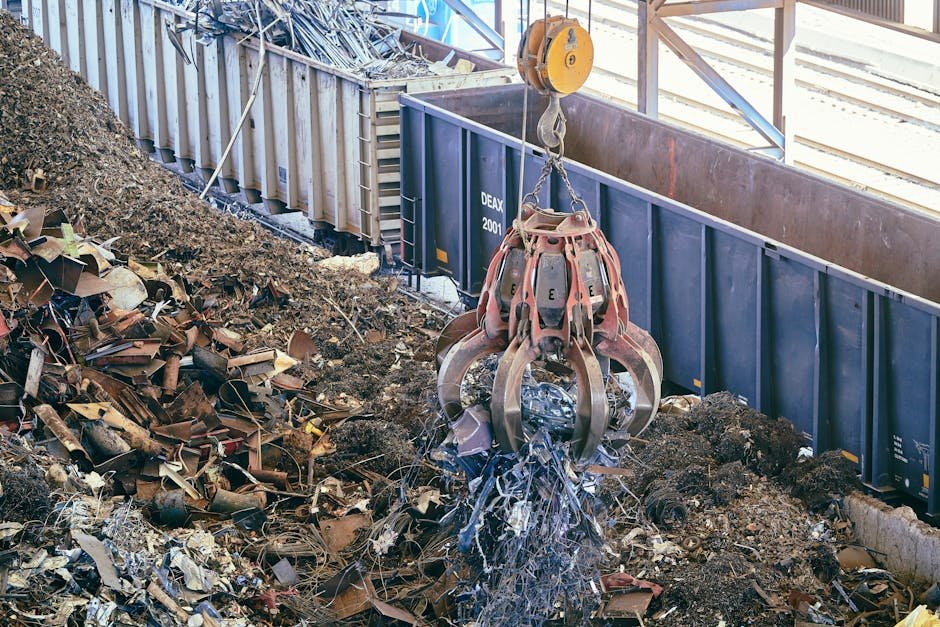
Recycling ferrous scrap is a highly efficient industrial process that saves enormous amounts of energy compared to producing new steel from iron ore. Once you deliver your scrap to a professional scrap metal recycler, the journey to becoming a new product begins. The yard first sorts the material using magnets to separate ferrous metals from non-ferrous contaminants. Large-scale yards use massive hydraulic shears to cut structural steel into standard sizes, while shredders break down smaller items like car bodies and household appliances into fist-sized chunks.
After processing, the scrap is sorted by density and chemical composition. This is where the value-add happens. High-grade scrap is separated for direct use in electric arc furnaces (EAFs), while lower-grade material may be processed through a magnetic separator to remove any remaining non-metallic debris. The refined scrap is then baled or loaded into bulk containers for transport to steel mills or export terminals. By participating in this loop, you are not just making money; you are contributing to a circular economy that reduces the need for environmentally destructive open-pit mining.
If you are exploring other materials, it is worth comparing these processes to those found in Aluminum Scrap Price In 2026, where the recycling process is even more energy-efficient, as aluminum can be recycled indefinitely without losing its structural properties. Iron, while slightly more complex to process, remains the backbone of the global recycling industry due to its sheer volume and critical importance to infrastructure.
Environmental Benefits and Sustainability
The environmental impact of recycling scrap iron is staggering. Producing steel from recycled scrap requires up to 75% less energy than producing it from virgin iron ore. This reduction in energy consumption directly translates to lower greenhouse gas emissions, as steel manufacturing is traditionally one of the most carbon-intensive industries on the planet. Furthermore, recycling one tonne of steel saves approximately 1,100 kilograms of iron ore, 630 kilograms of coal, and 55 kilograms of limestone.
Beyond energy savings, recycling prevents millions of tonnes of industrial waste from ending up in landfills. Abandoned vehicles, old appliances, and construction debris are not just eyesores; they are valuable resources that, if left to degrade, can leach chemicals into the soil and groundwater. By choosing to recycle, you are actively participating in a system that conserves natural resources and protects the Australian ecosystem. The industry is increasingly moving toward ‘green steel’ initiatives, where manufacturers prioritize scrap-based production to meet carbon neutrality targets, further cementing the long-term demand for your recycled materials.
Strategic Tips for Maximizing Returns
To consistently get the best scrap iron price per kg, you must treat your scrap collection as a business. First, maintain a clean inventory. Segregating your metals—keeping cast iron away from light sheet metal and removing plastic or rubber attachments—will always yield a higher price than selling a ‘mixed’ load. Yard managers prefer clean, sorted loads because they require less labor to process, and they are often willing to pay a premium for the convenience.
Second, build a relationship with your local yard. If you are a regular supplier, you are more likely to receive preferential pricing or access to better logistics support, such as skip bin drop-offs and timely pickups. Don’t be afraid to ask for a price quote for large volumes; yards operate on thin margins and high turnover, so they are often willing to negotiate for consistent, high-quality supply.
Third, monitor the market trends. Use industry resources like Scrap Trade to stay informed on global price movements. If you see a trend of rising steel prices, it might be worth holding onto your inventory for a few weeks to see if local rates catch up. Conversely, if the market is trending downward, it is better to clear your yard quickly to mitigate the risk of further price drops. Always remember that volume is your friend; the more you can consolidate your scrap, the more leverage you have to negotiate.
Future Trends in the Australian Scrap Industry
The future of the Australian scrap market is tied to the global transition toward sustainable manufacturing. As international regulations on carbon emissions tighten, the demand for recycled scrap as a raw material will only increase. We are seeing a shift toward more sophisticated sorting technologies, such as X-ray fluorescence (XRF) and advanced optical sensors, which allow yards to identify and separate metal alloys with unprecedented precision. This means that in the future, the difference in price between high-grade and low-grade scrap will likely widen, rewarding those who take the time to properly sort their materials.
Furthermore, the growth of the electric vehicle (EV) market and renewable energy infrastructure will create new streams of scrap, particularly in specialized steel and electrical components. Staying ahead of these shifts will allow you to position yourself as a key supplier in the changing industrial landscape. By leveraging the information available in our comprehensive guides, you can ensure that you are not just a participant in the market, but an informed trader who maximizes every kilogram of scrap you handle. The market rewards those who are prepared, organized, and aware of the global forces at play.
Related: 2026 price for scrap iron in Australia – rates, grades & guide
Frequently Asked Questions
What is the primary factor that causes scrap iron prices to fluctuate?
The primary factor is global demand for steel, which is driven by industrial manufacturing and construction activity. When steel mills are busy, they require more scrap, which drives up the price per kg.
Does the quality of the iron affect the price I receive?
Yes, significantly. Clean, heavy structural steel (like beams or plate) commands a higher price than rusted, thin, or contaminated scrap, which is often classified as ‘shred’ or ‘light iron’.
Should I remove non-ferrous attachments from my iron scrap?
Absolutely. Removing plastic, rubber, or non-ferrous metals like copper and aluminum increases the purity of your load, which helps you avoid being downgraded to a lower price bracket.
How often do scrap metal prices change in Australia?
Scrap prices can change weekly or even daily, depending on international commodity market movements and the Australian dollar’s performance against the US dollar.